



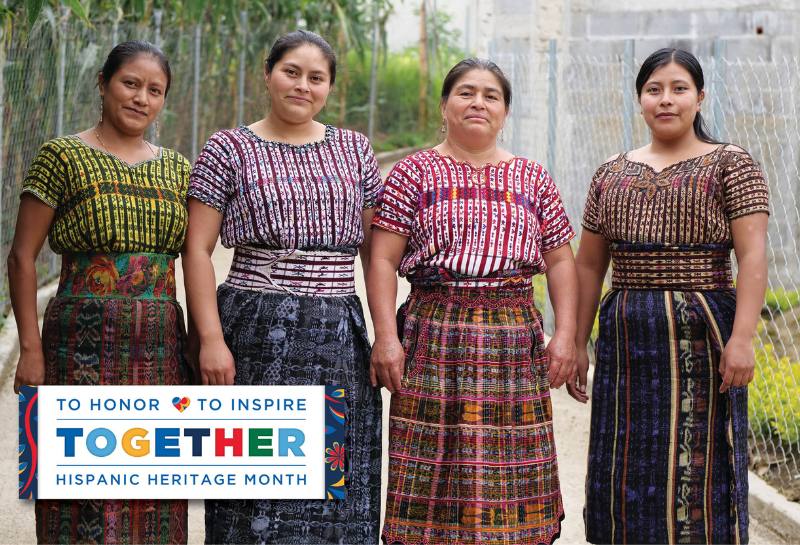
During National Hispanic Heritage Month 2025, Food For The Poor is proud to spotlight Hispanic team members who share our mission of helping people living in extreme poverty in Latin America and the Caribbean.
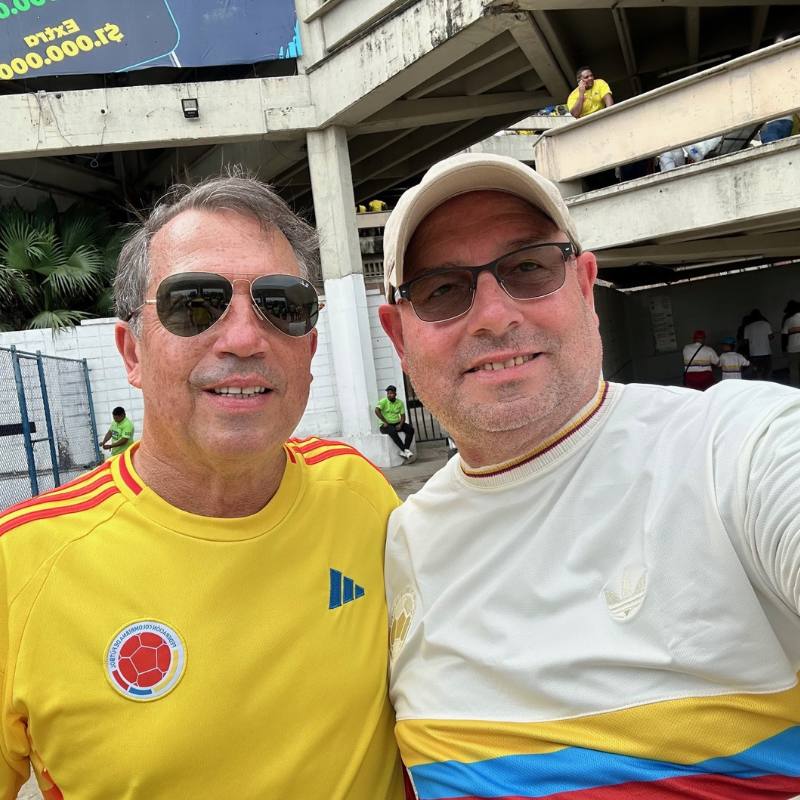
Javier Ramirez: Honoring His Heritage Through Heartfelt Generosity
Javier Ramirez’s outlook on life was shaped to a great extent by his father’s diplomatic career.
“I’ve had the great pleasure of experiencing different cultures,” he said. “What I’ve come to realize is that we are more similar than different.”
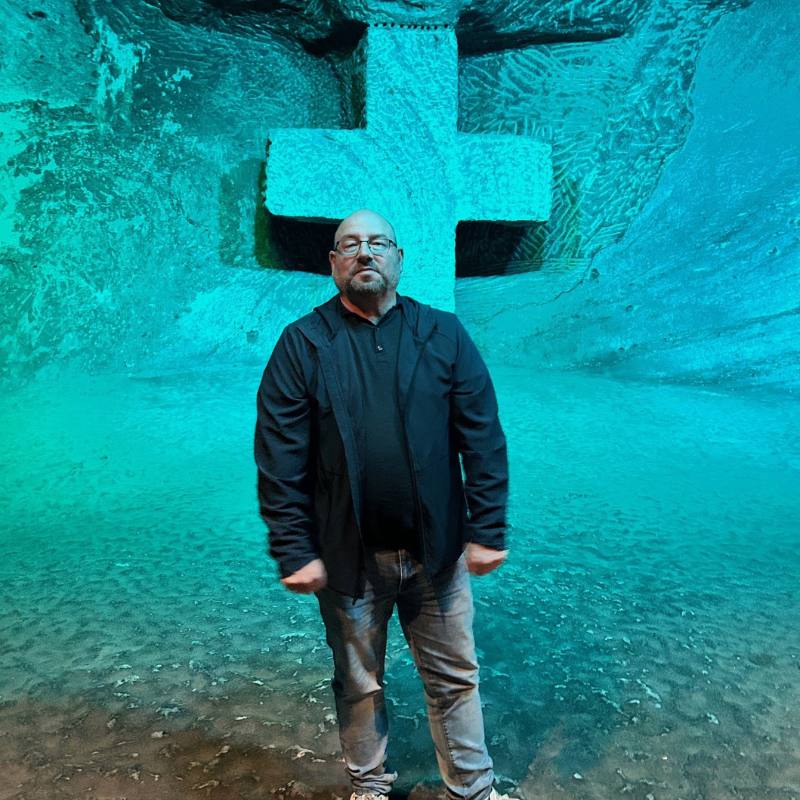
Born in Colombia, Javier moved with his family to the United States when he was 8 months old after his father, Victor Ramirez, took a position at the Colombian Embassy in Boston, Mass. His father’s diplomatic assignments brought the family back to Colombia, later to Honduras, and finally to Jamaica, where Javier spent his formative years and graduated from high school.
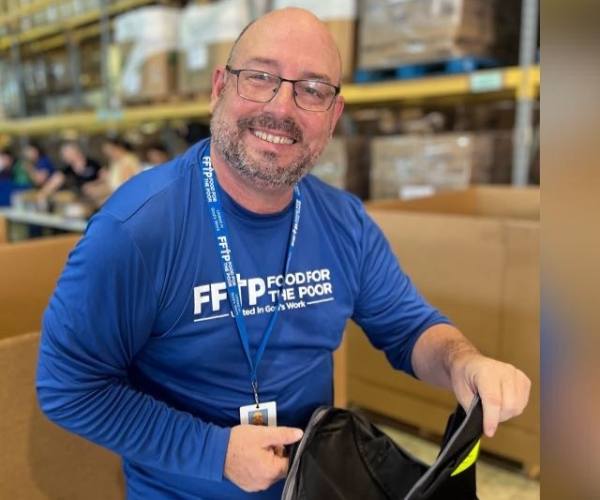
Today, Javier is Senior Director of Procurement & Fulfillment/Gifts In Kind at Food For The Poor (FFTP), where he has worked for nearly two decades. A graduate of Barry University in Miami, Fla., one of Javier’s first jobs was as a loss control agent for a car rental company.
“I was basically the police,” he said. “I was the one who would go after vehicles that were either stolen or damaged. It was stressful.”
A chance encounter with a friend from Jamaica who worked for FFTP in its Coconut Creek, Fla., headquarters set Javier on a different path. Already familiar with the charity and its mission from his time growing up in Jamaica, he began to see working at FFTP as an opportunity to do something impactful.
“To serve the poor,” he said. “It really brought new meaning to my life.”
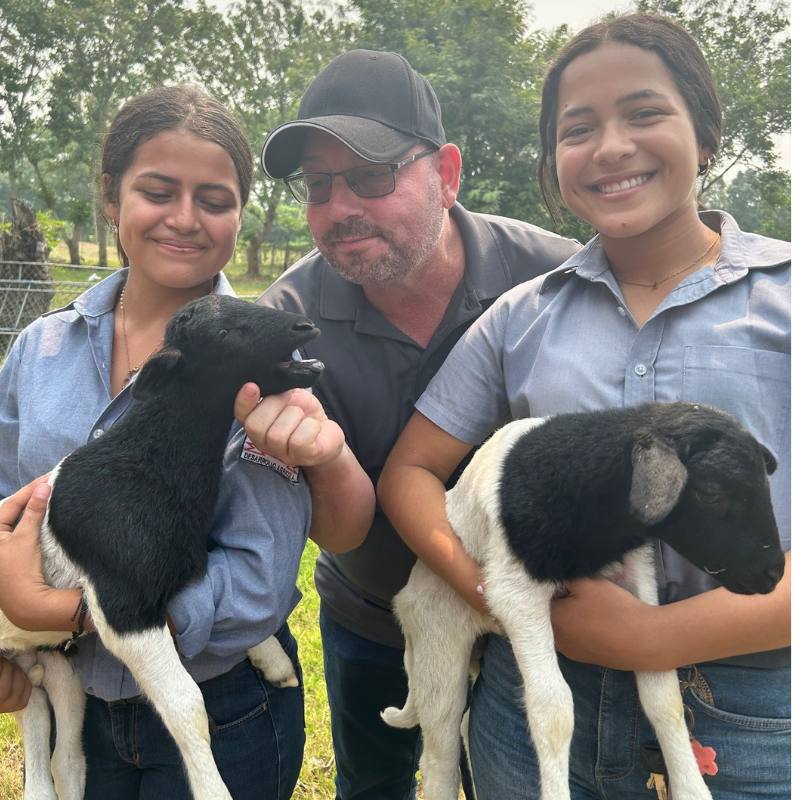
About ten years into his time at FFTP, Javier introduced the charity to the idea of working in Colombia. Though he hadn’t been there in years, he wanted to make a difference in the country of his birth. He describes the conditions in a community called La Guajira, where indigenous families live in makeshift tents and struggle to survive.
“Some areas are devastatingly poor,” he said.
Just as bringing change to vulnerable children and families in countries across Latin America and the Caribbean is important to him, cultural preservation is also essential. Javier keeps Colombian traditions alive with his children by celebrating holidays like Three Kings Day to ensure they maintain a connection to their heritage.
“The tradition in my family is that I had to put my shoes outside our door, and the Three Kings would bring me money,” Javier said. “My dad did this for me even when I was an adult.”
He continues the tradition with his children, including his adult sons.
“I do it remotely,” he said. “I send them a message and ask them to put out their shoes and send me a picture.”
Food is also a cultural touchpoint.
“In Colombia, one of my favorite foods is called tamal – cornmeal with chicken and pork and beef and vegetables. It’s really like a potluck stuffed in a plantain leaf,” he said. “I’ve discovered that almost every country has its own version of tamal – Mexico, Honduras, Venezuela, and Trinidad each have a unique take, but the essence remains the same. Food is a universal language. It brings people together, helps us understand each other, and celebrates our shared humanity.”


Javier’s sense of identity and generosity stems from his father’s influence.
“My father always reminded me to never forget where I came from,” he said. “Because of his emphasis on generosity, I’ve always understood the difference between having privilege and being poor. He always said you must never forget the people who are less fortunate.”
That philosophy guides Javier’s work at FFTP.
“I’ve been very privileged in my work at Food For The Poor,” he said. “I’ve done extensive traveling to all the countries we serve. When you actually see the results of our work, it gives you such a sense of pride. Not pride in what I’ve done, but what we can do together.”
Rooted in Compassion and Resilience: Natalia Aguero Toro’s Life in Honduras
Natalia Aguero Toro’s professional inspiration to help others came from an extraordinary woman, Sor Maria Rosa, founder of Sociedad Amigos de los Niños (A Children’s Home Organization), a network of homes for at-risk children in Honduras.
After graduating from Universidad Tecnológica Centroamericana (Central American Technological University) Natalia worked as an administrative assistant at Sociedad Amigos de los Niños, helping with translations, designing brochures, and other tasks. She visited children’s homes and learned about the heartbreaking stories that brought the children there. Through it all, she was deeply moved by Sor Maria Rosa’s unwavering dedication to the children’s welfare.
“She was a great inspiration and not just for me – I’m sure for many people,” Natalia said. “I loved being part of something that’s bigger.”
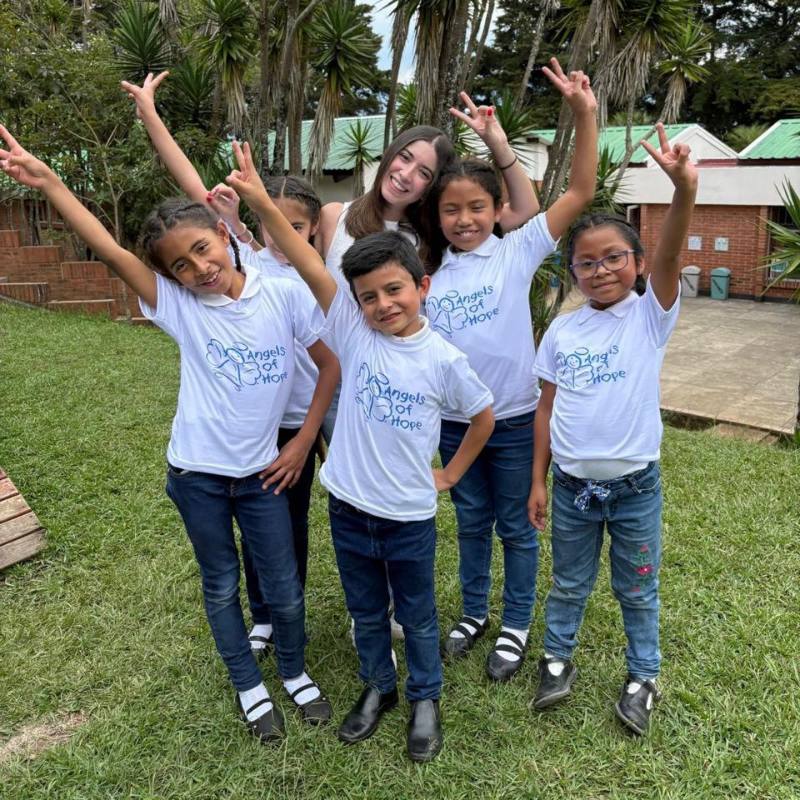
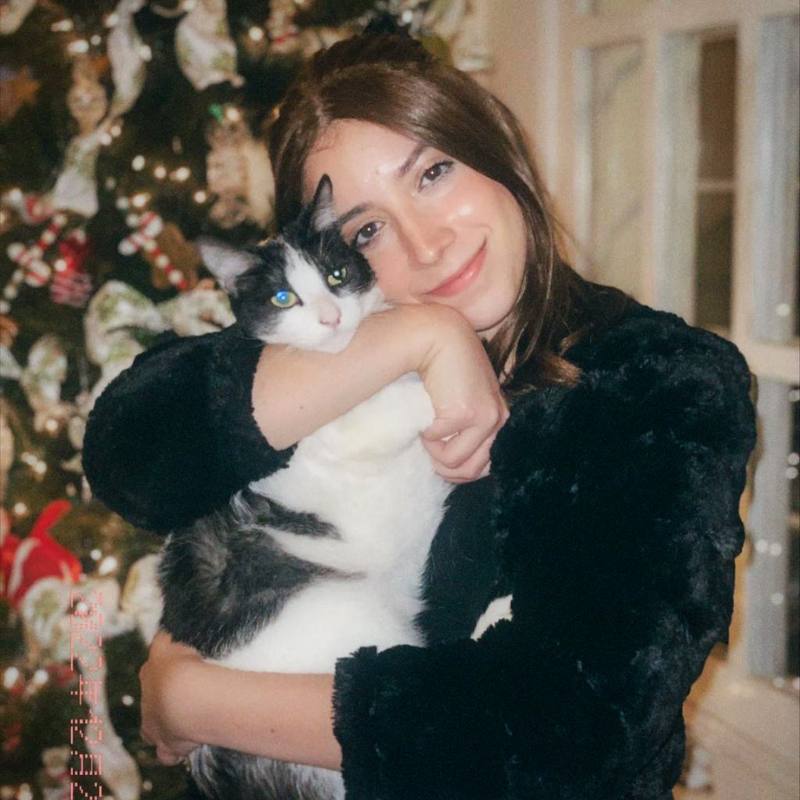
Today, Natalia continues Sor Maria Rosa’s legacy through her role at Food For The Poor (FFTP) as a digital content creator. Her work shines a light on the lives of vulnerable children and families, offering hope and creating pathways to a better future.
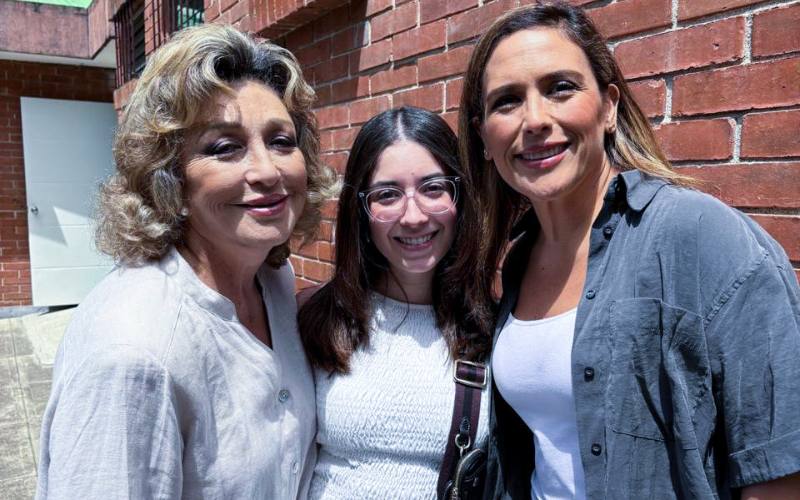
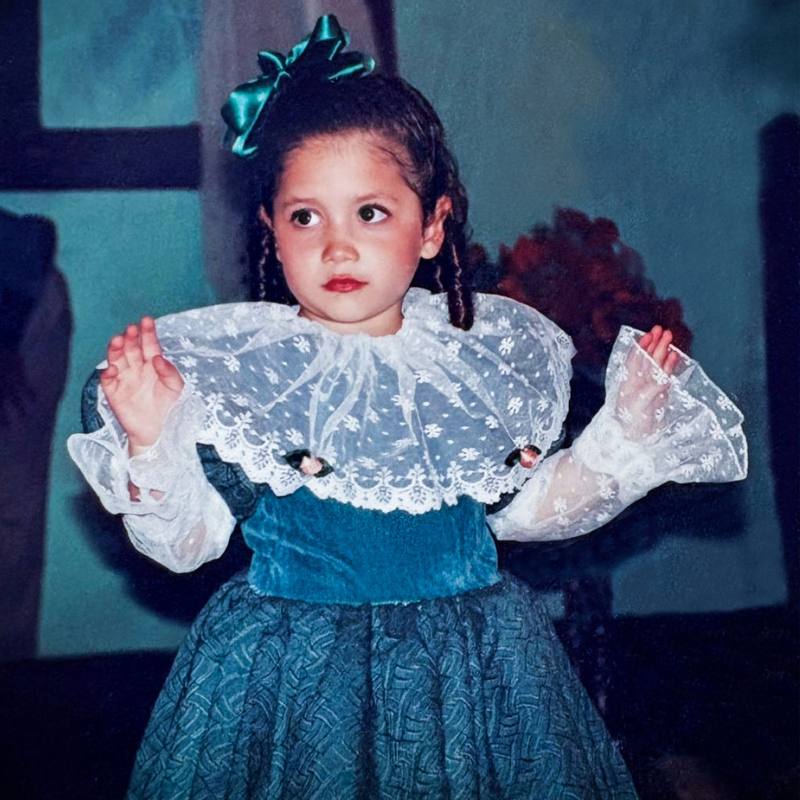
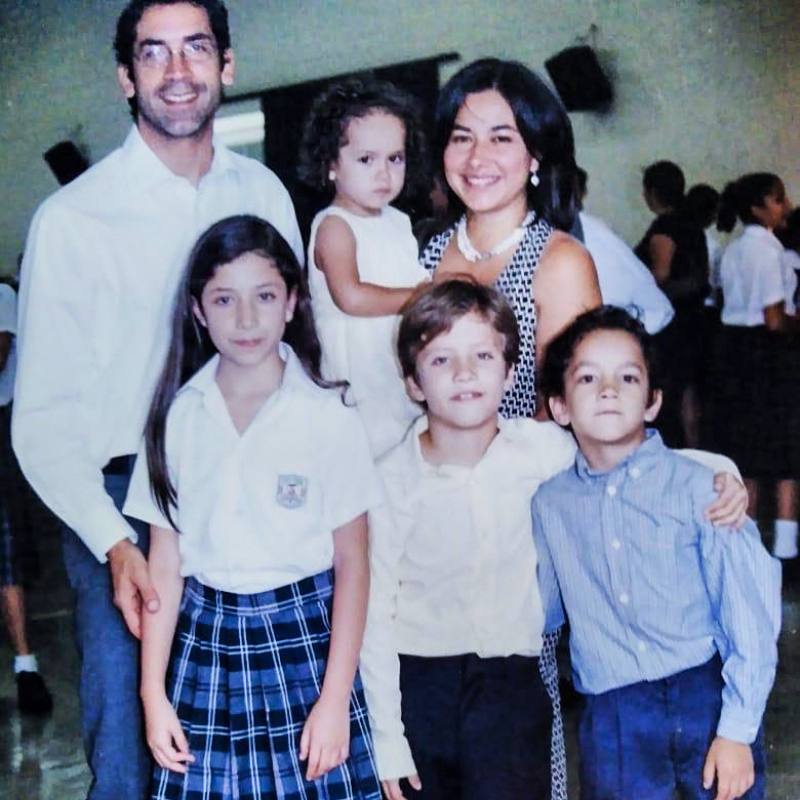
The eldest of five children, 30-year-old Natalia was born and raised in Tegucigalpa, Honduras, in a middle-class family. Her parents met in law school and today, her mother is a third-grade teacher motivated by her love for education, and her father is an attorney.
Family life is very important to Natalia – she’s proud of her parents and loves being a big sister to her siblings. She also is proud of the resilience and community spirit of her fellow Hondurans, which she witnessed during particularly tough times in her country.
“First, there was COVID and then we had two back-to-back hurricanes – Eta and Iota – and people came together so quickly,” she said. “There was a strong sense of community with people helping others in that moment of crisis and need. I think that’s one of the great things about Honduran people – they’re very resilient and they’re very community oriented.”
Another thing that brings the people of Honduras together? Soccer.
“Soccer is a huge thing,” she said. “One of the most exhilarating feelings I ever felt was when we classified for the 2010 World Cup because Honduras had not qualified since 1982. They made our dreams come true.”
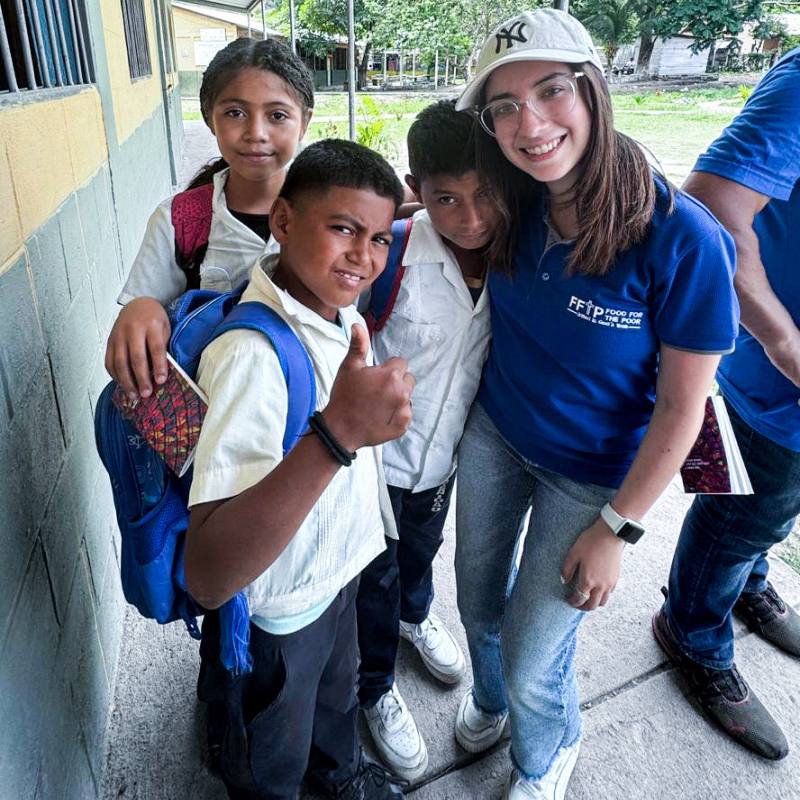
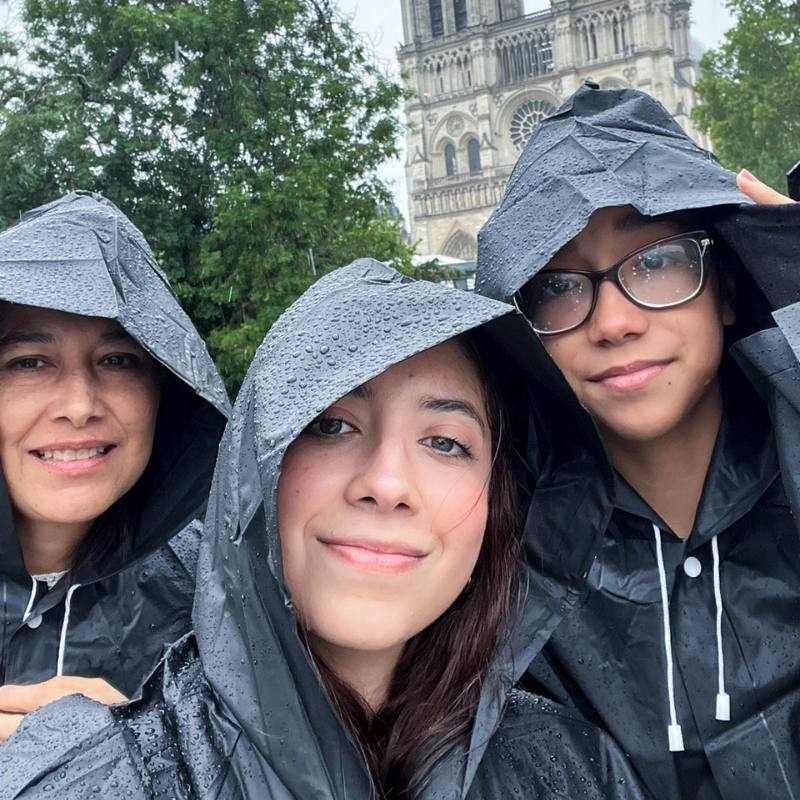
Despite her middle-class upbringing, Natalia is acutely aware of the poverty that surrounds her.
“When you go out on the street, there’s a 99 percent chance that you going to see a little kid knocking on your car window asking for money or asking for food,” she said. “It’s something you see every day here.”
It’s the moments of seeing children living in poverty that motivate Natalia in her career. She worked at Sociedad Amigos de los Niños for about a year before moving on to a series of corporate jobs, where she honed her digital skills and her expertise in video editing. While those jobs advanced her professionally, they left her feeling unfulfilled.
That all changed when she was recruited to work at FFTP a little more than a year ago.
“I said to my mom the moment I got the job that it was like God said he wanted me here,” Natalia said, noting that she appreciated the opportunity to participate in FFTP mission trips and witness firsthand the impact of the charity’s efforts.
“It gave me hope that through this job, we can change people’s lives immensely,” she said. “Just by having kids in school and not on the streets – that’s already a win.”
Nevenka’s Journey: From Fleeing Violence in Peru to Finding Purpose at Food For The Poor
When she was 15 years old, Nevenka Bravo’s father made the painful decision to leave Peru and settle in South Florida in search of safety from the violence that plagued their country.
“It was a horrible time,” said Nevenka, who works as a Travel Administrator at Food For The Poor. “The Shining Path was terrorizing the entire country, and so my father made the decision to come to the United States.”
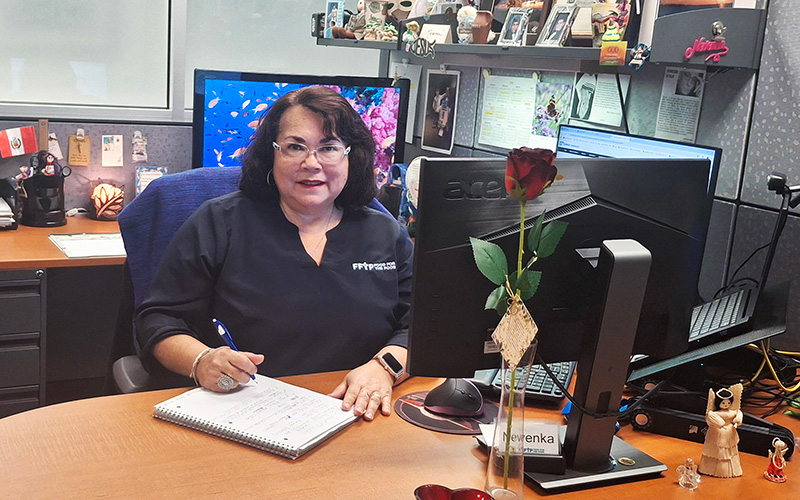
Although their circumstances were unsafe, Nevenka’s family did not suffer financially. Her grandfather was an airline mechanic, her father worked at Banco de Crédito del Perú, the largest bank in the country, and she attended a private school established for the children of bank employees.
Others weren’t as fortunate. Nevenka recalls the poverty so many people experienced in Peru. Families lived in makeshift homes barely larger than an office cubicle, with no water and no bathrooms.
“You see beggars in the streets,” she said. “You see children prostituting themselves. It’s surreal to think that people have so much and others have so little.”
Nevenka’s family had an easier time moving to the U.S. because her paternal grandfather was American. But the move came with its challenges. No one in the family spoke English, which limited their opportunities.
“It was very difficult,” she said. “I never went to school here.”
Her parents worked for a drywall company, and 15-year-old Nevenka joined them, cleaning windows on construction sites. As her English improved, so did her opportunities. She moved from window cleaner to restaurant dishwasher and later to a career in telecommunications.
Along the way, she married her childhood sweetheart, Jesus, who joined her in South Florida and together they raised their family. At 45, Nevenka earned her GED, inspired by the story of Malala Yousafzai, of Pakistan, who was targeted for her advocacy of girls’ education when she was 15 and shot by the Taliban in 2012 in a failed assassination attempt.

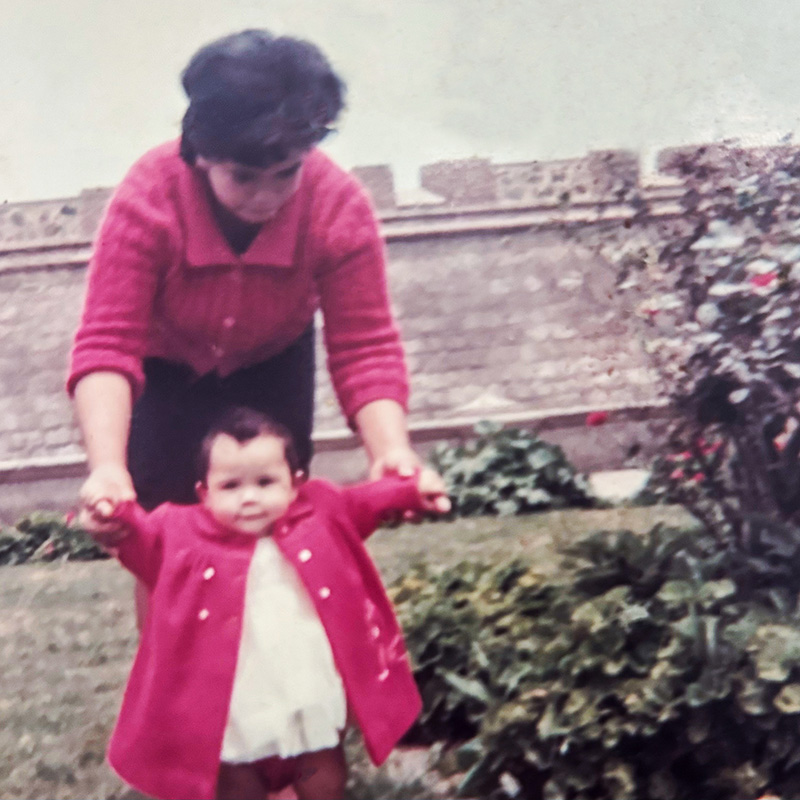


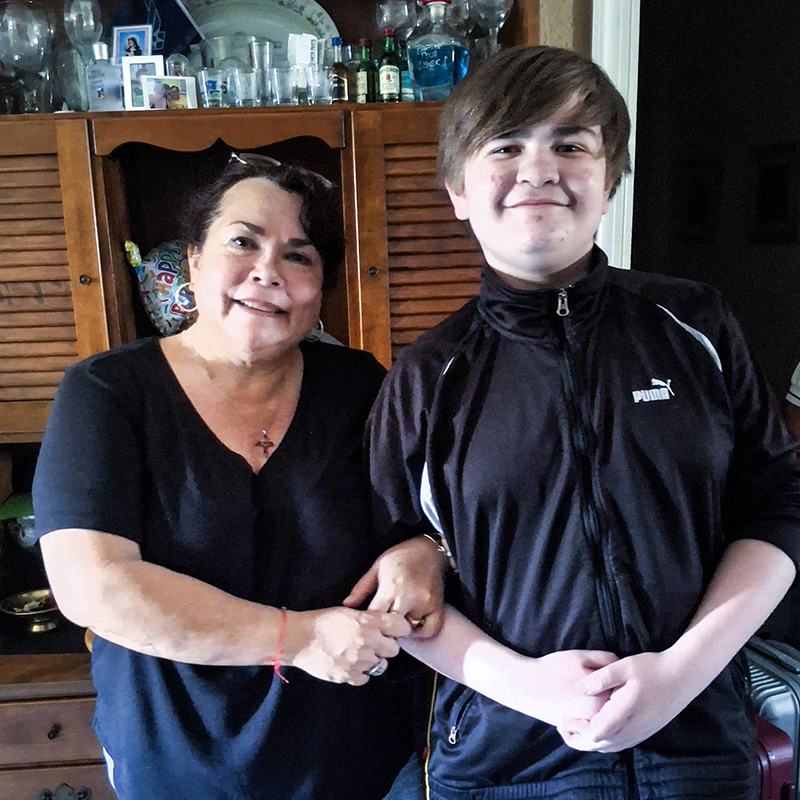
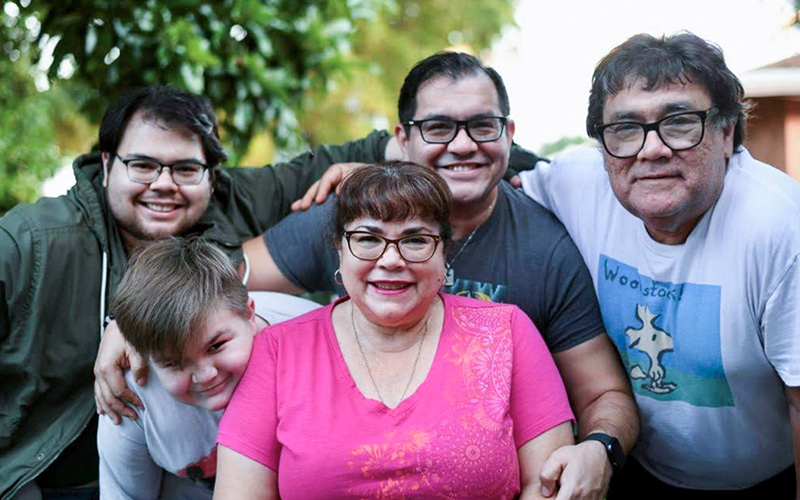
“This young girl put her life at stake for her education,” Nevenka said. “It inspired me that I should do this for myself, for my children, my grandchildren.”
Preserving her family’s traditions and culture and sharing them with her children and grandchildren is also paramount. Handmade Peruvian ornaments of clay created by local artisans and tapestries made by Cholitas, native women who sell their goods in local markets, are among the cultural items that are on display in Nevenka’s home.
She and Jesus also are accomplished cooks. They use their culinary skills to prepare traditional dishes, such as roasted turkey seasoned with Peruvian peppers, papas a la Huancaína (a traditional Peruvian dish of boiled potatoes topped with a creamy, mildly spicy cheese sauce), tamales de gallina (made with shredded chicken, masa dough, and a seasoned filling, then steamed in a corn husk or banana leaf wrapper), and other recipes passed down through the generations.
Just as Nevenka takes pride in her efforts to keep Peruvian traditions alive in the U.S. for her family, she is delighted to be part of an organization that is helping people in Peru who live in extreme poverty.
She is proud of the work that she does to coordinate travel for clergy speakers who visit churches in various parts of the country. Their visits, she said, help generate philanthropic support for FFTP and its mission to help vulnerable children and families.
“It’s a job that fills my heart because I feel like I’m making a difference in this world,” Nevenka said. “Working for Food For The Poor makes me truly happy.”
Victoria Aguilar: Resilience, cultural pride, and a deep sense of purpose define her life
Victoria Aguilar has spent the last 15 years building a new life in South Florida while maintaining deep connections to the roots of her family in Mexico.
“I am very proud of being Mexican, proud of my language, history, music and cuisine,” said Victoria, who joined Food For The Poor (FFTP) almost four years ago as a Donor Gift Processing Specialist.
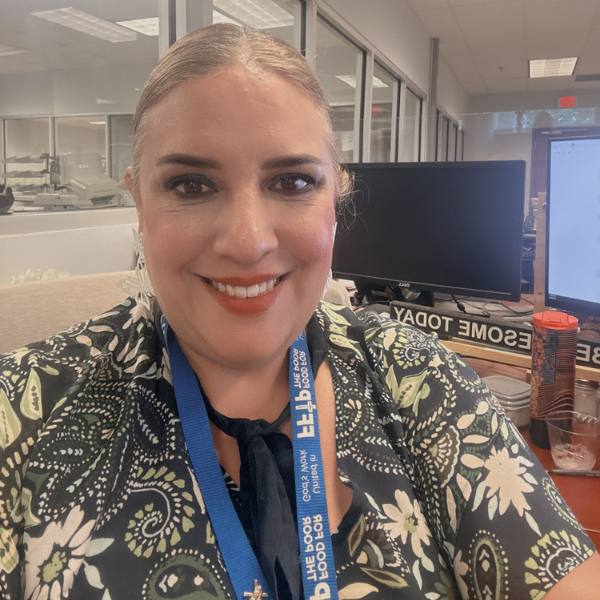
Born and raised in Mexico City, Victoria boasts a multicultural background that shapes her worldview. Her late father, Ernesto, was a native of Mexico and her mother, Victoria, is American. Her parents met and fell in love in the U.S. where Ernesto was working on his master’s degree, and the young couple eventually made their home in Mexico City.
Barely understanding the language, Victoria’s mother learned Spanish by watching Mexican soap operas, immersing herself so completely in the culture that she never had a desire to return to the U.S.
“My mom gets there and she said, ‘This is my country now,’” Victoria said.
Although she often visited her mother’s family in the U.S., Victoria’s path to America began after she experienced two assaults in Mexico City, where drug-related violence was escalating. Seeking safety and a new adventure, she and her then-husband moved to South Florida in 2009. Although her husband ultimately returned to Mexico, Victoria built a beautiful life in the U.S.
“I’m very happy to be here,” she said. “But that doesn’t mean that I’ve forgotten my roots.”
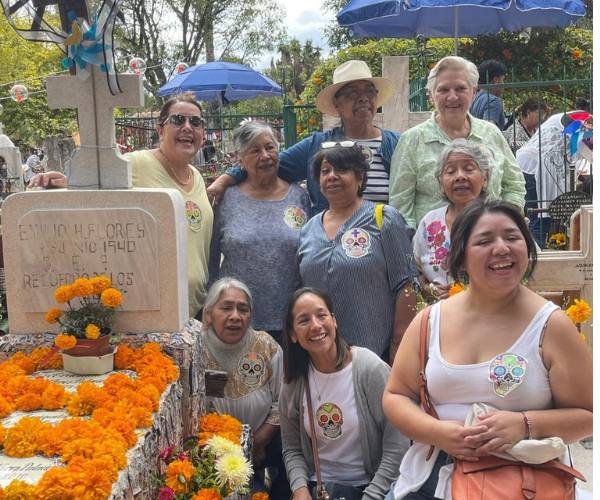
Victoria’s passion for her heritage shines through her dedication to preserving Mexican traditions. One of her most cherished is the Día de los Muertos or Day of the Dead, celebrated Nov. 1st and 2nd.
Rooted in pre-Hispanic indigenous customs and Catholic influences, Day of the Dead reflects Mexico’s unique way of viewing death – not as the end of life, but as a continuation of life’s journey. Families create decorative altars, known as ofrendas, with flowers, fruits and special foods to welcome the spirits of their deceased loved ones.
“Every year, it’s like God gives them permission to come back and be with us for one night,” she said. “It just fills your heart. It’s such a beautiful occasion.”
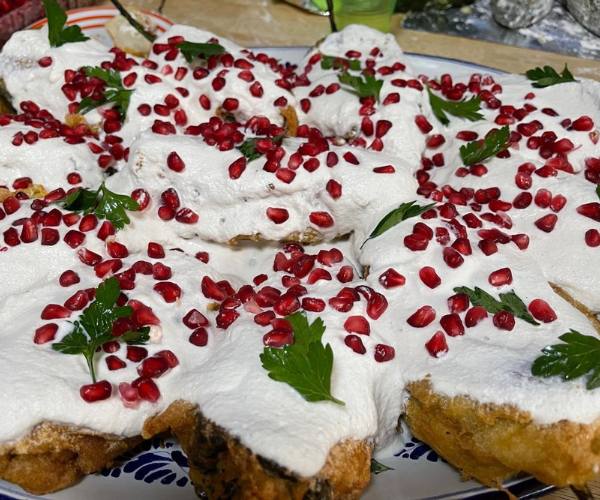
Victoria’s connection to her culture also is present in the form of foods that she and her family prepare to keep their traditions alive. Chiles en nogada (chiles in walnut sauce), which Augustinian nuns created in 1821 to celebrate Mexico’s independence, is a family favorite. It features the colors of the Mexican flag – green, red, and white: green poblano peppers are filled with picadillo (a sweet and savory mixture of meat and fruits) topped with white walnut sauce and garnished with bright red pomegranate seeds.
“You cannot imagine how delicious it is,” she said. “It’s always served at the beginning of fall because that’s the time when the pomegranate and walnuts are in season.”
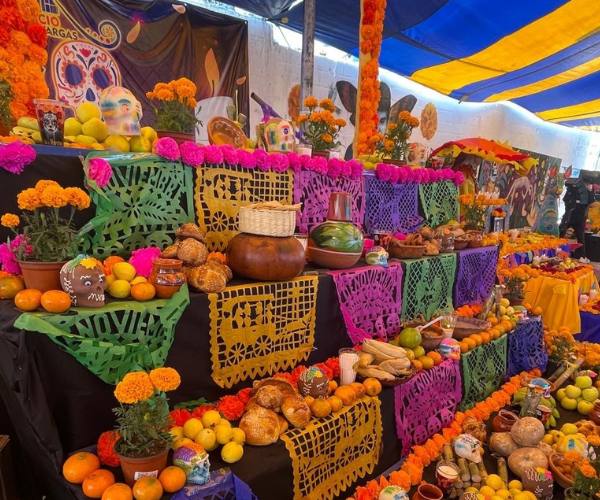
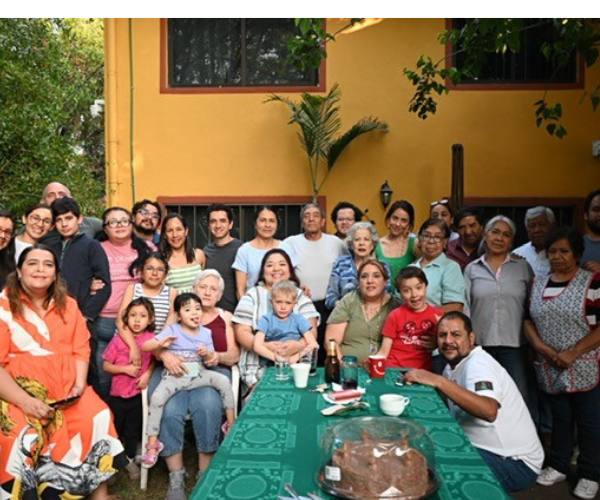
With no children of her own, Victoria works diligently to pass on these traditions to her nephews.
“My sisters and I have made it a priority to instill in them a deep appreciation for our Mexican heritage,” she said. “We have introduced them to the traditions, values, and customs that have shaped our identity.”
Early in her move to the U.S., Victoria, a trained dietitian, worked as an instructor at Le Cordon Bleu USA culinary school, where kindhearted students helped her improve her English, and later in food services at local hospitals. She learned about FFTP from her best friend, whose mother worked for the charity.
“I got very excited,” she said. “I thought it should be a nice place to work because you help the poor. I knew it was the place for me.”
While she was always proud of the work that FFTP does in other countries, Victoria was especially excited when FFTP expanded into Mexico, having witnessed firsthand the extreme poverty in her home country. She describes makeshift homes built from garbage scraps, where multiple families crowd into single rooms, making the work FFTP does for vulnerable children and families in Mexico especially meaningful.
“I’m so happy that we are helping Mexico – I love that we are helping children there,” she said. “It’s so rewarding to work in an organization like this because of all the positive change we’re able to make.”