United In God's Work
-
 Donor Login
| -
 0
0 | 
| 
Donor Login
0


At Food For The Poor, feeding the hungry is at the heart of our mission. We prioritize the preservation of human dignity and compassionate care for those in need. Our approach to poverty is rooted in sustainable, community-driven solutions that empower long-term change. From 2019 to 2023, we provided 943 million meals and delivered $3.2 billion in aid to communities across Latin America and the Caribbean. Our growing network of donors and volunteers shares our belief that poverty is not inevitable—it is solvable. Join us in the fight: spread the word, shop from our Humanitarian Gift Catalog, or become a donor today.
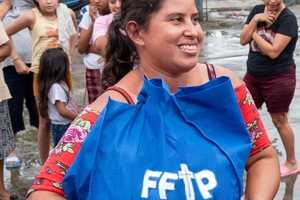

Our experience across Latin America has shown that cultural traditions, local craftsmanship and natural resources can provide a strong foundation for community development and economic empowerment. From alpaca weaving and cacao production in Peru to shrimp and blackberry harvesting in Colombia, sewing and weaving in Guatemala, coffee cultivation and roasting in Honduras, milk processing and cheesemaking in Ecuador, and tilapia farming in El Salvador, families are transforming generations of knowledge and locally available resources into sustainable livelihoods.
Through seed-to-market and product-to-market initiatives, these families can move beyond local and regional markets to reach consumers around the world. The Empowering Women Through Sewing program, developed in partnership with Mercado Global, connects handcrafted products made by Guatemalan artisans with U.S. retailers such as Levi’s. In El Salvador, Acceso links local farmers and fishers with companies including Super Selectos, PriceSmart, Subway and Yum! Brands. Coffee produced with COMBRIFOL in Honduras reaches Germany, while cacao cultivated in Peru through a partnership with KAOKA is enjoyed by consumers in France. With your support, more families can turn their traditions into sustainable livelihoods.


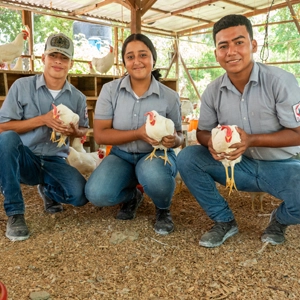
For 1 in 4 parents in Latin America—especially those living in poor remote areas—breaking the cycle of deprivation begins at home, where families often lack reliable access to food, adequate shelter, and stable income. Many are pushed into survival mode—hungry, stressed, and forced to make impossible choices: sacrificing their own meals so their children can eat, or deciding between food, medical care, and school supplies.
Poverty is a vicious cycle that extends far beyond a lack of income. Limited resources make it difficult to meet basic needs such as food, clean water, shelter, and healthcare, leading to hunger, malnutrition, and poor living conditions. In turn, chronic illness and undernourishment reduce the ability to work or learn, limiting future opportunities.
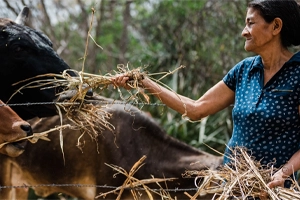
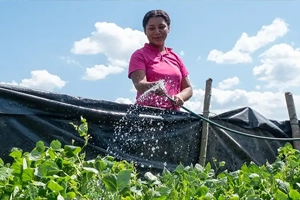
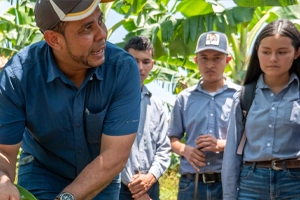
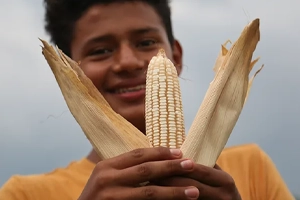
The LIFT (Livelihoods Improved Through Food Security and Training) program is a scalable, community-driven model that promotes sustainable food security and economic empowerment. Through the introduction of small-scale, locally produced nutritious food using climate-smart agricultural practices, participants are equipped to improve household food security while adapting to environmental challenges. The program also provides advanced skills development through Farmer Field School training, enabling farmers to adopt improved production techniques, strengthen their livelihoods, and increase resilience. By building local capacities and creating sustainable sources of income and nutrition, LIFT aims to deliver lasting solutions that reduce poverty and help communities thrive in the face of future challenges.
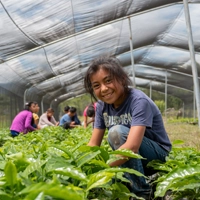
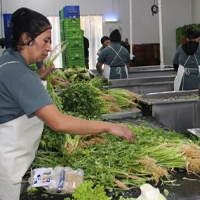
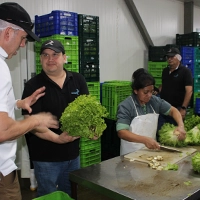
The LIFT program is highly adaptable, with initiatives ranging from small-scale family or community gardens to comprehensive, integrated solutions that include food production, processing, and distribution. This flexible approach allows the program to meet communities where they are, scaling support to create sustainable food systems and long-term impact.
DONATE NOW
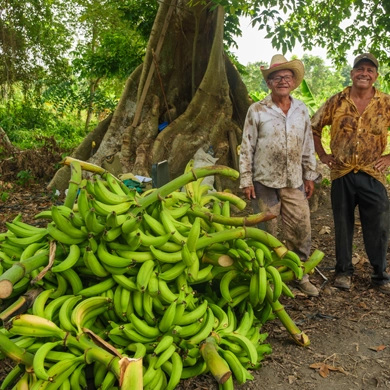
LIFT addresses hunger relief by providing immediate support while equipping families with the tools and knowledge to produce their own food. By fostering empowerment and self-reliance, it helps communities move beyond dependency toward long-term stability and resilience.
DONATE NOWLIFT starter kits provide families with the essential tools, seeds, and resources needed to begin producing their own food. These kits are designed to jumpstart self-sufficiency, helping households move from immediate need toward sustainable food security.
Empowering Women Through Sewing is a collaborative project between Food For The Poor and Mercado Global that creates sustainable income opportunities for women in impoverished communities in Guatemala and Honduras. At dedicated sewing centers, women are trained to produce high-quality handcrafted handbags and other items. Each handbag is a unique piece of art, created by skilled artisans who use traditional techniques passed down through generations—and this is the second year in a row that supporters can purchase these beautiful purses on our website.
By working part-time, artisans can earn up to $8 a day, enough to lift themselves and their families out of poverty within just a few months. Since its launch in 2018, the program has empowered more than 800 women artisans, positively impacting 2,800 people through fair wages, cultural preservation, and economic resilience. All the proceeds from the sales of the Mercado handbags on our website are directly reinvested in the partnership.
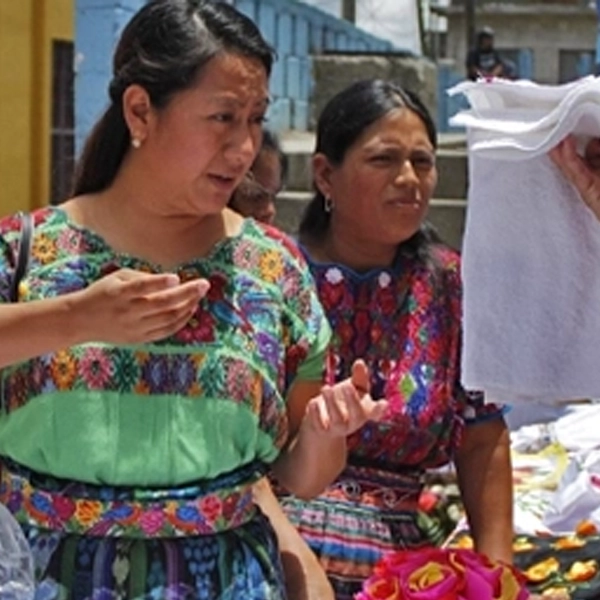
Handbags are ethically crafted, prioritizing fair labor practices and sustainable production. With each purchase, you're helping prove that we can tackle poverty through sustainable community development.
Buying a Mercado Global handbag provides sustainable income for artisans in marginalized communities, directly helping them support their families. By working part-time, artisans can make up to $8 a day, which is enough to lift themselves out of poverty over the course of a few months of engagement.



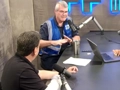
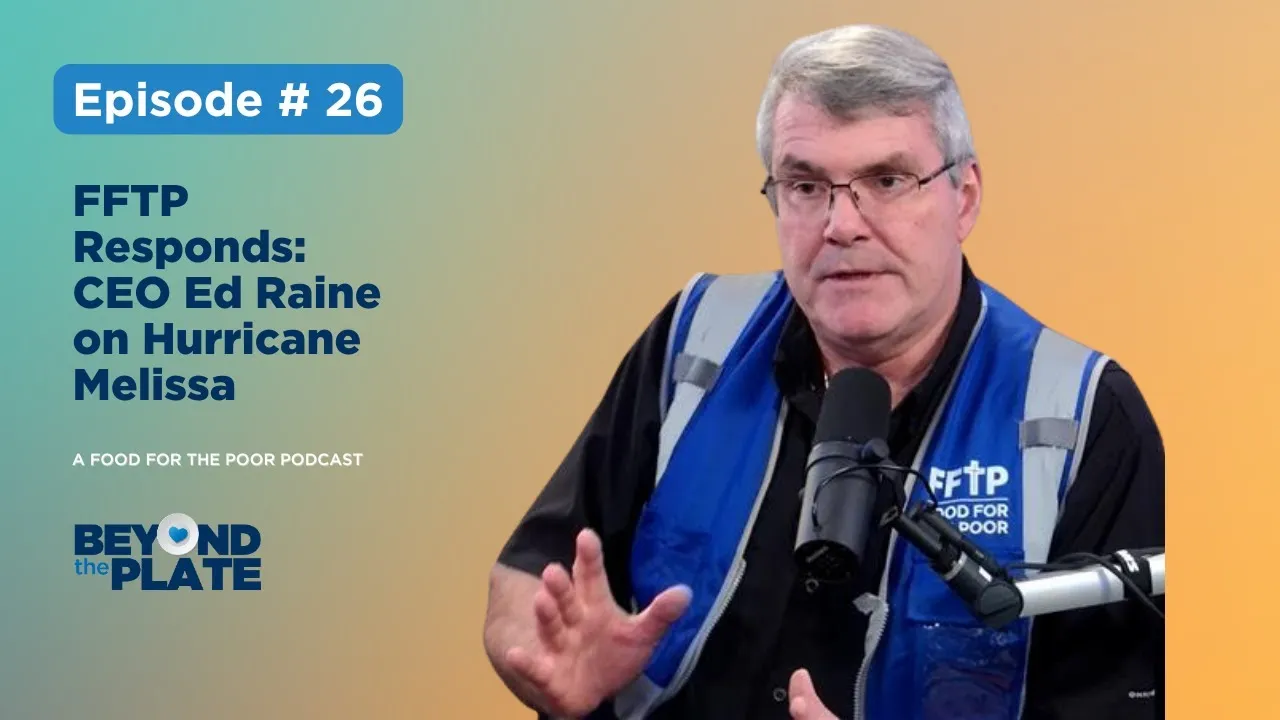
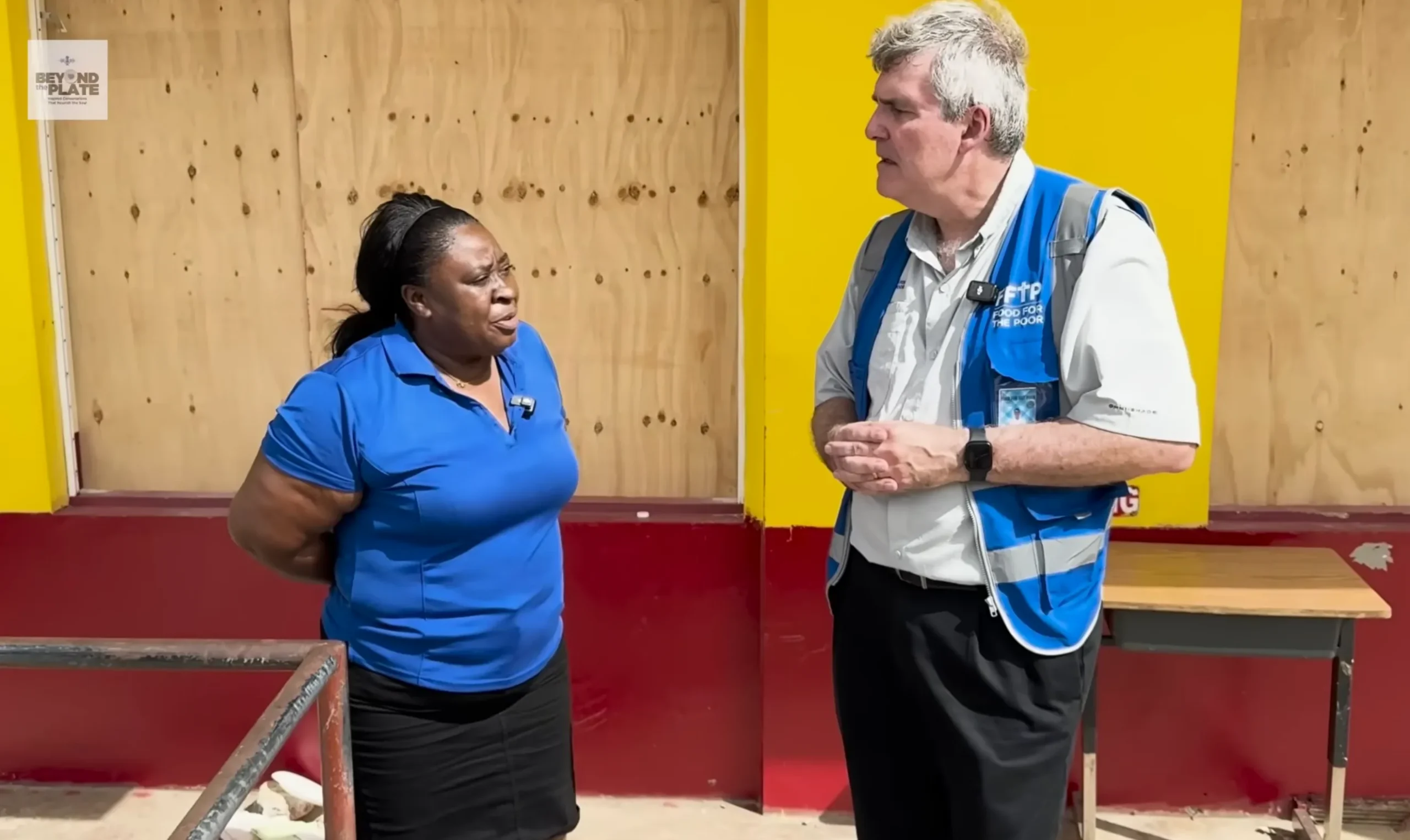
Explore our video library featuring humanitarian leaders, changemakers, and global advocates addressing hunger, poverty, disaster relief, and community development. Watch conversations with guests including Barron Segar of World Food Program USA, Monica Majors of World Central Kitchen, Shaggy, Cedella Marley, and Angélica Vale, alongside updates on Food For The Poor's emergency response efforts, including relief packing events, humanitarian partnerships, mission trips, and field reports. Together, these videos showcase the compassion, collaboration, and resilience bringing hope to vulnerable communities around the world.
Programs such as Empowering Women Through Sewing and Angels of Hope are created to empower beneficiaries to achieve self-sufficiency and inspire them to build strong, supportive communities. We are committed to finding simple, effective ways to fight hunger and poverty without causing harm to the people or the countries we serve. To ensure a lasting impact, Food For The Poor takes a holistic approach, working closely with in-country partners who implement solutions based on their specific areas of expertise. Explore each focus area to learn more about our initiatives.









ANTI-POVERTY FOCUS AREAS
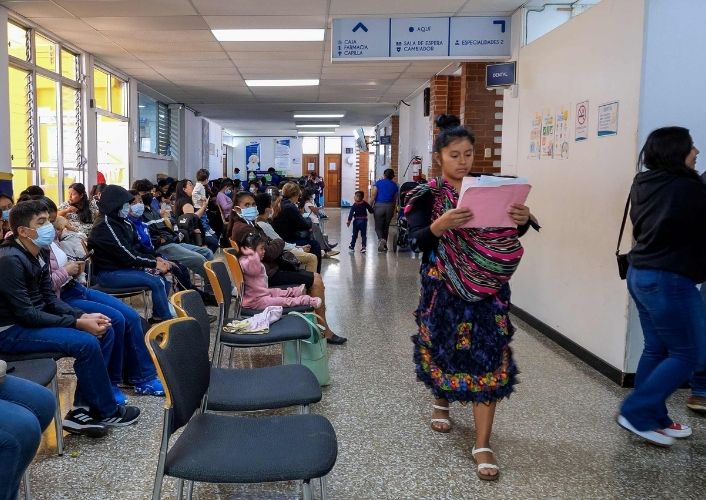
Food For The Poor-Supported Center Adds 24 Pediatric Beds COCONUT CREEK, Fla. (Sep. 1, 2026) — Seven-year-old Dilan can run,...
Read More →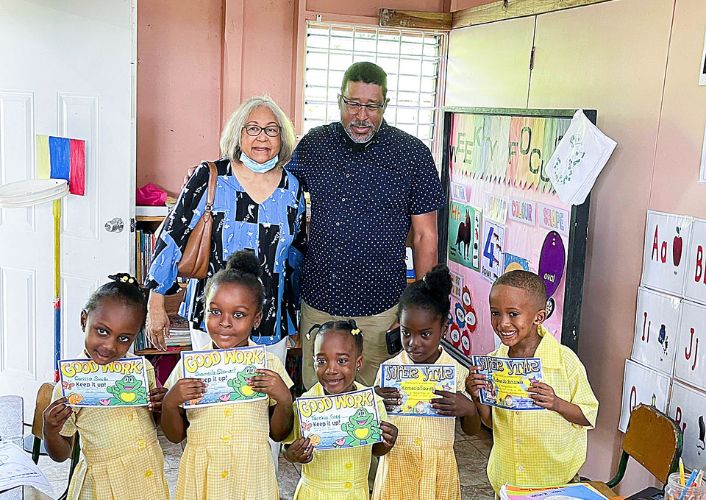
COCONUT CREEK, Fla. (Aug. 19, 2026) – For Mervyn Levy, working as president of Christos Ministries is a way to...
Read More →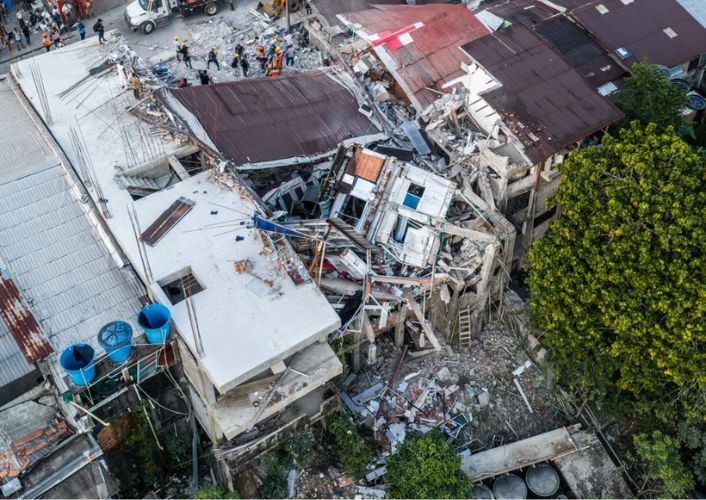
COCONUT CREEK, Fla. (Aug. 13, 2026) – Food For The Poor (FFTP) is responding to the 7.4-magnitude earthquake that struck...
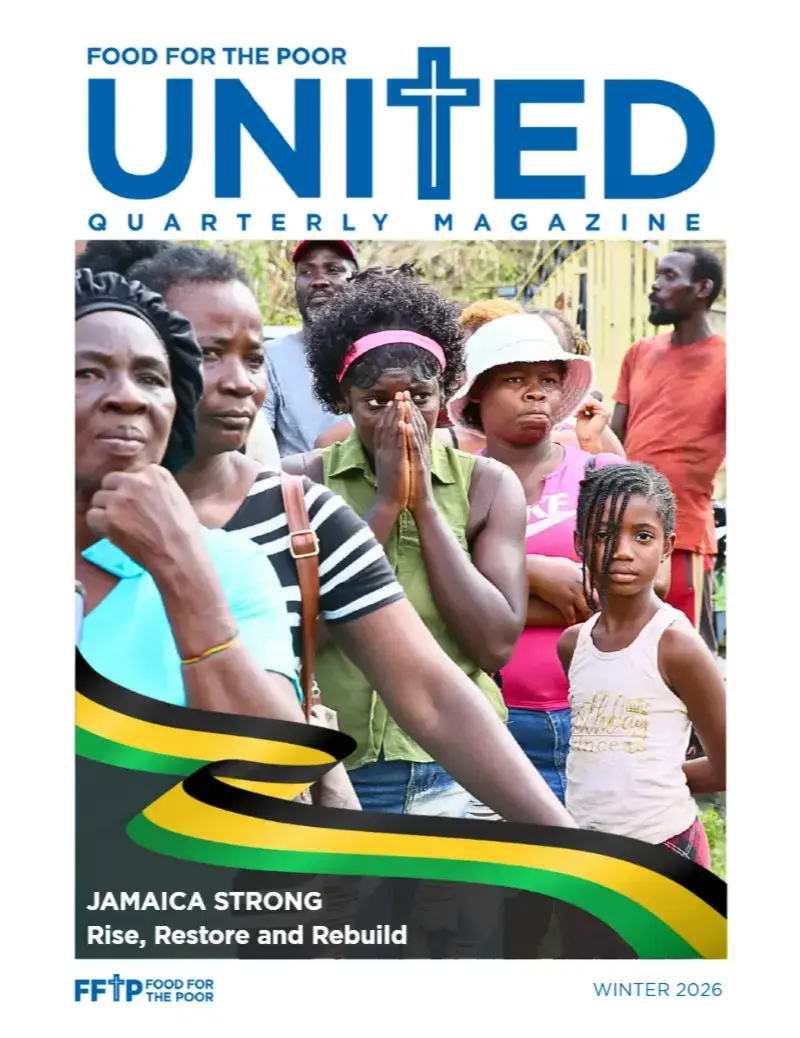
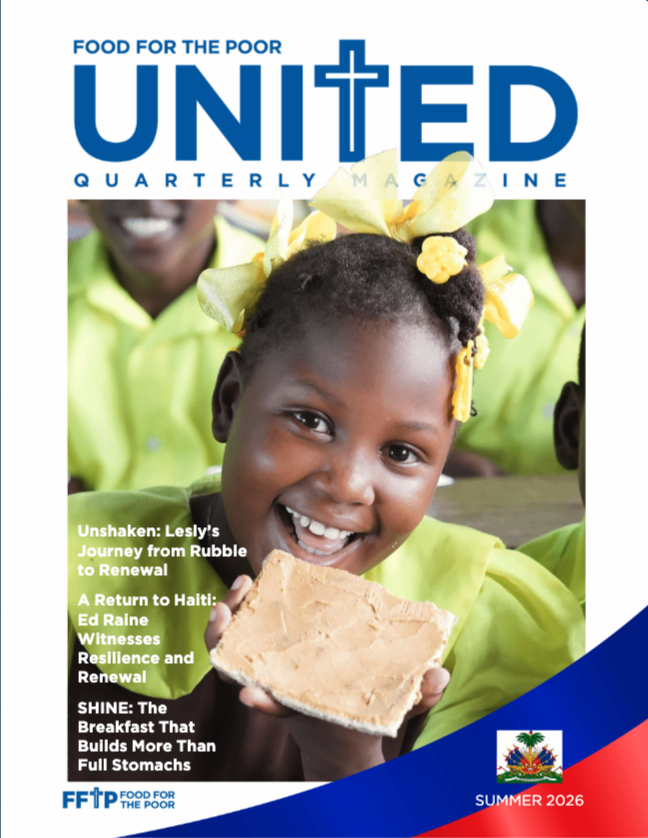
Read More →The Winter 2026 issue of United focuses on Jamaica’s recovery from Category 5 Hurricane Melissa, which devastated homes, schools, and livelihoods. Food For The Poor responded immediately with food, water, shelter materials, and coordinated airlifts, ultimately delivering over 4 million pounds of aid to 24,000 families and mobilizing 1,600 volunteers.
The issue also highlights long-term rebuilding rooted in faith, from funding new classrooms through the Rafe Cochran Golf Classic to packing 124,000 MannaPack meals for families. Stories of resilience and hope show FFTP’s commitment to restoring homes, dignity, and opportunity, walking alongside Jamaica every step of the way.
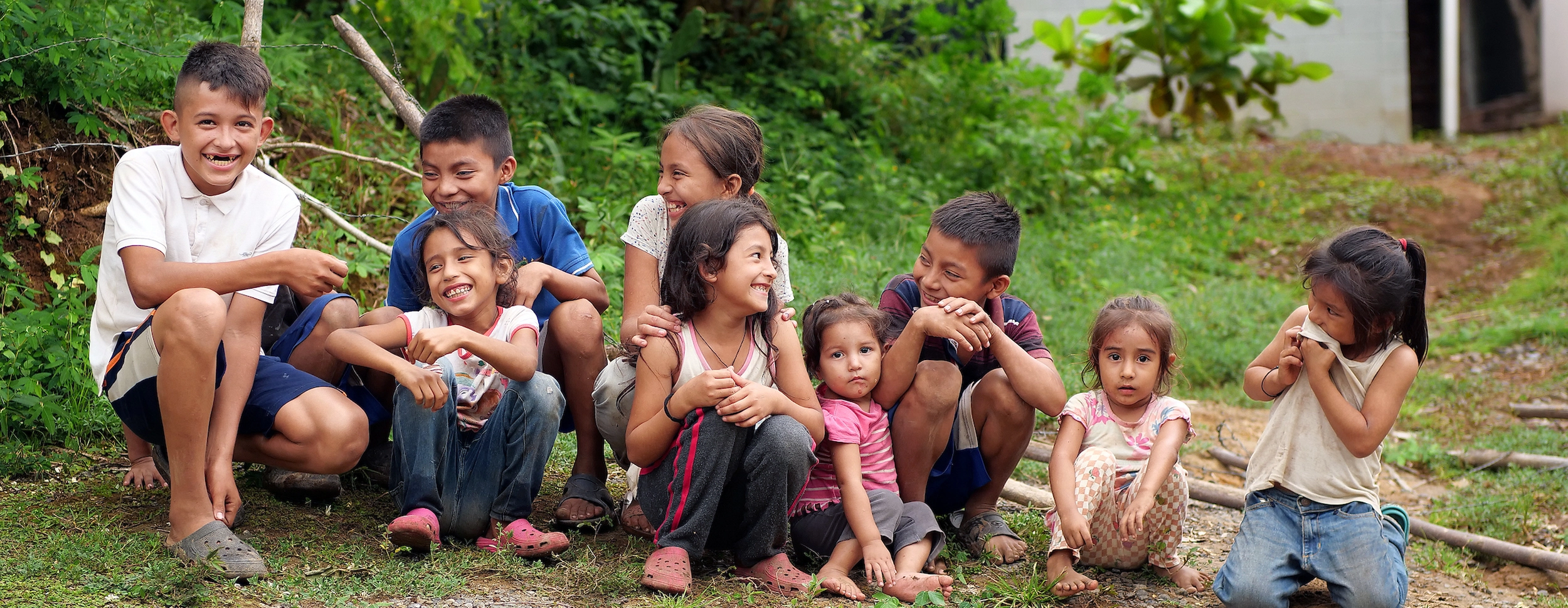
The term street children often brings to mind stereotypes: children who are orphans, delinquents, unwilling to accept help, or responsible...
Read More →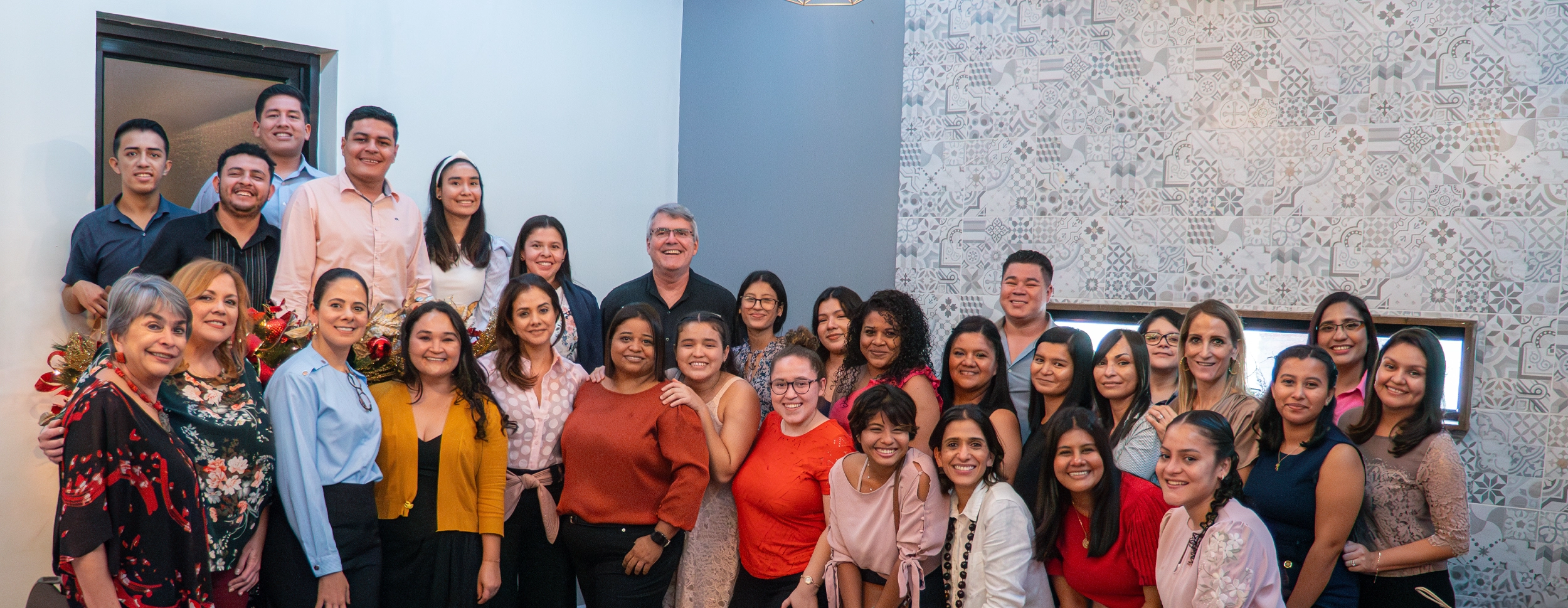
What happens when a child graduates from an Angels of Hope children’s home? For many, it marks the beginning of...
Read More →



More than 4.7 Billion Meals

96,381 Safe & Secure Homes

105,415 Tractor-Trailers of Essential Aid