Poverty is More Than a Lack of Income
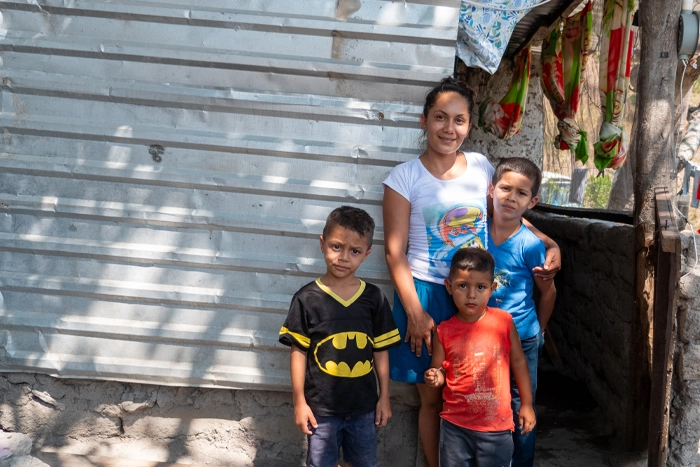
Poverty is often measured by income, but for millions of families it is the result of something much deeper. While poverty is commonly associated with limited access to safe housing, nutritious food, clean water, healthcare, education, and economic opportunities, leading development scholars argue that these are symptoms of a broader problem.
Economist Amartya Sen describes poverty as the deprivation of basic capabilities—the freedom and opportunity to live a healthy, productive, and dignified life. Similarly, development expert Robert Chambers argues that people living in poverty are often marginalized, excluded from decision-making, and left without a voice in shaping the future of their own communities. Poverty is therefore not simply about low income; it is also about exclusion, vulnerability, and the inability to access opportunities that many others take for granted.
While emergency assistance is essential during times of crisis, lasting change requires addressing these underlying barriers. Community development responds by strengthening local institutions, expanding access to essential services, creating economic opportunities, and empowering communities to participate in their own development. Rather than providing temporary relief alone, it helps families build the knowledge, resources, and resilience needed to escape poverty and create lasting change.
What is Community-Based Poverty Reduction?
Community-based poverty reduction is not a new idea. Its origins can be traced to the 1940s, when community development programs were introduced in rural Africa and Asia during the colonial era. Since then, the concept has evolved significantly, influenced by scholars such as Robert Chambers, Amartya Sen, John Kretzmann, and John McKnight, and has become a cornerstone of modern international development. Today, it is reflected in a variety of approaches, including Community-Driven Development (CDD), Asset-Based Community Development (ABCD), and other integrated community development models used by organizations such as the World Bank, the United Nations, and many humanitarian NGOs.
Although these approaches differ in their methods, they share a common principle: lasting poverty reduction is most effective when communities actively participate in identifying their priorities, shaping solutions, and leading their own development. Research has consistently shown that projects developed with local participation foster greater ownership, improve sustainability, and produce stronger long-term outcomes than top-down interventions alone.
Community development is therefore a long-term strategy for reducing poverty by working alongside local communities to identify their greatest needs while building on their existing strengths, knowledge, and resources. Rather than asking, “What does this community lack?” it asks, “How can we help this community create a stronger future?” The objective is not simply to improve the lives of individual families, but to strengthen the social, economic, and institutional foundations that enable entire communities to thrive for generations.
Community Development in Action
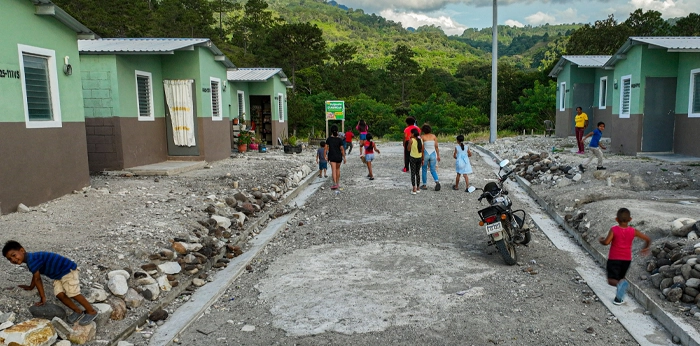
Community-based development is most effective when it addresses multiple needs within the same community rather than treating poverty as a single problem. Food For The Poor works with local churches, community leaders, and in-country partners to help families identify priorities and implement solutions that improve health, housing, education, food security, and economic opportunity.
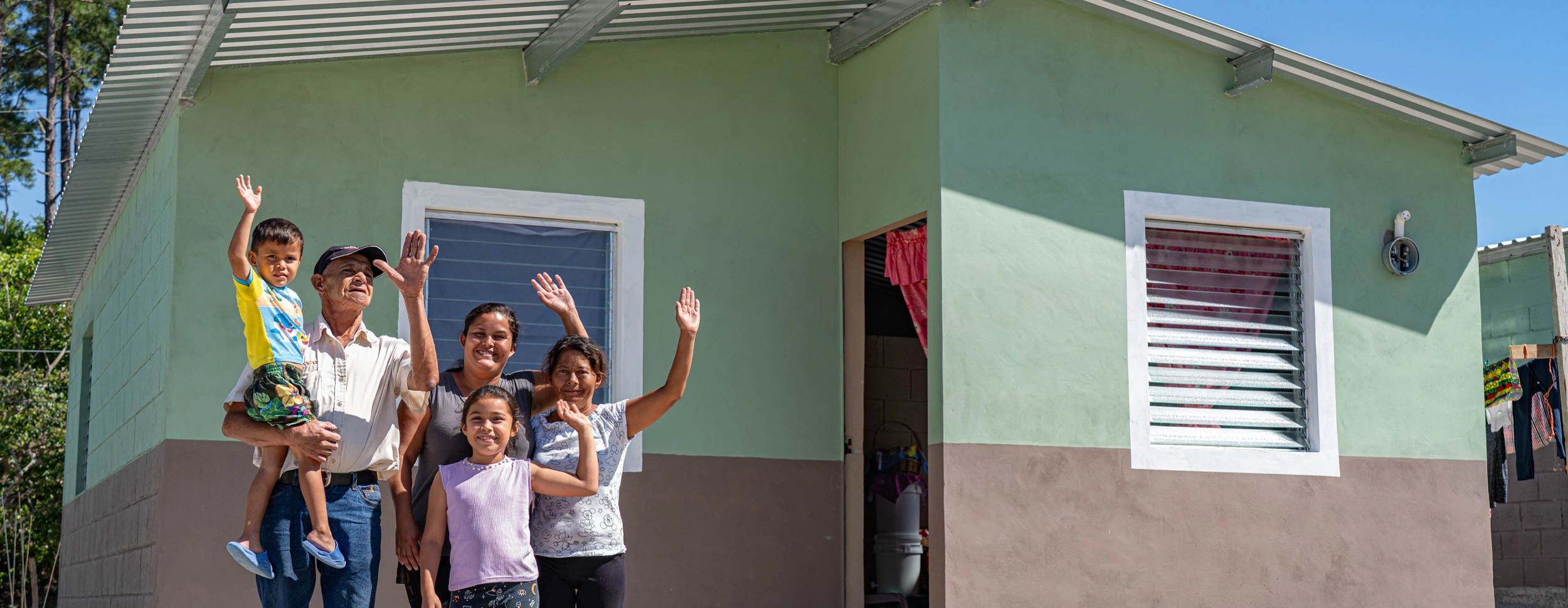
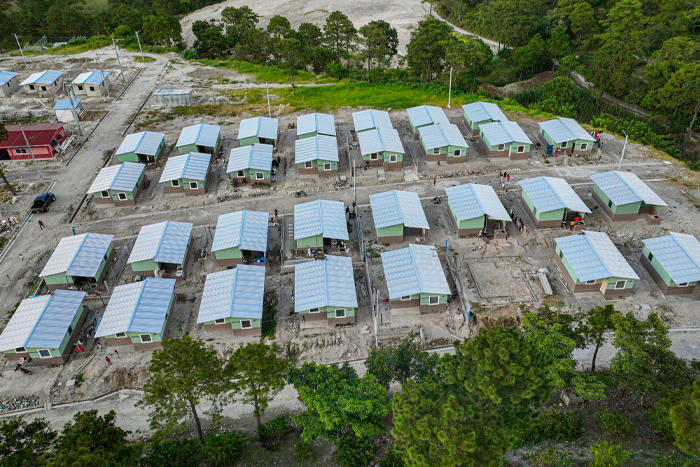
One example is the San Nicolás project in Honduras, where Food For The Poor, together with CEPUDO—its longest in-country partner in Honduras—generous donors, and local residents, partnered to create a new community. Rather than simply building homes, the project integrates safe housing with clean water, sanitation, community infrastructure, and opportunities for education and economic development—creating the conditions for long-term self-reliance and a stronger quality of life for families.
Addressing the Root Causes of Poverty
Poverty is rarely caused by a single issue. Development scholars recognize it as a multidimensional condition, where limited access to essential resources and opportunities creates a self-reinforcing cycle of deprivation. Poor health can reduce educational attainment, limited education can restrict employment opportunities, and low incomes can make it difficult to secure adequate housing, nutritious food, or healthcare. Together, these interconnected challenges make it difficult for families to break free from poverty without comprehensive support.
Community development seeks to interrupt this cycle by addressing several dimensions of poverty at the same time.
Food Security
Reliable access to nutritious food is the foundation of healthy families and resilient communities. Family gardens, livestock programs, irrigation systems, and agricultural training help households grow their own food, improve nutrition, and generate additional income through local markets.
Safe Housing
A safe, secure home provides stability, protects families from extreme weather and disease, and creates an environment where children can learn, grow, and thrive.
Food For The Poor’s housing communities in Guatemala illustrate this approach. Families receive more than a house—they become part of planned communities designed to improve health, safety, and access to essential services, helping entire neighborhoods move beyond unsafe living conditions.
Clean Water and Sanitation
Access to clean drinking water and improved sanitation reduces waterborne diseases, improves public health, and allows children to spend more time in school instead of collecting water.
Food For The Poor’s water projects in Guatemala demonstrate how reliable water systems can transform communities. By providing safe drinking water to families, schools, and healthcare facilities, these projects improve health outcomes, reduce disease, and free families to invest more time in education and economic activities.
Healthcare and Nutrition
Medical clinics, nutrition centers, maternal healthcare, and preventive health services improve overall well-being while reducing the long-term effects of malnutrition, particularly among young children.
Education
Education equips children and adults with the knowledge and skills needed to pursue better employment opportunities, increase income, and improve their quality of life.
Livelihood Development
Vocational training, agricultural extension services, entrepreneurship, and access to local markets enable families to build sustainable livelihoods, increase household income, and become more resilient to future economic and environmental shocks.
By addressing these interconnected needs together, community development helps families move beyond short-term survival and build a stronger foundation for long-term prosperity.
Building Stronger Communities
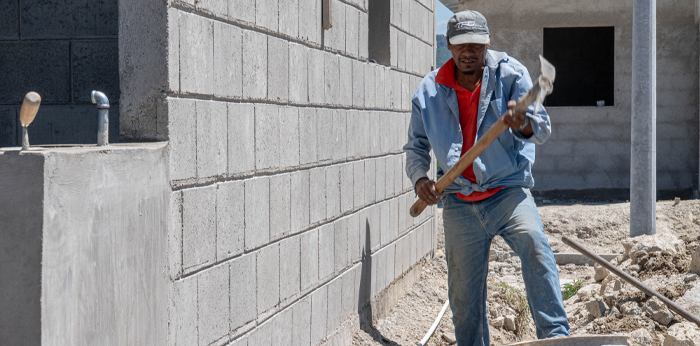
Community development extends beyond individual families. It strengthens the systems that allow entire communities to prosper.
By investing in local leaders, schools, healthcare facilities, churches, farmers, and community organizations, development initiatives create partnerships that continue long after individual projects are completed. Strong communities are better equipped to respond to disasters, support vulnerable families, and create opportunities for future generations.
Breaking the Cycle of Poverty
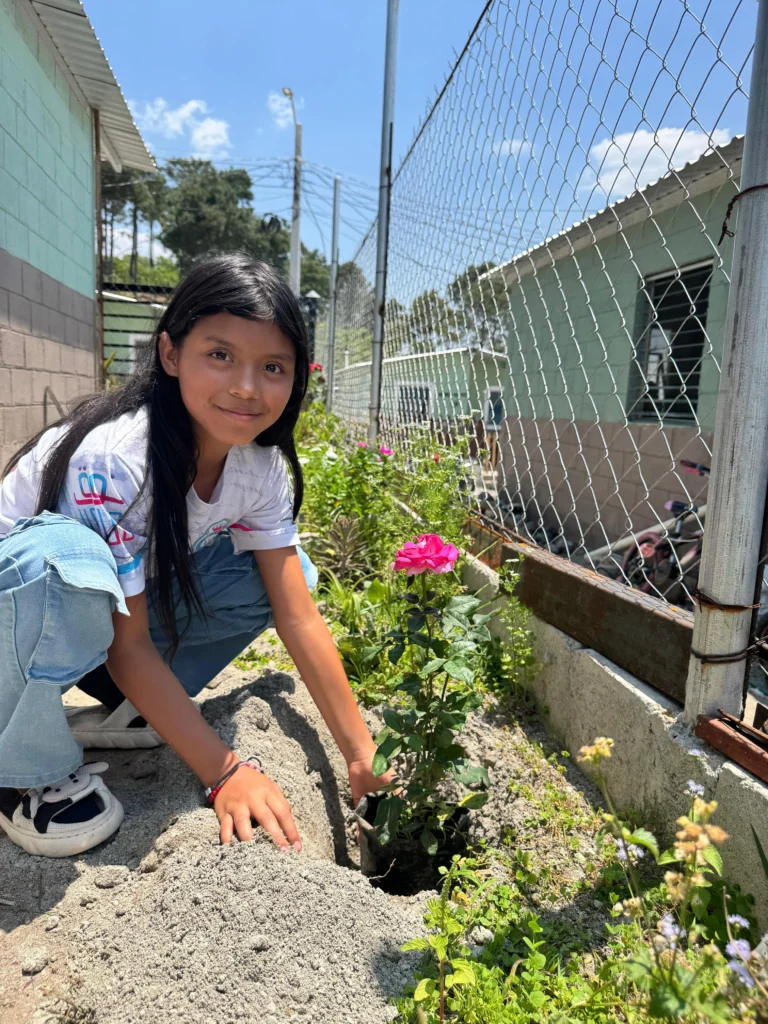
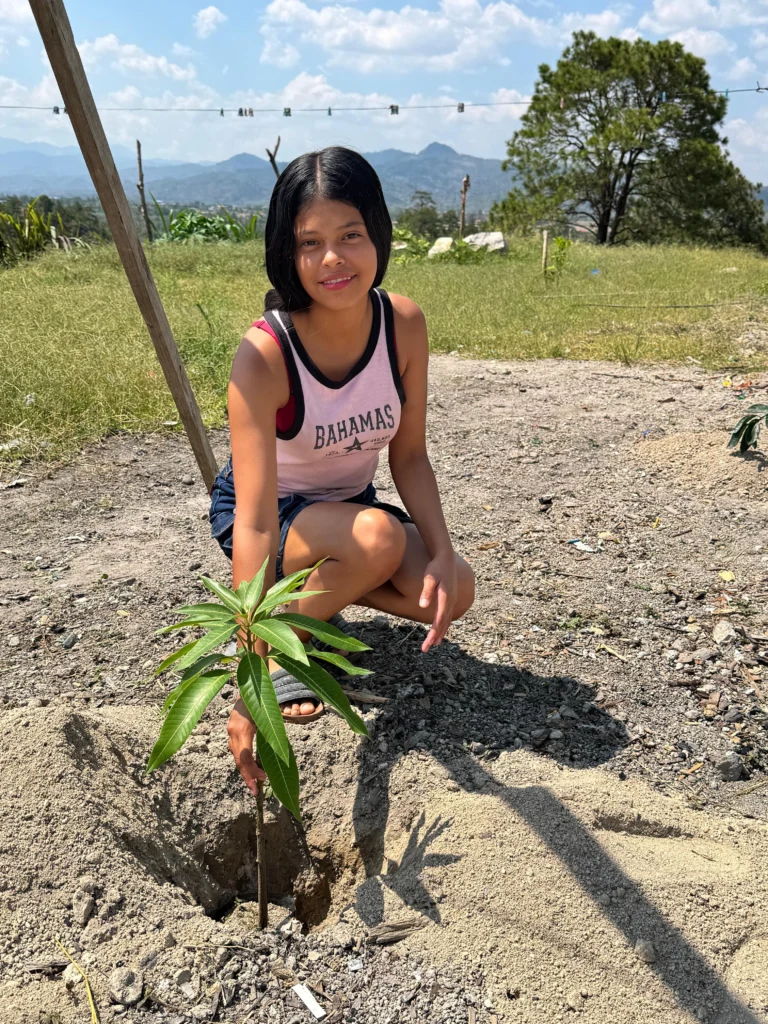
When families gain access to food, healthcare, education, and economic opportunity at the same time, the effects multiply.
Children who are well-nourished perform better in school. Healthy adults are more productive at work. Farmers who increase their harvests can feed their families while selling surplus crops. Communities with reliable water systems experience fewer illnesses and stronger local economies.
Over time, these improvements reduce dependence on outside assistance and create pathways toward self-reliance.
Food For The Poor’s Community Development Approach
Food For The Poor combines emergency relief with long-term community development to help families move beyond poverty. Rather than addressing a single need, its programs are designed to strengthen the many interconnected factors that influence a community’s well-being.
Examples include:
- Safe housing communities that provide families with security and dignity.
- Community water systems that improve health and reduce waterborne disease.
- Nutrition and healthcare initiatives that help children reach their full potential.
- Family gardens, livestock programs, and Farmer Field Schools that improve food security while creating new sources of income.
- The LIFT (Livelihoods Improved Through Food Security and Training) program, which equips families with agricultural, vocational, and business skills to build sustainable livelihoods.
- Education and child sponsorship programs that expand opportunities for future generations.
In Honduras, the partnership with CEPUDO demonstrates how these investments work together. By combining housing, infrastructure, clean water, and community facilities within a single development initiative, families gain not only improved living conditions but also the opportunity to build stronger, healthier, and more resilient communities.
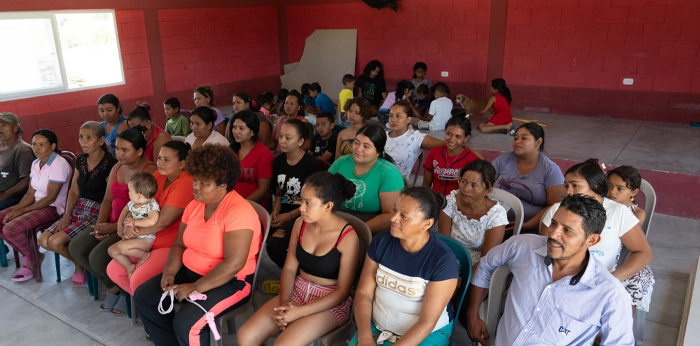
Participatory Development in Practice: The Story of Niagara, Guatemala
The community of Niagara, Guatemala, once faced the daily realities of extreme poverty. Families lived without access to clean water or electricity, making even the most basic necessities difficult to obtain. Recognizing that lasting change begins with listening, Food For The Poor worked alongside community members and local leaders—including Reyna Maribel Del Cid Diaz—to identify and prioritize the challenges that most affected their quality of life.
Access to safe drinking water quickly emerged as the community’s greatest need. Families walked more than an hour to the nearest river to collect water. During the rainy season, they often relied on stagnant pools contaminated with parasites and even toads because no other source was available. Children frequently suffered from stomach illnesses and diarrhea caused by unsafe water, while the nearest health clinic was hours away and emergency transportation was virtually nonexistent.
As president of the local FONTIERRA water board and a mother of three, Reyna Maribel Del Cid Diaz became a driving force behind the project. Through a participatory community development approach, Food For The Poor empowered local residents to take ownership of the initiative by helping plan, manage, and maintain the new water system. By placing the community at the center of the solution, the project not only provided clean water but also strengthened local leadership and built the capacity to sustain the improvements for years to come.
Community Development Creates Lasting Change
Community development recognizes that ending poverty requires more than responding to immediate needs. It means investing in the people, relationships, and infrastructure that allow communities to thrive long after a project is completed.
Whether it’s providing safe housing, clean water, agricultural training, or livelihood opportunities, every community development project creates lasting change. When communities are empowered to lead their own development, families gain the opportunity to build healthier, more resilient futures. You can help create lasting impact for families in need by supporting the sustainable solutions that break the cycle of poverty and transform lives for generations.