In this blog, you will meet young entrepreneurs in rural Colombia who are turning classroom lessons into thriving micro‑businesses that boost family income, restore dignity and open doors to long-term opportunity. You will see how skills training, seed capital and spiritual encouragement are helping them move from surviving to thriving, and how your support for Food For The Poor’s economic empowerment work can help more youth step into their God-given potential.
Why Economic Empowerment Matters
Across Latin America and the Caribbean, many families living in poverty work hard every day but still struggle to cover basic needs like food, school fees and transportation. Low wages, limited job options and small local markets can keep young people trapped in a cycle where effort does not translate into income or opportunity. Economic empowerment programs help break this pattern by equipping people with practical skills, tools and access to markets so they can build sustainable livelihoods with dignity.
Food For The Poor partners with trusted local organizations to provide training, startup support and spiritual guidance so families can grow income instead of debt. When young people learn how to run a business, manage costs and reach customers, they are not just earning money; they are shaping a new future for their households and communities.
Training Young Entrepreneurs in Tena, Colombia
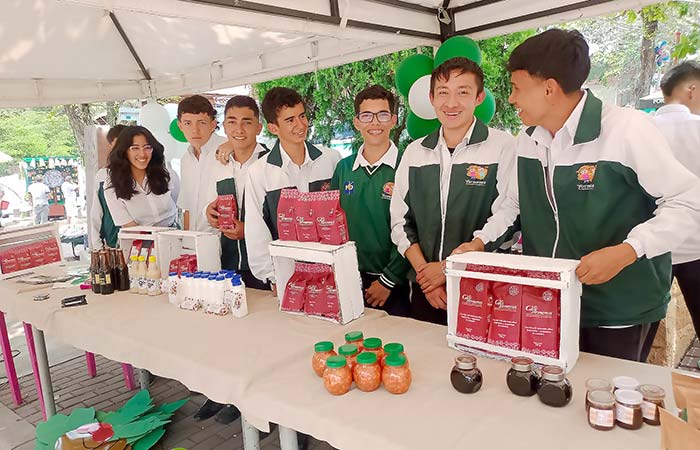
In the rural municipality of Tena, Colombia, 30 young entrepreneurs took part in a project designed to strengthen small, student-led micro‑enterprises and increase family income. With support from Food For The Poor and local partner, Formemos Foundation, these youth received more than 120 hours of training in finance, marketing, leadership, sustainability and production practices.
In classrooms and workshops, they learned how to:
• Develop a basic business plan and set realistic goals.
• Improve product quality, packaging and branding to attract buyers.
• Apply sustainable practices in sourcing and production.
Parents often joined the sessions, learning side-by-side with their children and building a support system that stretched from the home to the marketplace. As one teacher shared, these hours of practice and coaching became a foundation that students can build on for years to come.
From Classroom Ideas to Real-World Micro‑Businesses
As their confidence and skills grew, the young entrepreneurs in Colombia began transforming simple ingredients into market-ready products. With seed capital for tools, ingredients and eco-friendly packaging, 10 micro‑enterprises advanced their operations and launched or improved products that reflect both creativity and local tradition.
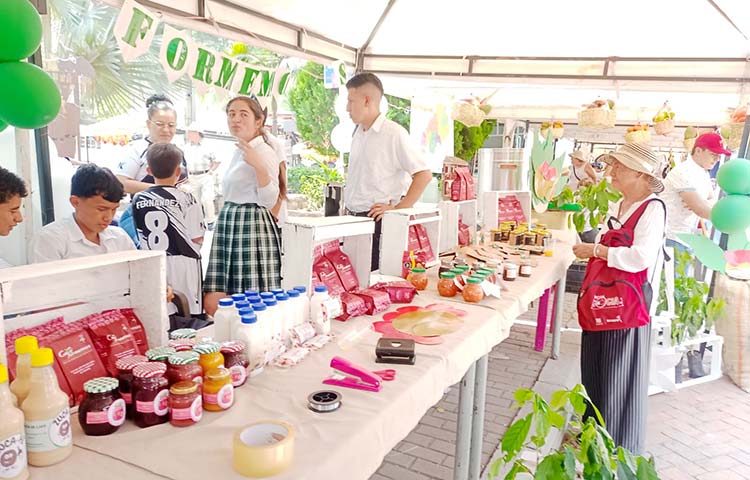
Some of the student-run products included:
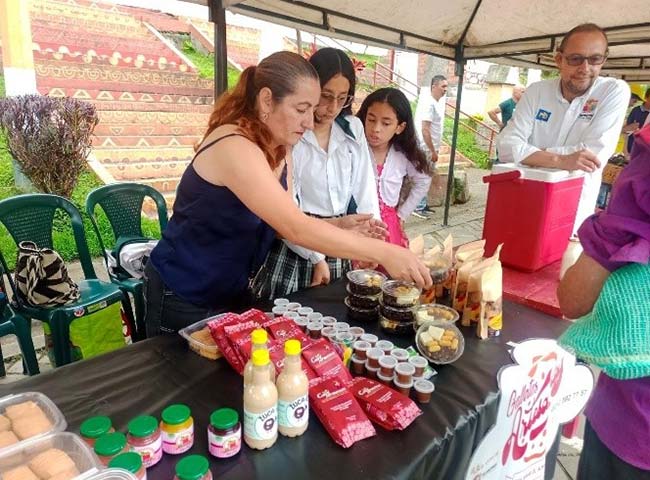
• Coffee cookies and coffee‑pulp wine that turn a common crop into higher-value items.
• Mango ceviche, yogurt and dried fruit snacks are prepared with improved hygiene and consistency.
• Spicy orange jams and sauces, including one hot sauce created by student Aileen, packaged in attractive, biodegradable containers.
• Energy bars designed by Johan, a young entrepreneur who dreams of lifting his family and community out of poverty “one bar at a time.”
Thanks to the project, the bakery staff at the educational center was able to repair and purchase essential equipment like a dough mixer, oven, rolling machine and industrial pressure pan. These upgrades turned the kitchen into a training hub where students could safely practice recipes, scale production and prepare for real sales opportunities.
Opening Doors to Markets, Networks and Hope
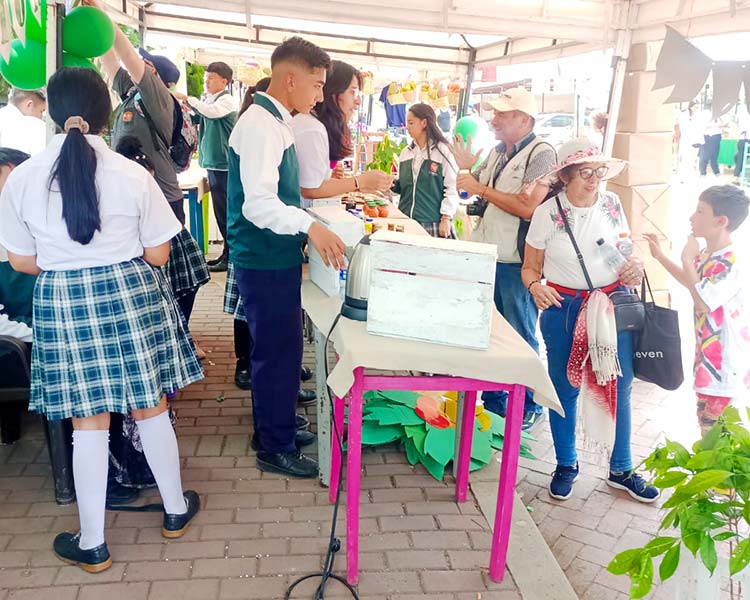
Economic empowerment is about more than having something to sell; it also means gaining access to customers and networks that can sustain a business over time. Through this initiative, the youth in Tena gained market exposure by participating in agricultural and industrial fairs, where they showcased their products, interacted with buyers and received live feedback.
Over the course of two fairs, the student businesses:
• Sold the equivalent of 197 dollars in products, gaining hands-on experience even when ongoing sales were limited.
• Increased productivity by 20 percent, meeting a key project goal tied to training and process improvements.
• Secured three letters of intent from companies interested in purchasing their products, opening doors to new markets beyond their immediate community.

During the final phase of the project, youth entrepreneurs also formed partnerships with a local restaurant, a bakery in Bogotá and the UNIMINUTO Solidarity Markets, further expanding sales opportunities. They officially launched the Tena Rural Youth Entrepreneurship Network, committing to promote each other’s products, share training and grow their presence together.
For many participants, standing behind a table of neatly packaged goods or shaking hands with a new customer was a moment of deep pride and renewed hope. One leader described the project as planting “seeds of opportunity” that will continue to bear fruit as students apply what they have learned in future jobs and ventures.
How You Help Turn Work Into Opportunity
Stories from Tena show how economic empowerment can transform lives when young people are given the chance to learn, create and lead. When you support Food For The Poor’s economic empowerment programs, you help provide the training, tools, seed capital and spiritual support that make these micro‑enterprises possible.
Your generosity can help:
• Fund skills training in areas like finance, marketing, agriculture and food production.
• Equip small businesses with essential tools, equipment and sustainable packaging.
• Connect youth entrepreneurs to fairs, markets and buyer networks so their products can reach more customers.
• Strengthen local partner organizations that walk alongside families long after the training ends.
In communities like Tena, a simple recipe, a repaired oven, or a first sale can become the start of a new chapter where hard work is rewarded and dreams feel within reach. You can be part of this transformation by praying, sharing these stories and giving toward economic empowerment projects that help young people build pathways out of poverty.
To learn more or make a gift that supports economic empowerment for families in need, visit foodforthepoor.org.