In this month’s blog, you will step inside several community clinics that are turning fear into relief for parents, providing safe care for children, and offering dignity to patients who once had nowhere to go when they were sick. You will see how improved facilities, compassionate medical staff, and the faithful generosity of Food For The Poor supporters are strengthening health systems in Honduras, El Salvador, and Haiti, and how your partnership is helping families experience healing and compassionate care close to home.
Why Health Care Matters
Across Latin America and the Caribbean, many families living in poverty face long distances, overcrowded public hospitals, and a lack of basic medical supplies when they need help the most. A simple fever, a complicated pregnancy, or a mosquito-borne illness can become life-threatening when there is no nearby clinic or when facilities are too rundown to provide safe care. By strengthening local health centers and building new community clinics, Food For The Poor and its partners help ensure that essential services like checkups, prenatal care, and urgent treatment, are within reach of vulnerable families.
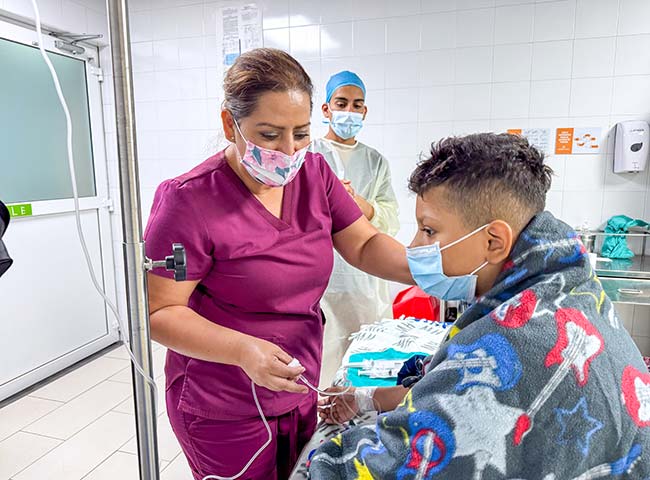
When communities gain a reliable place to seek medical care, the impact reaches far beyond the exam room. Parents miss fewer days of work, children are more likely to stay in school, and neighbors experience a renewed sense of security knowing help is available when illness strikes. Health projects also create opportunities for education about nutrition, hygiene, and disease prevention, empowering families to protect themselves and one another.
A Beacon of Healing in Pinalejo, Honduras
In the rural community of Pinalejo, Honduras, what was once a small, inadequate clinic has been transformed into a robust medical center ready to serve thousands of patients each year. With support from caring donors, Food For The Poor helped complete a new clinic facility that meets appropriate space requirements and improves access to healthcare for more than 4,100 residents of Pinalejo and surrounding areas. From the foundations to the finishing touches, every part of this building was designed so doctors and nurses can care for patients with safety, efficiency, and compassion.
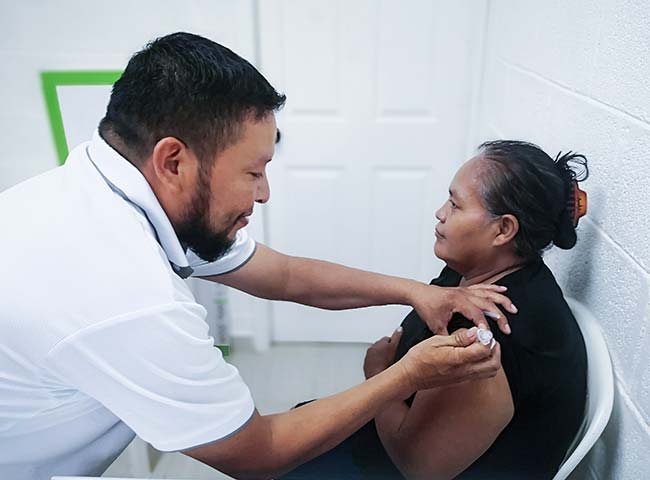
The completed clinic now features concrete walls, a sturdy roof, ceramic tile floors, proper ceilings, electrical and lighting systems, plumbing, and secure windows and doors that protect patients and staff from harsh weather. Inside, dedicated exam spaces, stocked storage areas, and hygienic restrooms help curb the spread of illness and allow medical teams to focus on what matters most: providing quality, dignified care. As one local doctor shared, this project will strengthen health programs for women, pregnant mothers, and families facing diseases like dengue, with the capacity to impact more than 11,000 individuals in the region.
Stronger Families, Stronger Communities
The new Pinalejo Clinic does more than treat fevers and infections; it is helping weave the community’s social fabric. Health initiatives like this bring neighbors, local leaders, and medical staff into closer collaboration, encouraging a shared sense of responsibility for one another’s well-being. When families see a clean, welcoming clinic standing in their own community, they are reminded that they are not forgotten and that compassionate supporters are making a difference in their lives.
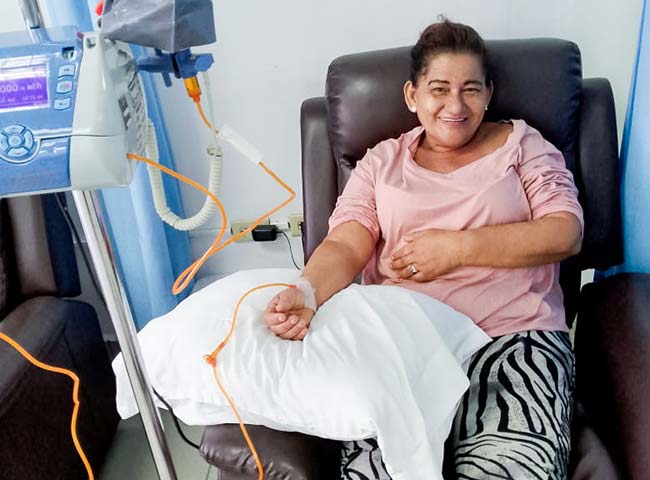
Improved access to medical care also means better quality of life for those living with chronic conditions, who once had to walk long distances or wait in crowded facilities to see a doctor. Now, residents can receive timely treatment, preventive screenings, and follow-up visits in a setting that respects their dignity and protects their privacy. For medical staff, the expanded space and reliable infrastructure enable them to provide safer, more efficient care, turning their daily work into a powerful source of healing for their communities.
Health and Hope Beyond Honduras
While the story of Pinalejo is inspiring, it is just one example of how your support for health projects is making a difference across the region. In Honduras, the Ribbons of Love Women’s Cancer Treatment project is helping women receive the specialized care they need to face cancer with courage and support. In El Salvador, the Ayúdame a Vivir (“Help Me Live”) initiative is sustaining operating costs so children with cancer can access life-saving treatment and compassionate care close to home. And in Haiti, the Our Lady of the Poor Clinic continues to serve as a vital lifeline for families who depend on its services for primary care, maternal health, and emergency support.
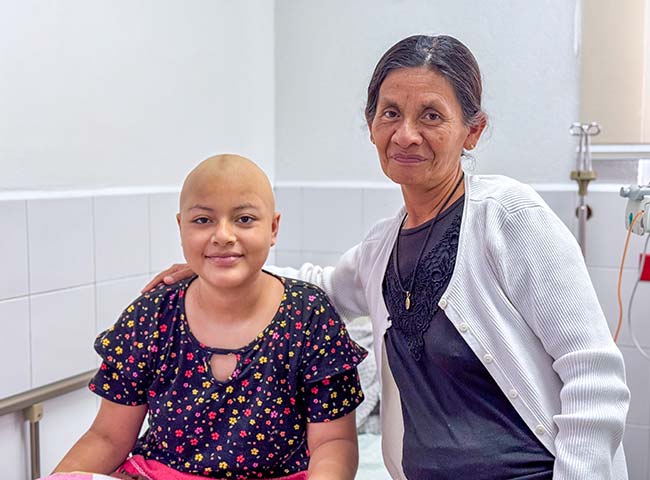
Together, these efforts form a network of mercy that stretches across borders, providing compassionate care and support wherever illness and suffering threaten to overwhelm families. Each clinic, program, and partnership reflects the same commitment: to walk alongside communities, strengthen local health systems, and experience both physical healing and emotional and spiritual support.
How You Help Bring Healing Closer
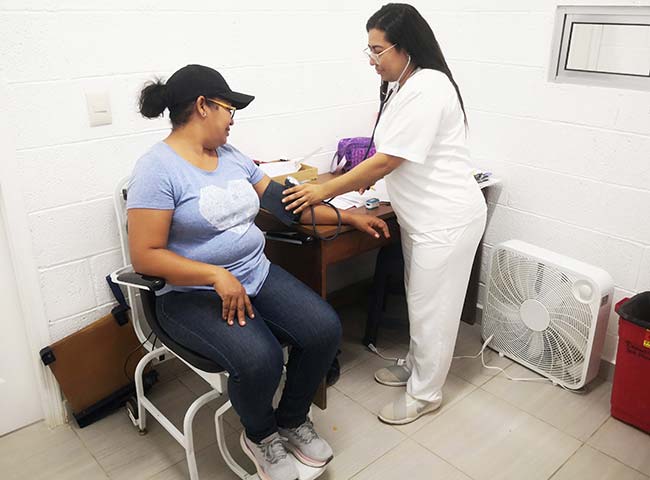
Stories from Pinalejo and other communities show how access to healthcare can transform lives when families are given a safe place to turn in times of need. When you support Food For The Poor’s health initiatives, you help build clinics, equip exam rooms, supply medicines, and empower local medical staff who faithfully care for their neighbors. Your generosity becomes part of every blood pressure check, every prenatal visit and every moment of comfort offered at a bedside.
Your partnership can help:
- • Fund the construction and renovation of community clinics in rural and underserved areas, so no one has to travel far for basic care.
- • Provide essential medical equipment, medicines, and supplies that allow doctors and nurses to treat patients safely and effectively.
- • Strengthen community health programs that focus on maternal and childcare, disease prevention, and ongoing wellness.
- • Support local partners and faith-based community clinics that walk with families long after the initial visit, offering spiritual encouragement and follow-up care.
In communities like Pinalejo, a sturdy roof over a clinic, a stocked storage room, or a simple exam table can mark the beginning of a new chapter where illness no longer means despair. You can be part of this healing story by supporting our health partners, sharing these testimonies, and giving toward projects that bring care and comfort to those who are sick and vulnerable. To learn more or make a gift that supports health and wellness for families in need, visit Food For The Poor.