In this blog, we’d like to introduce you to one of the most meaningful ways Food For The Poor walks alongside families on their journey out of poverty: Integrated Community Transformation (ICT).
When we think about poverty, it’s easy to picture a family without a home or a child going to bed hungry. But for the families we serve, poverty is rarely just one challenge. It often means unsafe housing, limited access to clean water, poor sanitation, few opportunities to earn a steady income, and barriers to education and healthcare. These challenges are deeply connected, which is why lasting change requires more than a single solution.
How Integrated Community Transformation Creates Lasting Change
Through Integrated Community Transformation (ICT), Food For The Poor works hand in hand with communities to address these challenges together. Rather than focusing on one need at a time, ICTs combine safe housing, water, sanitation and hygiene (WASH), livelihoods training, nutrition, education, financial literacy, leadership development, and other income-generating opportunities into one coordinated approach. The goal is simple: to help families build healthier, more resilient communities where they can thrive for generations to come.

Integrated Community Transformation Begins by Listening to Communities
Every ICT begins by listening. Before any work starts, our teams and local partners conduct a baseline assessment to understand each community’s strengths, needs, and opportunities. From there, measurable indicators are established to monitor progress throughout the project.
A baseline assessment allows us to evaluate what is working, identify areas that need additional support, and ensure that each community is moving toward greater independence and long-term sustainability.
ICT in Action: El Tablón, Guatemala
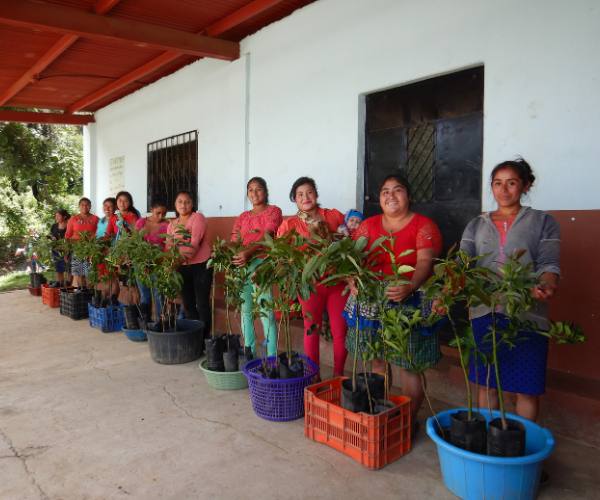
One community experiencing this transformation is El Tablón, Guatemala, where Food For The Poor partnered with 120 families to strengthen nearly every aspect of community life.
Local leaders participated in leadership and self-management training that equipped them to:
1. Identify community priorities
2. Develop proposals
3. Advocate for projects that benefit everyone
Through this process, they even prepared plans to help protect the community’s main access road from erosion, demonstrating how empowered leadership can create lasting change.
El Tablón is just one example of Food For The Poor’s long-term commitment to Guatemala. Since the beginning of this year alone, we have built 35 safe homes for vulnerable families, bringing our total to 4,076 homes constructed across the country. Each home provides more than shelter; it creates a foundation for healthier families, greater stability, and the opportunity to build a brighter future
Families also worked together to strengthen education. Parents and teachers participated in workshops that encouraged greater family involvement in children’s learning, helping to build stronger relationships between home and classroom. At the same time, technical training and nutrition education gave families practical tools to improve their health and well-being.
Food Security and Economic Opportunity Through ICT
Food security and economic opportunity became another important part of El Tablón’s transformation:
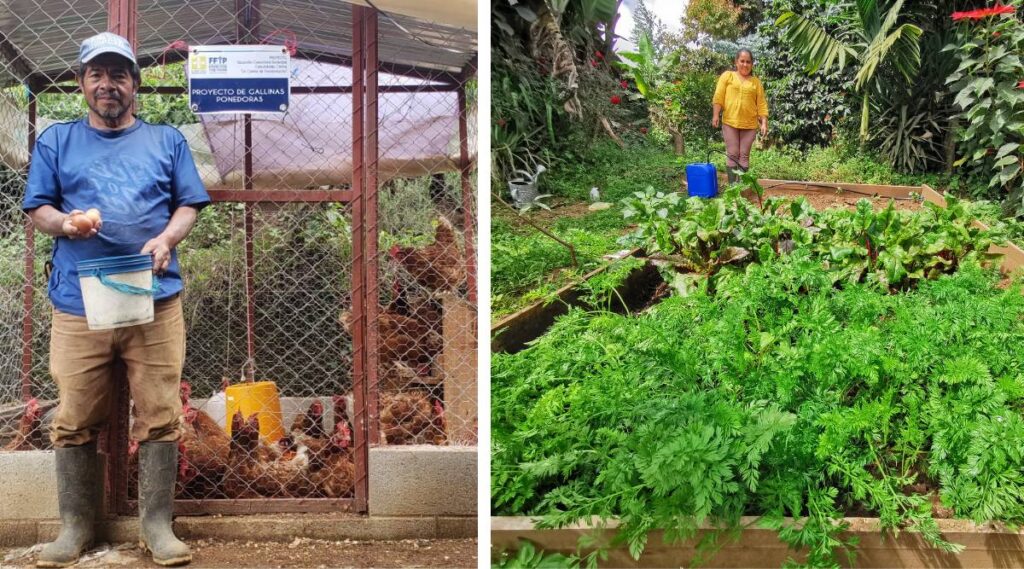
• Thirty family gardens were rehabilitated with ongoing technical support, allowing families to grow a wider variety of nutritious foods while preserving seeds for future harvests.
• Several households began selling surplus produce, creating small businesses that generated additional income while improving nutrition at home.
• Others participated in poultry production, where technical guidance helped maintain healthy laying hens and steady egg production. As their confidence grew, six families reinvested their own earnings to build new henhouses. These are inspiring examples of how opportunity can lead to self-sufficiency.
The transformation extended beyond livelihoods. Families benefited from improved housing, eco-friendly stoves, rainwater harvesting systems, and household water filters, creating safer homes and healthier living conditions. Together, these improvements have strengthened community leadership, enhanced food security, improved education, and created new pathways toward economic independence.
The story of El Tablón reminds us that transformation doesn’t happen because of a single project. It happens when families have access to the right combination of resources, training, and encouragement to build a better future for themselves. By continuing to measure progress against each community’s baseline assessment, Food For The Poor can celebrate successes, learn from challenges, and ensure that these investments continue creating lasting impact.
Why Integrated Community Transformation Leads to Sustainable Independence
At Food For The Poor, we believe every family deserves more than temporary relief; they deserve the opportunity to flourish.
Through Integrated Community Transformation, communities are not simply receiving assistance; they are gaining the knowledge, confidence, and tools to shape their own future. Together, with the support of compassionate partners like you, we are helping communities move beyond poverty and toward lasting hope.
Be Part of Integrated Community Transformation
When you invest in community development, you’re helping families grow their own food, build sustainable income, improve their homes, and create brighter futures for their children. You’re not just meeting immediate needs—you’re helping entire communities break the cycle of poverty for good.
Today, you can be part of that transformation.
Give today to support community development and help more families build a path toward lasting independence.