During Hispanic Heritage Month, much of the attention given to Latin America focuses on the region’s history, art, food, music and traditions. But cultural heritage is not only something to celebrate or preserve. For families living in poverty, the knowledge and skills passed from one generation to the next can also become valuable economic assets.
Cusco, Peru, illustrates both the opportunities and the challenges. The UNESCO World Heritage city reflects thousands of years of Indigenous Andean history as well as the later convergence of Inca and Spanish cultures. Indigenous and Quechua traditions remain an important part of the cultural identity of the surrounding region. Today, that extraordinary heritage also supports one of Latin America’s best-known tourism economies.
Tourism creates jobs and business opportunities, but it can also contribute to gentrification and displacement. As historic neighborhoods become increasingly valuable to visitors and investors, homes and other buildings may be converted into hotels, restaurants, shops and tourism businesses. UNESCO notes that tourism development in Cusco has altered the use of some historic buildings and contributed to original residents being relocated toward the city’s periphery. This creates a difficult contradiction: the Indigenous and Andean heritage that makes Cusco economically valuable can also contribute to development pressures that make it harder for longtime residents to remain in the historic communities connected to that heritage.
Cusco also points to a larger question: Does cultural heritage have to depend primarily on tourism to create economic opportunity?
Across Latin America, another approach can be seen in communities where cultural traditions are connected directly to livelihoods. Traditional weaving in Colombia and Guatemala, coffee production among Indigenous Lenca communities in Honduras, and cacao farming in Peru show how locally rooted knowledge and skills can become part of strategies to increase family income.
The challenge is not simply to find ways to commercialize culture. It is to ensure that the people who possess and preserve that knowledge are able to capture more of the economic value it creates.
That means going beyond preservation alone—and beyond tourism—by investing in the people who keep cultural traditions alive through training, productive assets, financing, community organization and access to markets.
Cultural Heritage Can Be Part of the Fight Against Poverty
Cultural heritage includes monuments and historic places, but it also includes living traditions: craftsmanship, agricultural knowledge, foodways, skills and practices passed from one generation to another.
Researchers Francesca Giliberto and Sophia Labadi have examined how both tangible and intangible cultural heritage can contribute to sustainable development. Their research identifies connections between heritage and issues including poverty alleviation, women’s empowerment and environmental sustainability, while also emphasizing that successful outcomes depend on how heritage-development projects are designed and implemented.
That distinction is important.
A traditional skill can have significant cultural value while providing very little income to the person practicing it. Farmers can produce valuable crops but lack access to buyers. Artisans can make products that eventually sell for much higher prices while intermediaries capture most of the profit.
The examples below show how communities can build on existing cultural and productive assets by adding something they may not already have: equipment, training, financing, organization and access to markets.
Colombia: Helping Artisans Earn More From Ancestral Skills
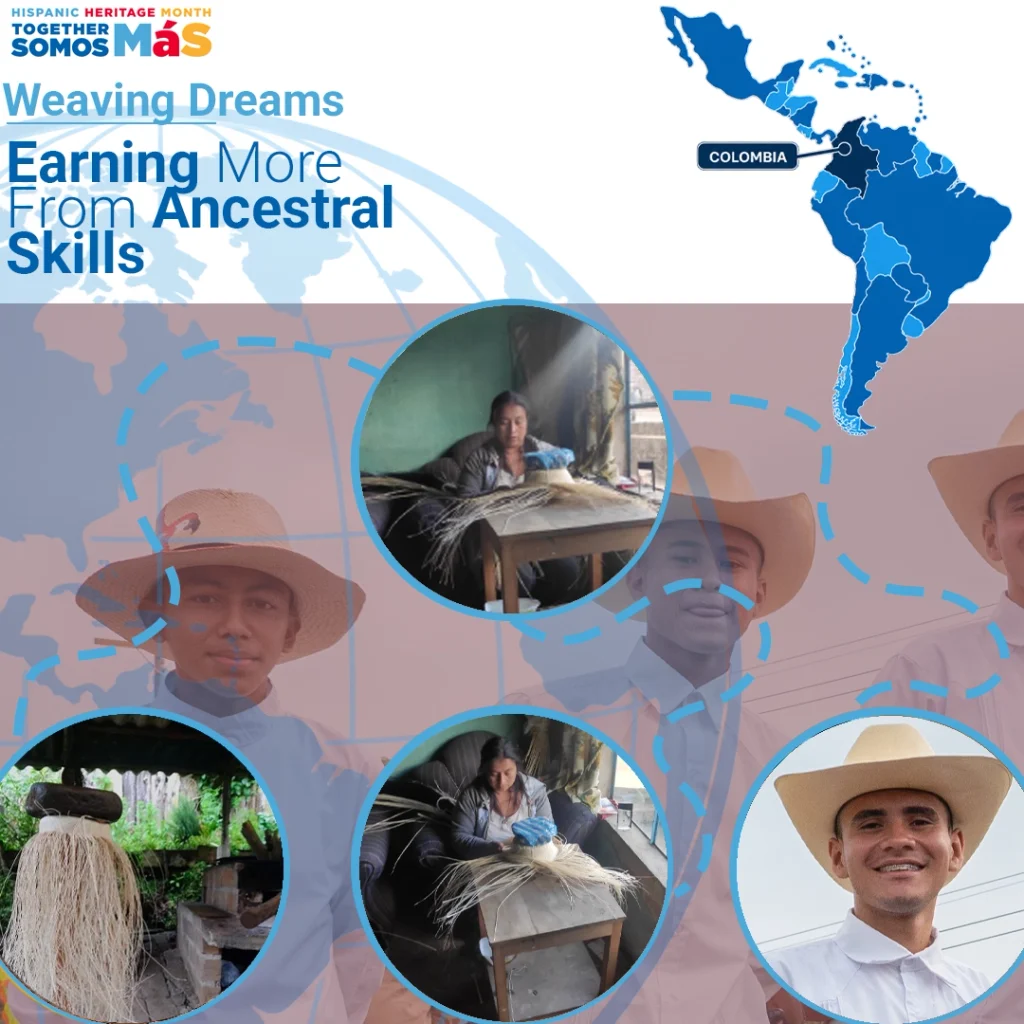
In La Florida, Colombia, making hats from Iraca or Toquilla palm is an established local tradition.
Food For The Poor’s Weaving Dreams: A Better Quality of Life for Artisans project identifies knowledge of ancestral production techniques as one of the community’s strengths. Women play an especially important role in the craft, with the project describing women who combine agricultural work and hatmaking with raising their families.
Yet possessing that knowledge has not guaranteed economic security.
More than 500 people in La Florida make Toquilla or Iraca palm hats, and the project report estimates that income poverty among them exceeds 65 percent. It identifies insufficient capital, lack of machinery and dependence on intermediaries as barriers preventing hatmaking from generating sufficient income.
The problem becomes even clearer when looking at the value chain.
Participating artisans were producing about 10,800 hats per year, but because they lacked the machinery and business organization to finish the products themselves, the unfinished hats were sold to intermediaries for only 20 to 40 percent of their market price. The report says profits increased farther up the value chain, with exporters earning the largest share and artisans the smallest.
Food For The Poor and its partner Minuto de Dios designed the project to help artisans move farther up that value chain without abandoning the traditional craft.
The project combines machinery for finishing products with training in design, financial management, pricing, sales and marketing. It also seeks to connect artisans with local, national and international markets.
Cultural preservation is explicitly part of that strategy. The project seeks to promote the transmission of knowledge from cultural traditions to new generations while making the ancestral activity sustainable and competitive.
Instead of choosing between tradition and economic development, the project tries to make the tradition itself a more viable livelihood.
Guatemala: Connecting Maya Weaving Traditions With International Markets
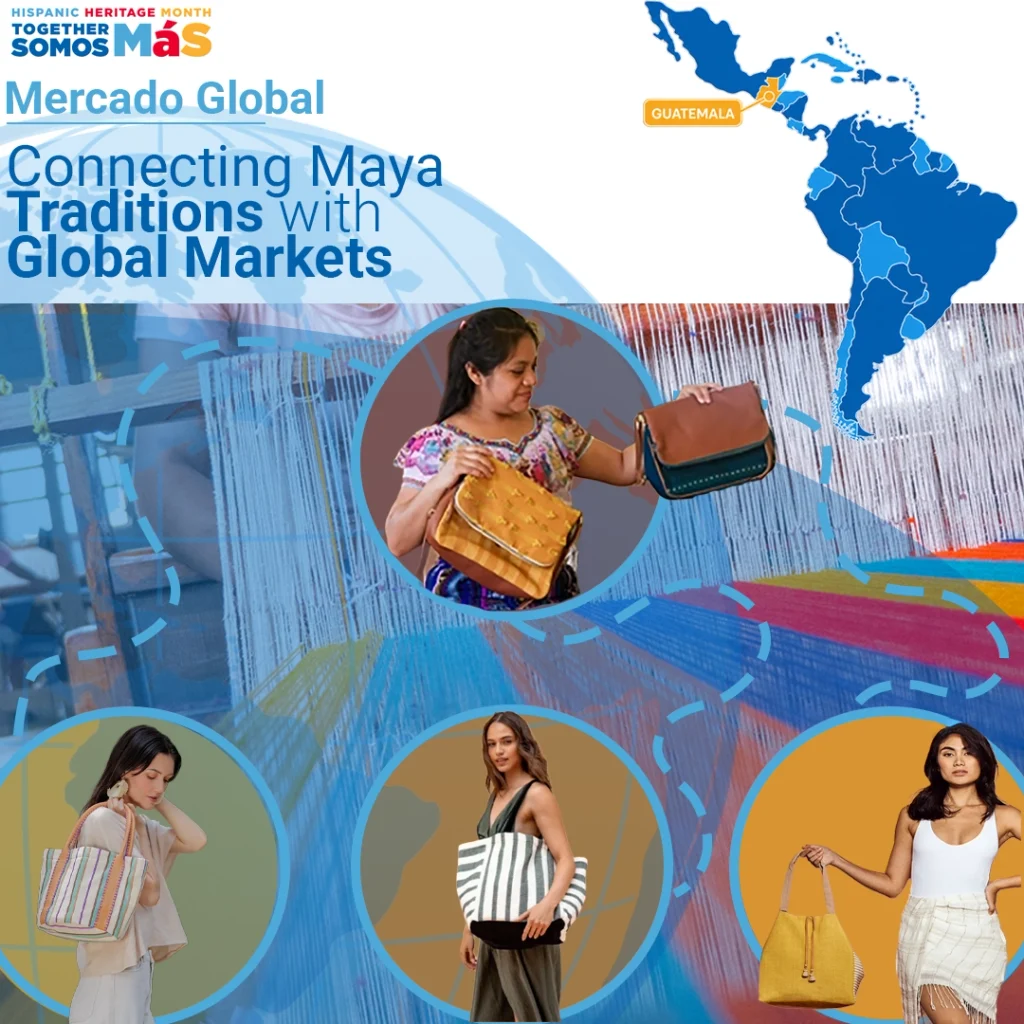
A similar idea can be seen in Guatemala, where Food For The Poor partner Mercado Global works with Indigenous women artisans.
Traditional Maya textile production carries generations of cultural knowledge, but that expertise does not automatically provide women in rural communities with sufficient income.
Mercado Global combines traditional craftsmanship with business development, financial education, equipment and access to international markets. Artisans can receive low-interest microloans to purchase sewing machines or looms and participate in financial literacy programs designed to build savings and improve long-term financial planning.
Traditional techniques remain central to the products. Mercado Global says its collections are created collaboratively with artisans in the Guatemalan highlands and handcrafted using traditional methods. Through that model, rural Indigenous women gain access to international markets that would otherwise be difficult to reach.
Mercado Global reports that 99 percent of its artisans’ children are enrolled in school, 64 percent of artisans have personal bank accounts and 73 percent have access to the food and nutrition they need. These figures are organizational impact data rather than results from an independent evaluation, but they illustrate the broader household outcomes Mercado Global tracks alongside artisan income.
Individual stories show how cultural transmission can continue alongside economic change. Mercado Global has documented women learning additional embroidery, sewing and weaving techniques, using those skills to generate income and teaching them to their daughters.
In this model, preserving Maya craftsmanship does not require keeping production economically isolated. Traditional skills can coexist with contemporary design, financial education and global commerce.
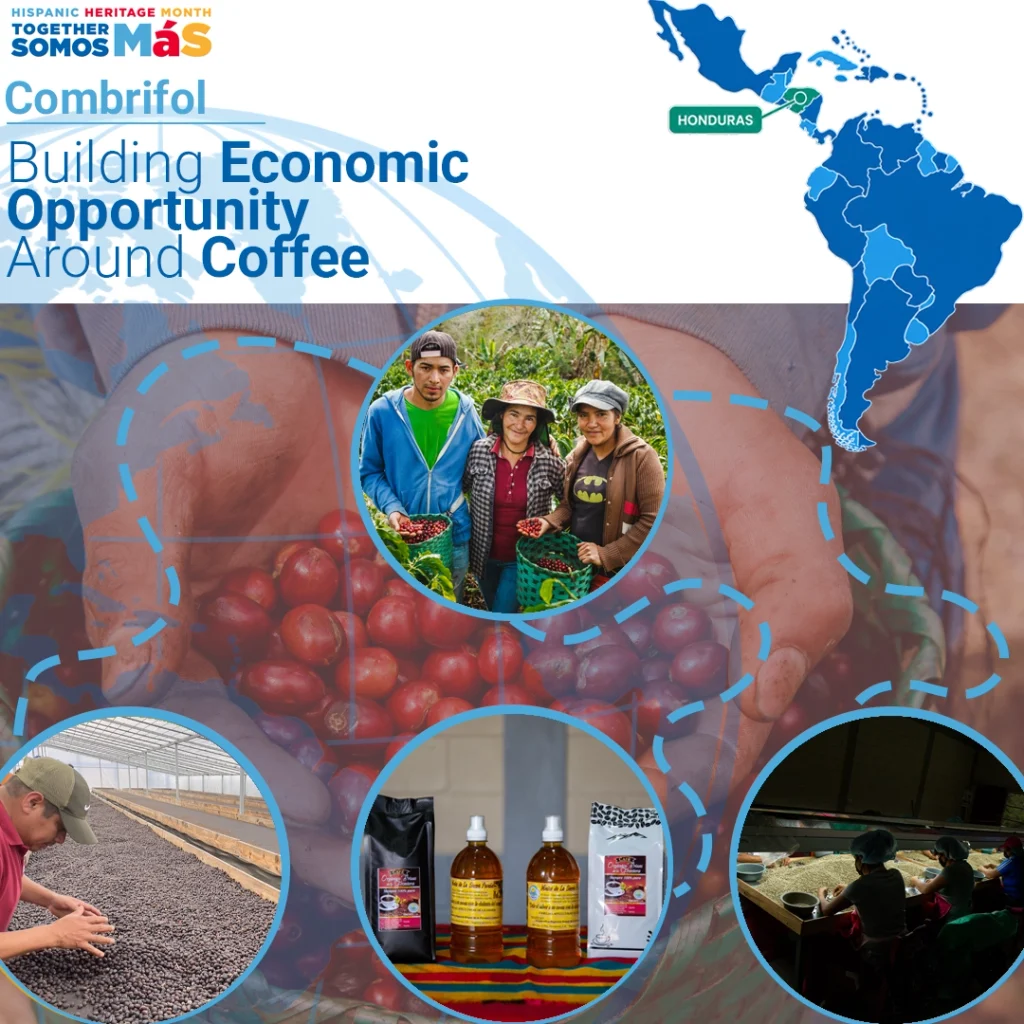
Honduras: Building Economic Opportunity Around Coffee
The connection between cultural traditions and livelihoods extends beyond handicrafts.
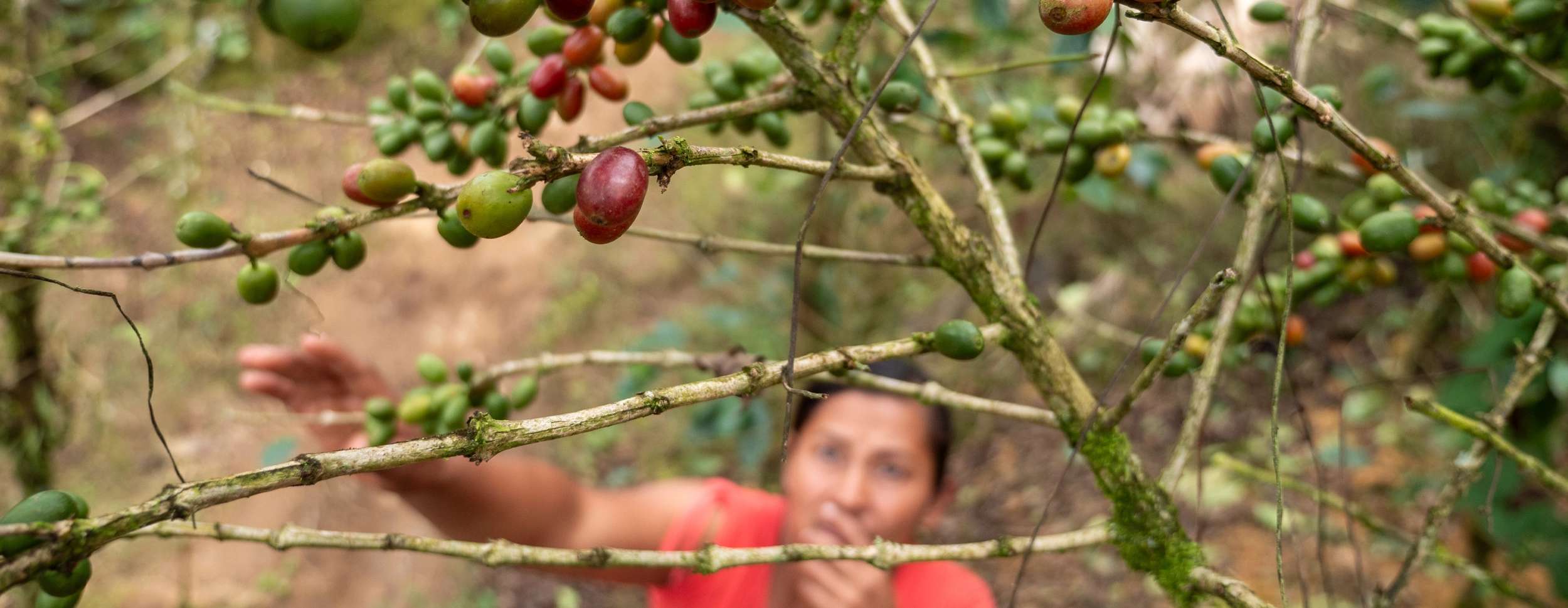
In the Marcala region of Honduras, Food For The Poor and its partner CEPUDO worked with COMBRIFOL, a cooperative serving coffee growers and beekeepers in communities that include Indigenous Lenca families.
Coffee is deeply embedded in the agricultural economy of this region. The relevant heritage connection is not that coffee itself has been formally designated as Lenca cultural heritage, but that farming represents a locally rooted livelihood practiced within a distinctive cultural and agricultural landscape.
The COMBRIFOL project supported 112 coffee growers and 30 beekeepers with agricultural inputs, machinery, training and technical assistance while strengthening the cooperative.
The coffee results were substantial.
Median gross revenue increased from $670.46 at baseline to $2,641.20 at the project’s endline. At the later post-evaluation, median revenue was $2,255.18—below the endline but still considerably higher than baseline.
The project also provides evidence that the livelihood continued after outside support. The 2022 and 2023 production seasons evaluated in the report were funded by the farmers themselves.
Market access was another part of the strategy. COMBRIFOL established relationships with local buyer Pacayal Coffee and Germany’s Café Libertad collective and developed a sustainability plan aimed at increasing exports and pursuing additional opportunities.
The project demonstrates how an established agricultural livelihood can become more productive when farmers gain technical assistance, cooperative capacity and stronger connections to buyers.
Peru: Cacao, Agricultural Knowledge and the KAOKA Partnership
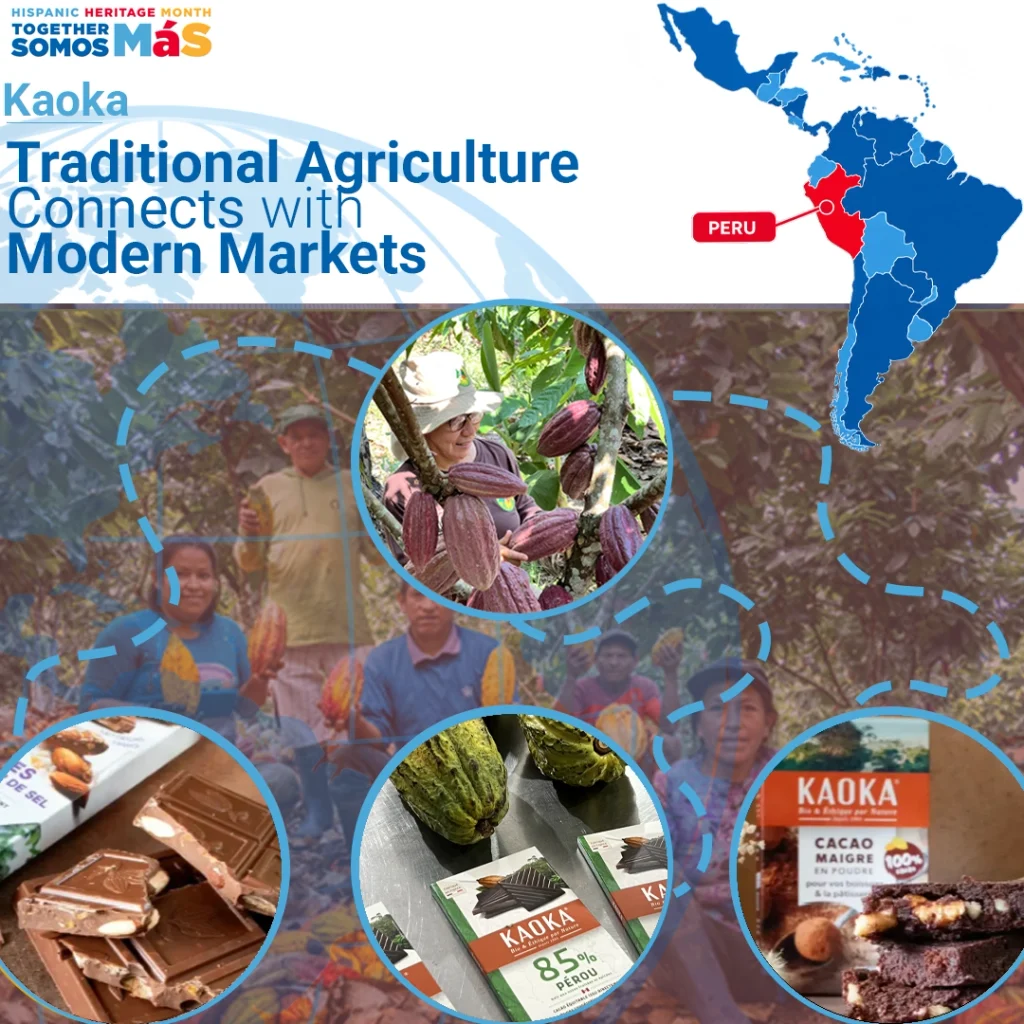
Cacao provides another example of how traditional agricultural livelihoods can connect with modern markets.
In Peru‘s Ucayali region, Food For The Poor has worked with cacao farmers belonging to the Colpa de Loros cooperative, supporting improvements in production, cacao quality, financing, certification and market access.
The cooperative’s relationship with French organic and Fair Trade chocolate company KAOKA shows why long-term market connections can matter.
KAOKA reports that between 2013 and 2015, it was searching for producers of fine cacao while farmers in the region were looking for stable outlets for their crop. The relationship contributed to the establishment of the Colpa de Loros cooperative in 2015.
The supply chain expanded dramatically. KAOKA reports that exports grew from 25 metric tons of organic and Fair Trade cacao in 2015 to 1,050 tons six years later.
But the partnership isn’t only about selling more cacao.
The region’s soils had been damaged by years of intensive coca cultivation. KAOKA and participating farmers have worked on soil restoration through agroforestry, legumes, organic matter, composting and other approaches intended to improve the long-term viability of cacao farming.
Food For The Poor’s work adds technical training, quality improvements, cooperative development and access to financing.
The result is not an attempt to preserve agriculture exactly as it was practiced in the past. It is a model in which existing agricultural knowledge is strengthened with new science, technology, environmental practices and market opportunities.
Cultural Heritage Can Create Opportunity Beyond Tourism
Cusco shows why cultural heritage and economic development are often associated with tourism.
Tourism can generate jobs and markets for local businesses, and it will continue to be important throughout Latin America. But the experiences of artisans and farmers in Colombia, Guatemala, Honduras and Peru point toward something broader.
People do not always need to bring tourists to their culture to create economic value from cultural heritage.
An artisan in Colombia can sell a finished Iraca product into a wider market.
A Maya artisan in Guatemala can combine traditional weaving with contemporary designs sold internationally.
A cooperative in Honduras can connect coffee produced by small farmers with overseas buyers.
Cacao farmers in Peru can combine agricultural knowledge and biodiversity with quality standards and a long-term international market.
These models shift attention from the visitor to the producer.
And that raises a critical question for heritage-based economic development: Who captures the value?
La Florida demonstrates why the question matters. The artisans were already producing goods for which there was a market. Their disadvantage came partly from their position at the bottom of the value chain, where the people doing the traditional work earned less while intermediaries, finishers and exporters captured progressively greater value.
Simply commercializing cultural heritage, therefore, does not guarantee poverty reduction.
Families need the ability to participate more fully in the businesses built around their knowledge—through productive assets, organization, financial skills, access to financing, stronger negotiating positions and direct connections to markets.
Preserving Heritage by Investing in the People Who Practice It
Hispanic Heritage Month provides an opportunity to recognize the extraordinary diversity of Latin America’s cultures. That includes the Indigenous traditions that predate Spanish colonization as well as the Indigenous, European, African and mixed influences that have shaped the region since.
Preserving those traditions should not require communities to remain economically frozen in the past.
An artisan in Colombia can practice ancestral weaving while using modern equipment to finish and market her products.
A Maya artisan in Guatemala can preserve textile traditions while building financial independence.
A Lenca coffee farmer in Honduras can build on an established agricultural livelihood while improving productivity and reaching international buyers.
And cacao farmers in Peru can maintain locally rooted agricultural knowledge while adopting agroforestry, financing and modern quality standards.
These examples suggest a practical way to think about cultural heritage and poverty alleviation in Latin America.
Traditional knowledge is an asset. But families are more likely to benefit economically when that knowledge is combined with the tools, skills, organization and market access needed to capture more of the value they create.
Helping families build sustainable livelihoods from those assets can do more than increase income. It can help make culturally rooted skills and livelihoods economically viable for another generation.