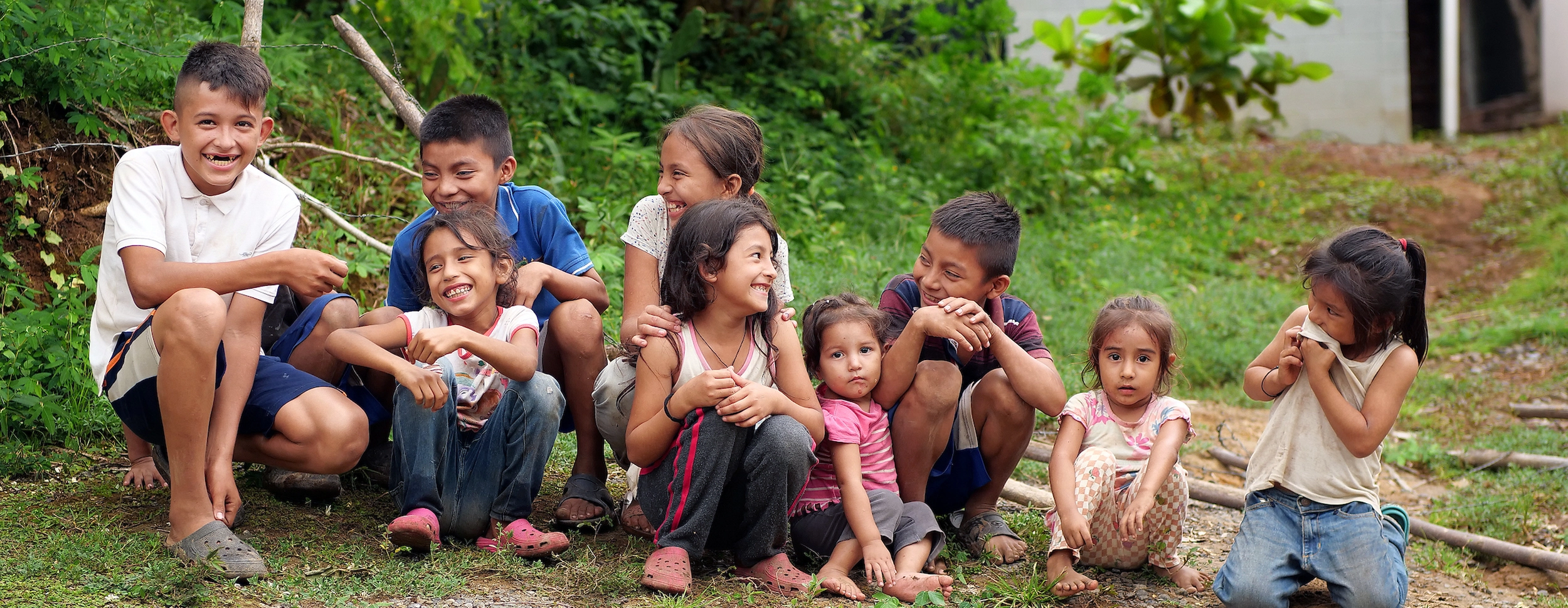
The term street children often brings to mind stereotypes: children who are orphans, delinquents, unwilling to accept help, or responsible for the circumstances in which they live. But research by psychologist Lewis Aptekar, who studied street children in Colombia, and anthropologist Tobias Hecht, whose work examined street-connected children in Brazil, presents a far more complex picture. Their research challenges the tendency to define these children by where they live or how they survive rather than by the circumstances that brought them there.
Across Latin America, the street children crisis is also a visible symptom of deeper poverty and deprivation. Extreme poverty rarely occurs in isolation. Food insecurity, inadequate housing, unemployment, migration, domestic violence, parental death, limited education, and weak social protections can overlap until a family can no longer provide a child with a stable and safe environment. Street-connected children therefore reflect the multidimensional nature of poverty: economic hardship can combine with family instability, violence, exploitation, and lack of opportunity to place children at extraordinary risk.
The stories of Rey, Dulmy, Gerson, and Patricia, all alumni of Food For The Poor’s Angels of Hope program in Honduras, help put these circumstances into human terms. Their childhood experiences were different, but each faced circumstances that disrupted the family support and security children need. Rey ultimately lived on the streets; Dulmy endured abandonment, child labor, and abuse; Gerson experienced poverty, migration, parental rejection, and the death of his mother; and Patricia grew up without her parents after losing her mother at age four. Their stories demonstrate why understanding what happened before a child becomes vulnerable is essential to challenging the myths surrounding street children.
Myth 1: Street Children Are All Orphans
Reality: A child can have living parents or relatives and still lack a safe and stable family environment.
Being street-connected is not the same as being an orphan. Family separation can result from poverty, migration, abandonment, abuse, parental death, or a family’s inability or unwillingness to care for a child.
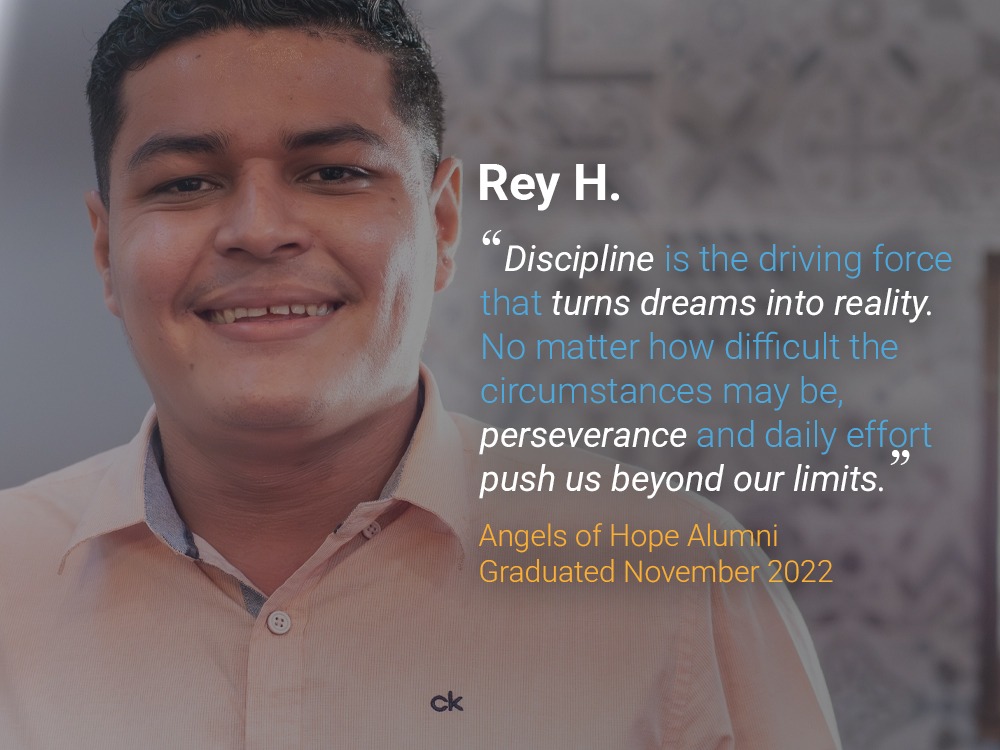
Rey’s experience illustrates this distinction. His mother gave him up for adoption when he was only six months old. His first adoptive family later arranged for him to live with another family. When that family encountered financial hardship, Rey was left without a home and eventually found himself living on the streets. His biological mother was alive, but that did not provide him with the parental protection or stability he needed.
Gerson’s circumstances were different but demonstrate another form of family separation. His father immigrated to the United States when Gerson was three. His mother struggled to support her sons and later died from complications during childbirth. When 13-year-old Gerson asked his father for help, his father refused, telling him he was old enough to earn his own living.
Dulmy also had living parents, yet neither provided a safe home. Her mother abandoned her at four, while her father rejected her. She was eventually returned to her father’s household, where she experienced severe abuse.
Their experiences challenge the idea that having a living parent necessarily means having a functioning family safety net.
Myth 2: They Choose Street Life
Reality: What appears to be a choice may be the result of circumstances that leave a child with few safe alternatives.
Hecht’s ethnographic work in Brazil challenged simplistic explanations of why children live and work on the streets. Street life must be considered in the context of poverty, family relationships, violence, economic survival, and the alternatives actually available to a child.
For Rey, living on the streets was not a lifestyle choice. Two family placements had failed, and when the second family could no longer care for him, he had nowhere else to go. He remembers sleeping on cardboard, experiencing constant hunger, and begging for enough money to buy something to eat.
Dulmy’s childhood shows how economic exploitation can push vulnerable children toward street-based activities even when they technically have somewhere to live. As a young child, she was forced by a caregiver to sell tortillas and bread rather than attend school. Later, she endured severe physical and emotional abuse after returning to her father’s household.
Gerson faced another version of the same problem. After losing his mother, his father refused to support him and told him at age 13 that he should earn his own living.
These experiences raise a more useful question than Why would a child choose the street?: What circumstances left the child without a safer choice?
Myth 3: Street Children Are Criminals
Reality: A child’s efforts to survive should not define the child’s character.
Aptekar’s research in Colombia challenged negative perceptions of street children by examining their behavior within the circumstances in which they lived. Hecht likewise explored how society and institutions can view street-connected children primarily through the lens of delinquency rather than vulnerability.
Rey’s story demonstrates the danger of that stereotype. On the streets, he was surrounded by drugs, alcohol, weapons, and violence—but he was also a victim of that environment. He was assaulted repeatedly, and one attack was so severe that he spent three days in intensive care and nearly died. People saw another “street kid,” while behind that label was a child struggling with hunger, abandonment, trauma, and homelessness.
Dulmy’s story provides another reminder that children living in dangerous circumstances may be victims rather than perpetrators. She endured years of exploitation and abuse, culminating in a crisis so severe that she attempted to take her own life. A teacher’s recognition of the abuse eventually helped bring outside intervention.
Poverty and exposure to violence do not make a child a criminal. Understanding the conditions surrounding a child’s behavior is essential to understanding the child.
Myth 4: Street Children Cannot Build Successful Futures
Reality: Safety, education, mentorship, and opportunity can fundamentally change a child’s trajectory.
Research into programs serving street-connected children has shown why effective interventions need to extend beyond simply providing a bed. Children may need education, vocational preparation, healthcare, emotional support, mentorship, stable relationships, and opportunities to develop independence.
The experiences of Angels of Hope alumni demonstrate what those opportunities can make possible.
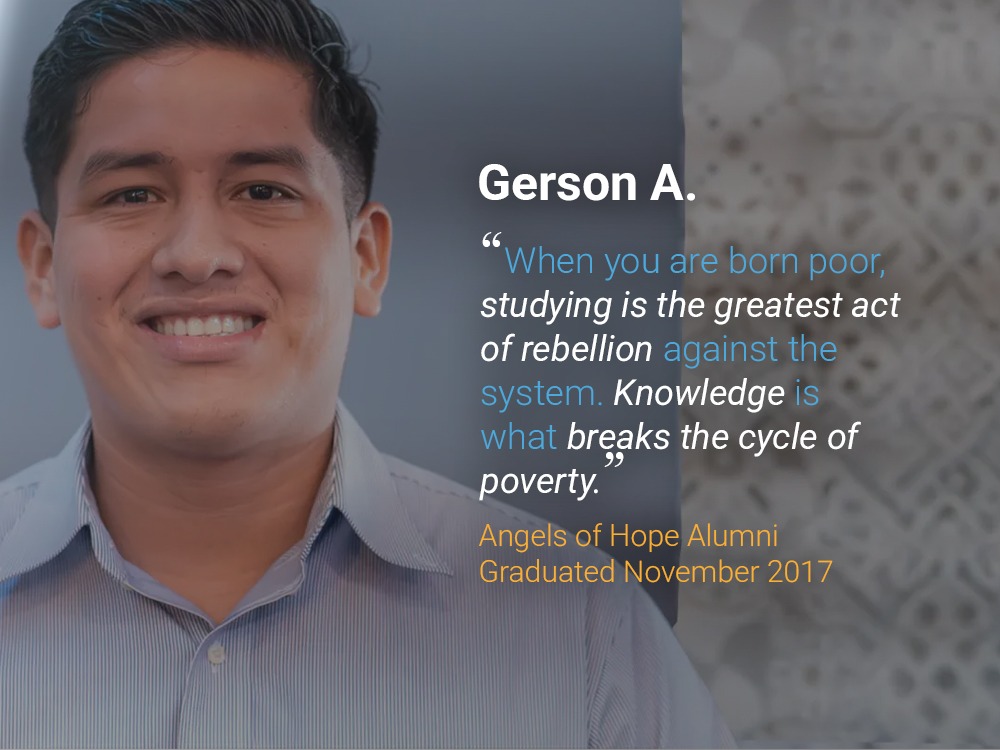
For Gerson, education became an act of resistance against poverty. After entering the Angels of Hope home, he completed high school as an Agricultural Development Technician and later earned a university degree in Administrative Agricultural Engineering. Today, he works with vulnerable rural communities and also teaches young adults agricultural production skills.
His philosophy is captured in his own words:
“When you are born poor, studying is the greatest act of rebellion against the system.”
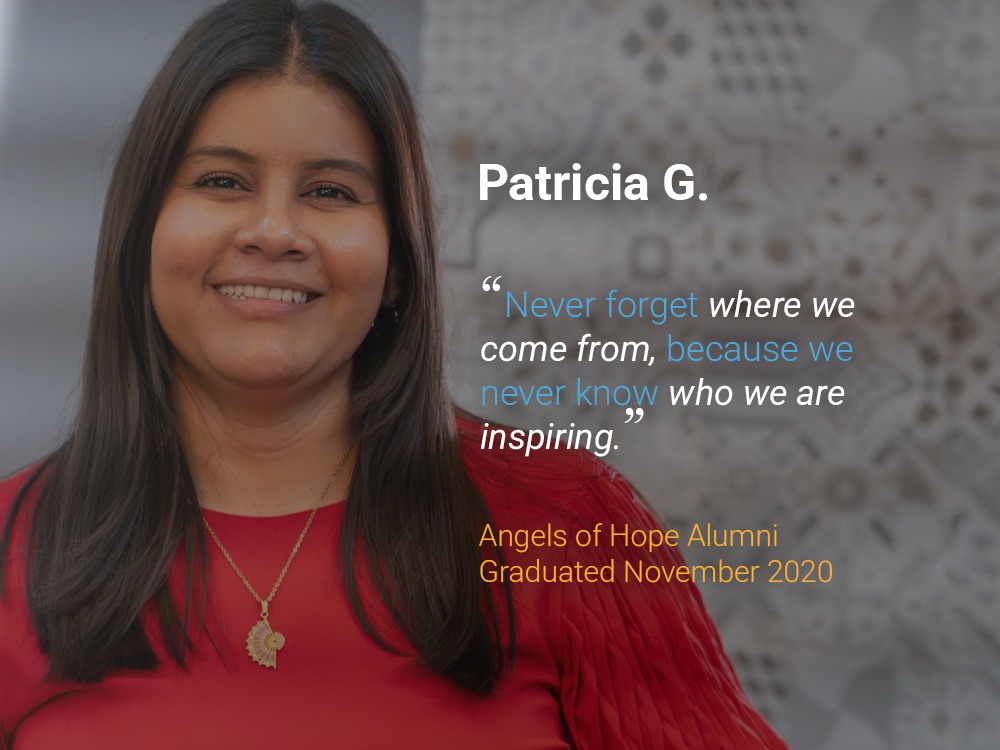
For Patricia, growing up at the Angels of Hope home opened a path to higher education. She earned a scholarship to study Social Work at the National Autonomous University of Honduras, graduating in 2020. She subsequently worked with organizations including Save the Children, UNHCR, IOM, Casa Alianza, and CASM, supporting vulnerable communities, migrants, and children whose rights had been violated. Today, she continues to volunteer in community development initiatives and hopes to pursue a master’s degree in Public Policy.
Rey turned his childhood dream of working in aviation into a profession. After graduating with honors and completing aviation training, he became an instructor teaching future aviation professionals subjects including aviation safety, first aid, and customer service.
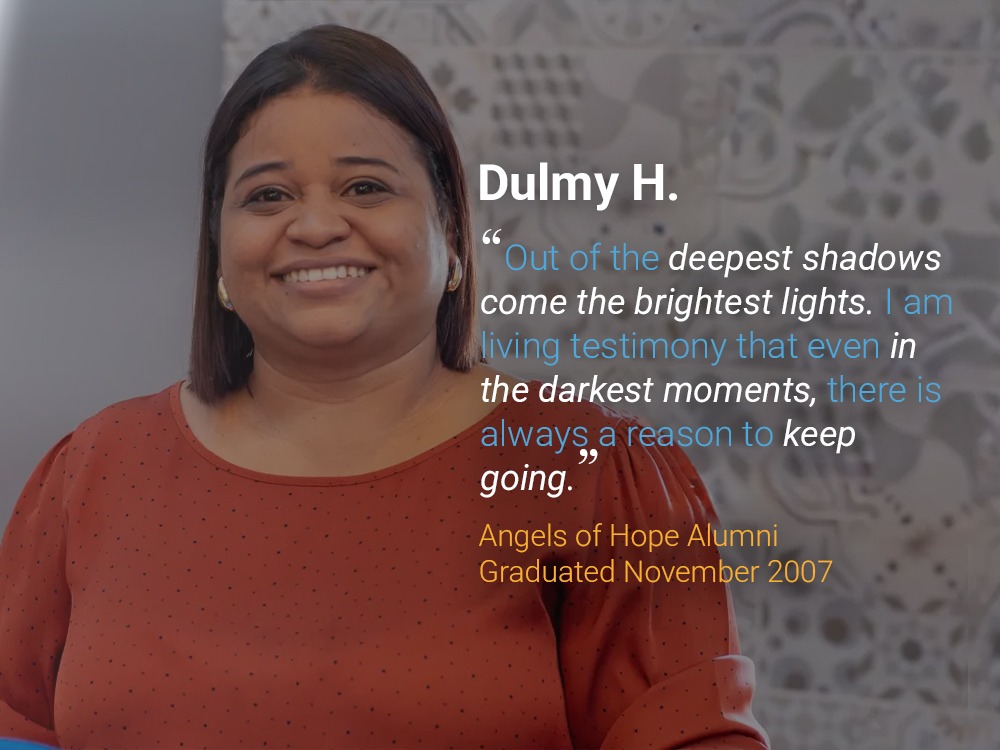
And Dulmy, who once experienced abandonment, exploitation, and abuse, now has a family of her own and serves as Coordinator of the Angels of Hope Program in the Choloma area, mentoring vulnerable children and providing the encouragement she once needed herself.
Their stories challenge perhaps the most damaging assumption of all: that a child’s circumstances determine the limits of his or her future.
Myth 5: Nothing Can Help Them
Reality: The right combination of interventions can change the trajectory of a child’s life.
Food, clothing, and shelter are essential because a hungry or homeless child first needs safety. But meeting immediate physical needs is only the beginning. Children who have experienced abandonment, violence, exploitation, or prolonged poverty may also need education, counseling, mentorship, stable relationships, vocational opportunities, and adults who consistently believe in their potential.
Rey’s transformation illustrates why this broader approach matters. At the Angels of Hope children’s home, he received nutritious meals, education, and stability. But he also found something that had been missing throughout much of his childhood: people who genuinely cared about him. The home helped address the emotional wounds created by abandonment and life on the streets while giving him opportunities to develop confidence and independence.
The same pattern appears in the other alumni stories. Dulmy credits the Girls’ Home with providing emotional support, spiritual guidance, education, counseling, and mentorship after years of abuse. Gerson describes mentors who helped him see education as a pathway to a different future. Patricia credits the people at the Angels of Hope home with believing in her potential and inspiring her to become a role model for other vulnerable children.
The lesson is not that one intervention can erase a difficult childhood. It is that sustained support can give a child the tools and opportunities to build a different future.
Beyond the Label “Street Child”
Perhaps the most important lesson from the research of Aptekar and Hecht—and from the experiences of Rey and other Angels of Hope alumni—is that “street child” describes a circumstance, not a child’s identity, character, or potential.
Rey’s childhood included abandonment, failed family placements, homelessness, hunger, violence, and nights sleeping on cardboard. Today, he teaches future aviation professionals. Gerson transformed the experience of poverty and family loss into a career serving vulnerable rural communities. Patricia turned the support she received as a child into a commitment to social work and community leadership. Dulmy transformed her experience of abuse into a determination to support vulnerable children facing circumstances she understands firsthand.
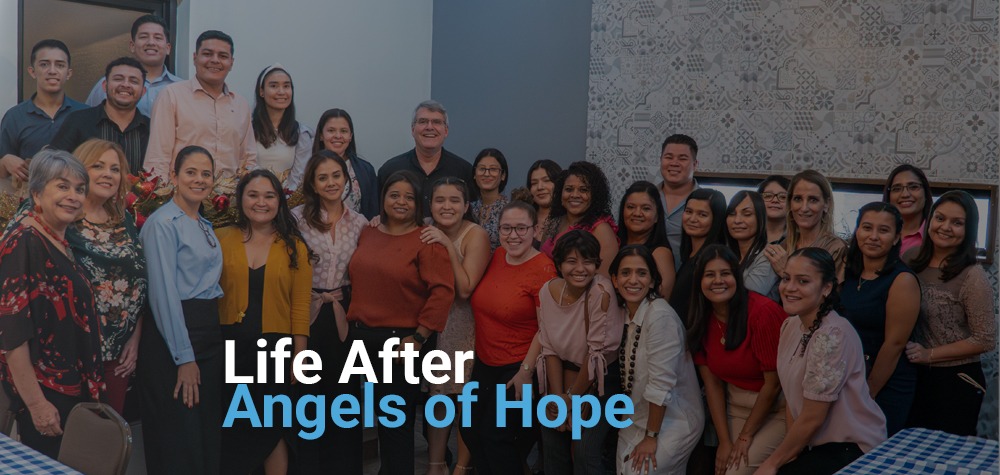
Their stories also point toward a broader lesson about poverty—and about life after the Angels of Hope program. Helping vulnerable children requires looking beyond what is immediately visible. A child living or working on the street may be experiencing the consequences of family poverty, migration, abuse, hunger, parental loss, or social exclusion. Addressing those underlying conditions—and providing safety, education, mentorship, and opportunity—can help children overcome these challenges and prepare for an independent future beyond the program.
A child should never be defined by where they sleep or by the circumstances into which they were born. Life after the Angels of Hope program shows what can become possible when a child is given a safe place to grow, an education, people who believe in them, and a genuine opportunity to build a future. The journeys of Rey, Gerson, Patricia, and Dulmy demonstrate that the support children receive today can continue to shape their lives long after they leave the program.