Honoring Lenca Tradition, Community, and the Land
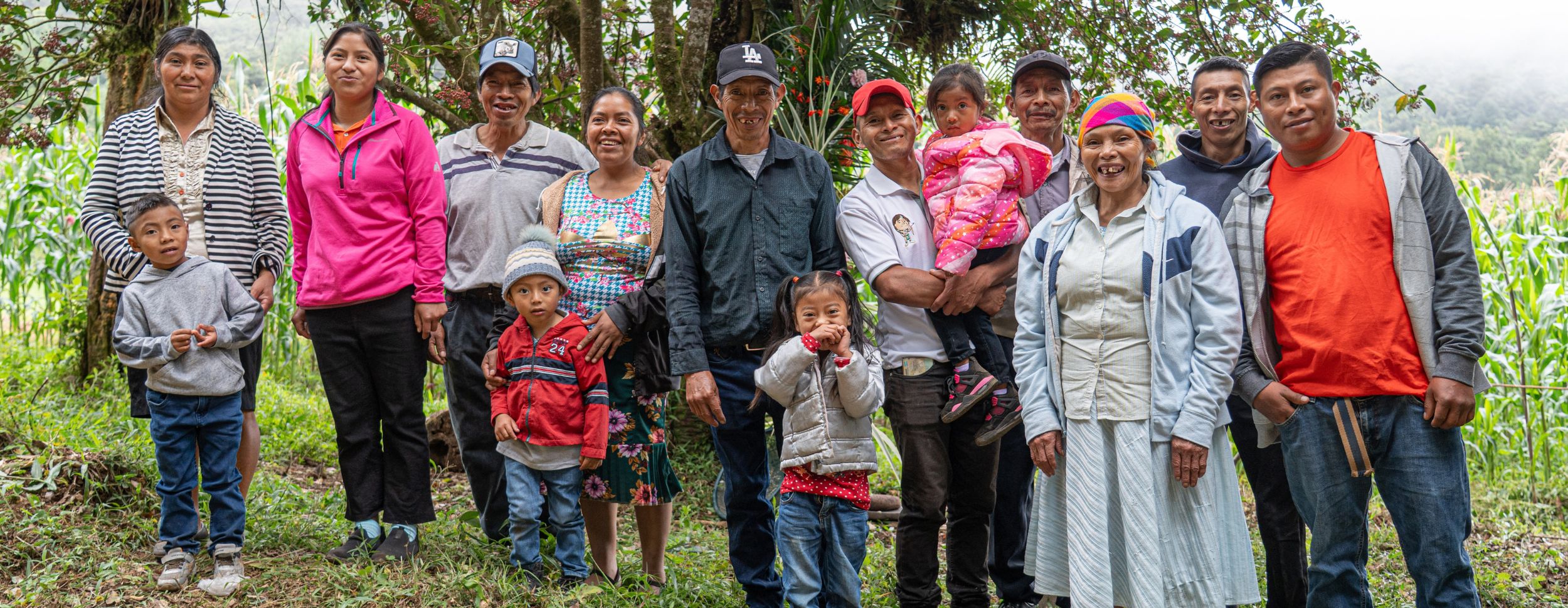
For generations, Lenca families in Honduras have gathered to give thanks, ask for protection and honor their connection to the land. One tradition brings these values together: La Compostura.
In the mountainous department of Intibucá, the Lenca people—the largest Indigenous group in Honduras—continue to preserve traditions that connect family, agriculture, spirituality and community.
Corn, beans, potatoes, mushrooms and vegetables are important crops in these communities, where small-scale agriculture remains closely connected to family life, livelihoods and cultural traditions. But the relationship with the land goes beyond the material. The territory, agricultural cycles, natural phenomena, and family well-being are connected to a spiritual dimension, expressed through practices and knowledge passed down through generations.
What is La Compostura?
La Compostura is a traditional Lenca ceremony in Honduras that combines Indigenous spirituality with Catholic symbols and practices. The ceremony is a way to give thanks, ask for protection and seek balance among people, the land and the spiritual world.
When is La Compostura Performed?
This practice is performed at different times throughout the year: before planting and during the agricultural cycle to request good harvests and protect animals and crops; during times of illness or hardship; and during family or community celebrations.
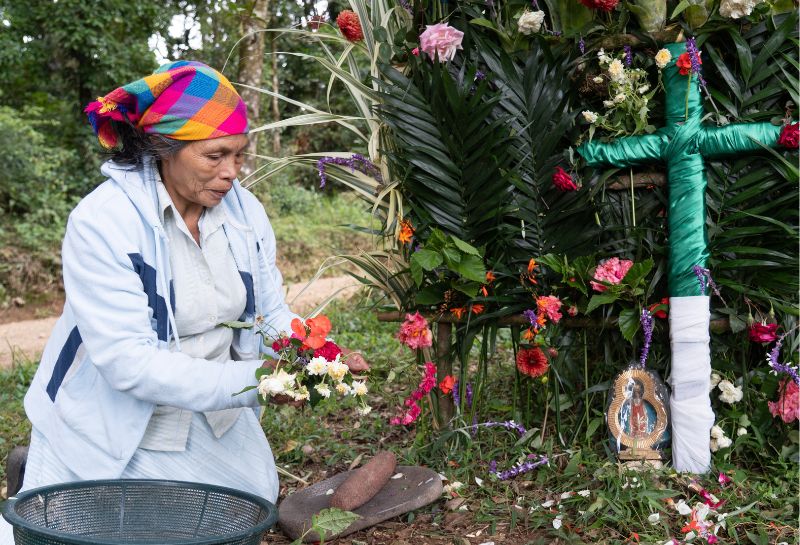
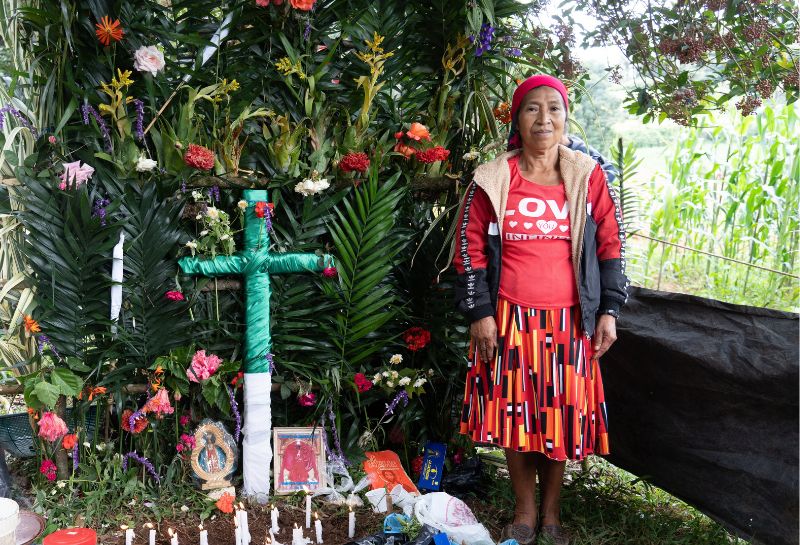
The ceremony includes natural and religious elements. Altars are decorated with fresh vegetation, crosses, and sacred images. Chicha, a traditional corn-based beverage, is also offered as a tribute. Each element demonstrates the union between spirituality, agriculture, and territory.
Maria, a 55-year-old spiritual leader in the community, describes La Compostura as a connection between faith, health, and land: “La Compostura gives us health and peace. Look at this altar: it’s green and vibrant. Practicing these traditions makes one flourish, while abandoning them can cause one to wither. We perform La Compostura to ask for a good harvest. Everything we possess comes from the land.”
How Lenca Families Pass Down La Compostura
The knowledge to perform La Compostura is mainly transmitted orally, through parents, grandparents, and other elders in the community.
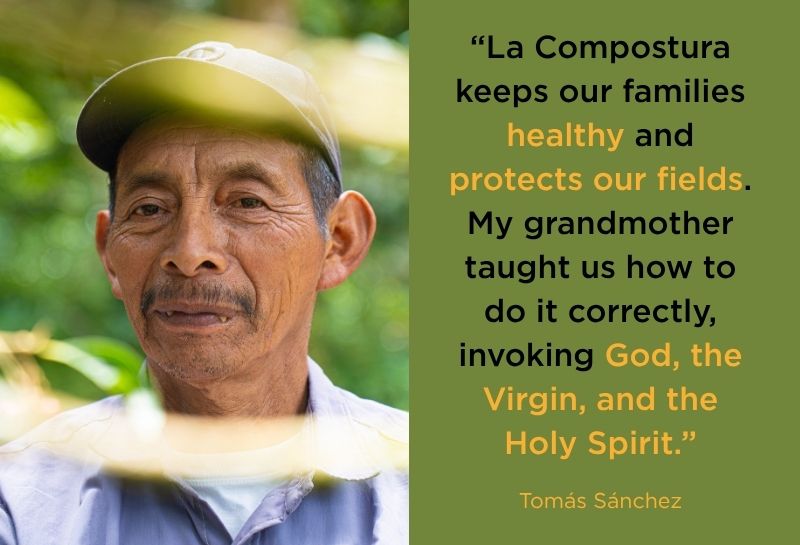
Tomás, 64 years old, learned the practice from his grandmother and relates it to protecting the family and the fields: “La Compostura keeps our families healthy and protects our fields. My grandmother taught us how to do it correctly, invoking God, the Virgin, and the Holy Spirit.”
The tradition also includes knowledge about the use of natural resources. Don Aniceto, one of the elders in the community, explains the role of chicha in the relationship between spirituality, territory, and traditional knowledge: “Chicha is our offering to Mother Earth, but it’s also our medicine for fevers and illnesses.”
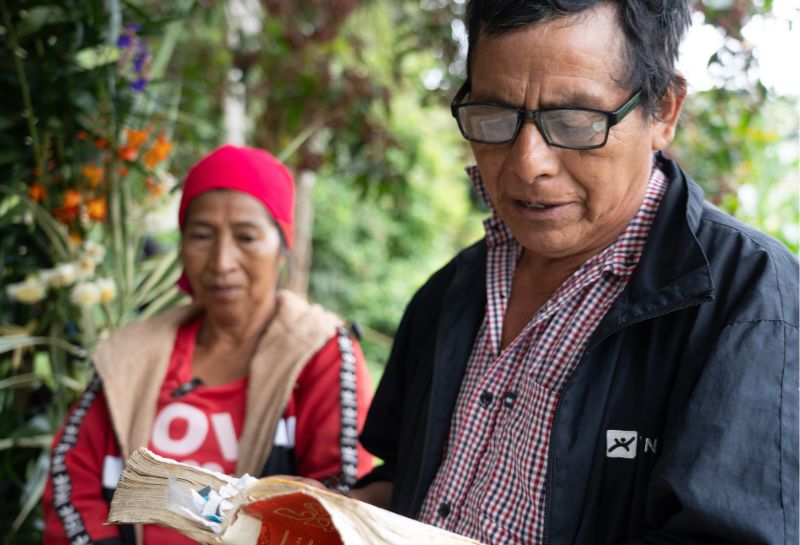
This knowledge is part of a collective memory that includes spiritual, agricultural, and traditional medicinal practices, kept alive through the bond that unites generations.
For Martina, 37 years old, this transmission is a family responsibility: “I will continue teaching this to my children so they can pass it on to theirs.”
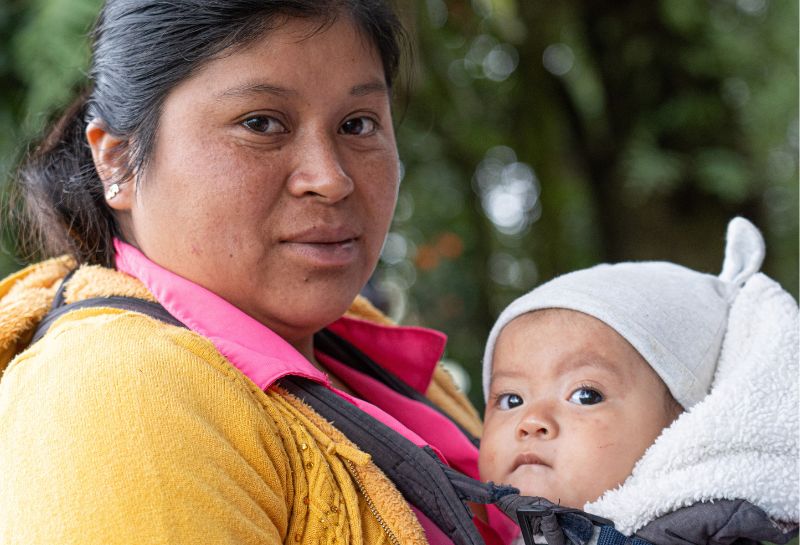
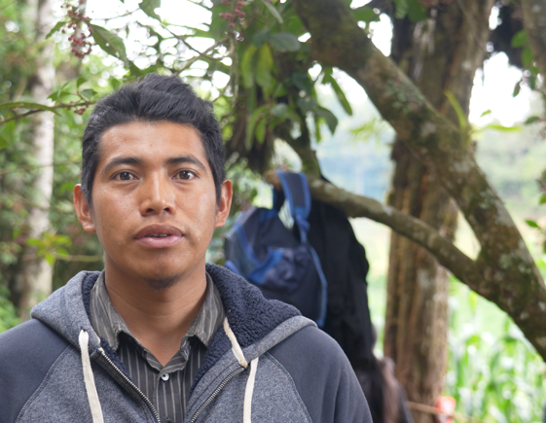
The continuation of this Lenca tradition also depends on the youth. Ángel, 27 years old, is part of a generation still learning and participating in these traditions: “Although we are young and still learning, we trust completely in this work. We keep teaching these steps to our own children so that our community’s way of life does not disappear.”
How This Lenca Tradition Lives On
La Compostura is a living example of Lenca cultural continuity and the special bond that unites territory, spirituality, agriculture, family, and memory.
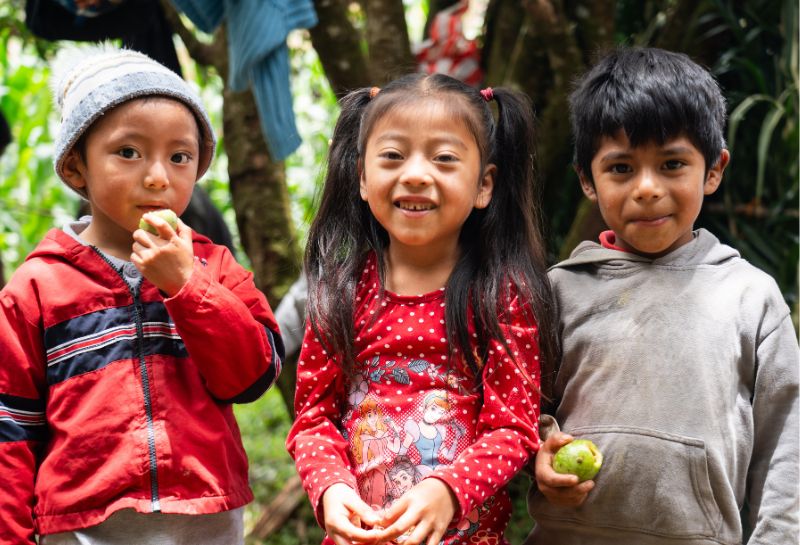
During the ceremony, many children accompanied their families and elders, attentively participating in each moment. This highlights an important aspect of this heritage: tradition is lived, learned, and transmitted for the future. Over time, children will learn this knowledge and practices from their elders and share them with their own families and community.
In San Buenaventura, La Compostura continues to connect generations to one another and to the land around them. Its future depends not only on remembering the tradition, but on continuing to practice it, teach it and make space for younger generations to carry it forward.
For the Lenca families who participate, La Compostura is more than a ceremony. It is a living expression of culture, faith, gratitude and connection—a tradition that continues to grow with each generation.
This Hispanic Heritage Month, Food For The Poor celebrates the people, traditions, cultures, and communities that make Latin America and the Caribbean so rich and diverse. Help families build brighter futures while honoring the cultural heritage that makes them unique.