During National Hispanic Heritage Month, Food For The Poor is proud to spotlight team members of Hispanic descent who share our mission to help people living in extreme poverty in Latin America and the Caribbean. Each week, we’ll highlight a different member who will share their story.
Born to Serve: Keren Quintanilla’s Journey to Food For The Poor
Keren Quintanilla was barely in elementary school when she began her path to a career of helping the less fortunate.
By the time she was 8 years old, she was accompanying her parents, development workers in El Salvador, as they served families living in extreme poverty. Many lived in homes made of mud and sheet metal and had little, if any, income.
“It was a very harsh reality,” Keren said. “That stayed with me.”
Today, Keren is Food For The Poor’s country program manager for El Salvador and Mexico. Based in El Salvador, she joined the organization in April 2026, bringing nearly two decades of experience in social development.
Keren grew up in San Salvador, El Salvador’s capital. Her parents, Argentina and Rufino, who both came from rural communities, founded ASALDI, an NGO focused on helping vulnerable families. In addition to joining her parents at work, as a teenager she did community service at a home for children living with disabilities.
“Those experiences touched my heart and defined what I wanted for my professional career,” she said.
A bright student, Keren learned to read and write in kindergarten and was admitted to college at 16. That same year, she began volunteering with TECHO, an organization that builds emergency housing for families in extreme poverty. She remained with TECHO for several years, including a time in Panama, before returning home to work in her family’s NGO.
In 2019, Keren joined World Vision El Salvador, where she remained for six years, most recently working on economic empowerment and child well-being projects.
While working with World Vision, she was introduced to Food For The Poor in a collaboration she found intriguing. Rather than implementing existing projects, she saw an opportunity to help shape projects from the start and work with donors, local partners and communities to design projects that fit each community’s needs.
“I saw this as an opportunity to contribute from a different perspective,” she said.
In her role as country program manager, Keren spends a great deal of time with the people Food For The Poor works to help. She admires their warmth, faith, and resilience, even in the face of tremendous challenge.
“El Salvador has experienced conflict, violence, natural disasters and many difficult moments,” she said. “For me, that combination of strength and kindness is one of the most beautiful parts of our identity.”
She points to her mother and her maternal grandmother as role models who exemplify those attributes. Her mother grew up in one of the poorest rural districts in El Salvador and was a teenager when the armed conflict reached her community. She is the only one of five siblings to earn a university degree, and she still works with Keren’s brother, Caleb, at the NGO she co-founded with her husband, who died in 2007.
“From my mother and my grandmother, I learned that resilience is not simply surviving,” she said. “It is having the courage and faith to keep moving forward and create a different story for yourself and for the generations that come after you.”
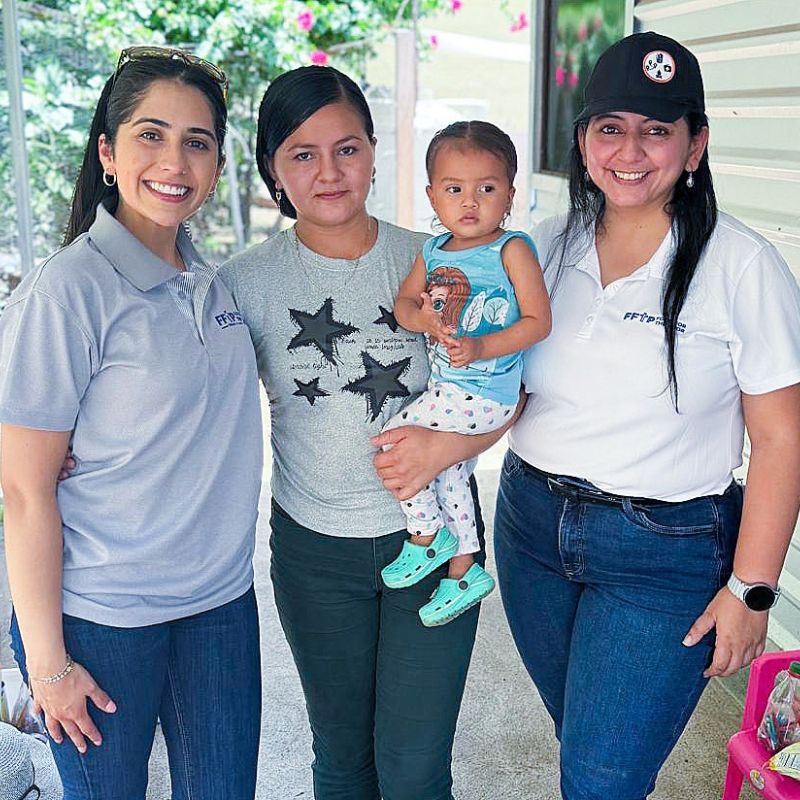
Keren (far right), and Keren Herran (left), with baby Stephanie and her mother, participants in FUSAL’s Early Childhood Program. Stephanie receives regular checkups to monitor her health preventing malnutrition or anemia caused by the food insecurity that families face in vulnerable areas of El Salvador. Photo/Keren Quintanilla 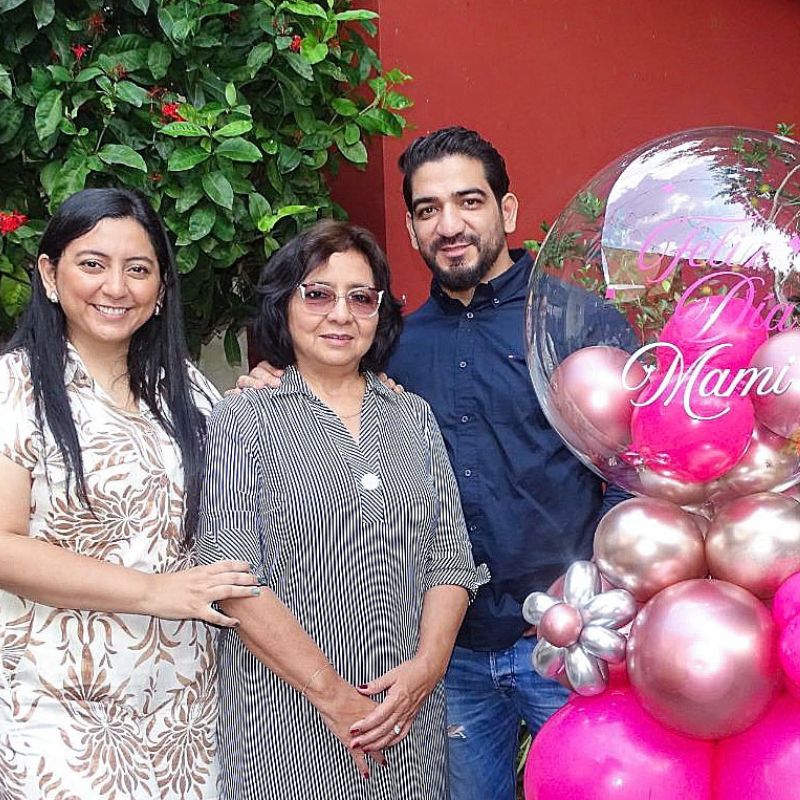
Keren (left) with her mother, Argentina, and her brother, Caleb. Photo/ Keren Quintanilla 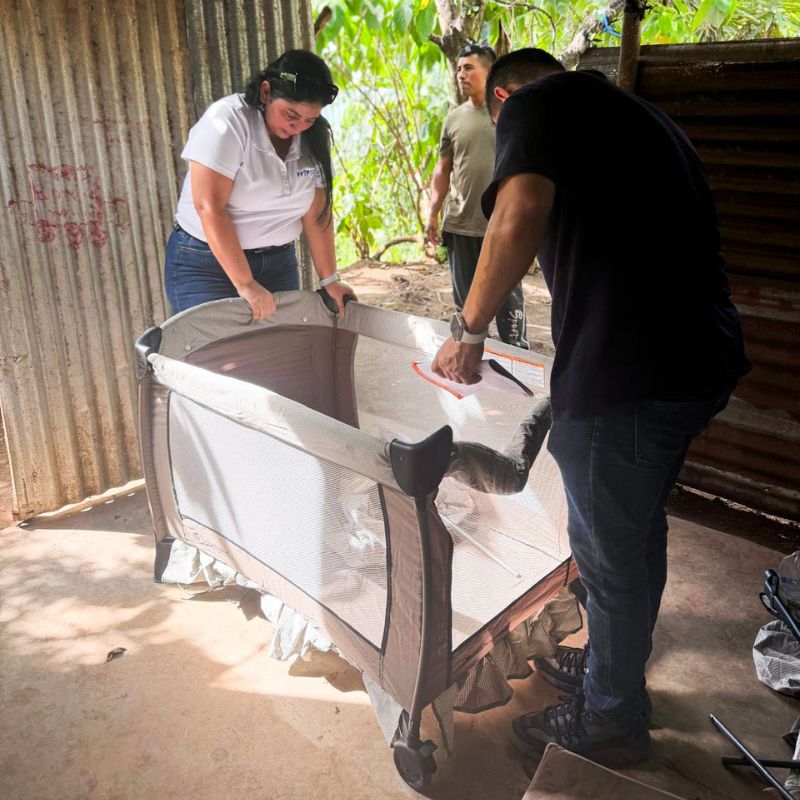
Keren (left), with Elfedo Alvarado, FUSAL’s local early childhood coordinator, as they assemble a donated baby crib during a home visit as part of FUSAL’s early childhood care program. Photo/ Keren Quintanilla 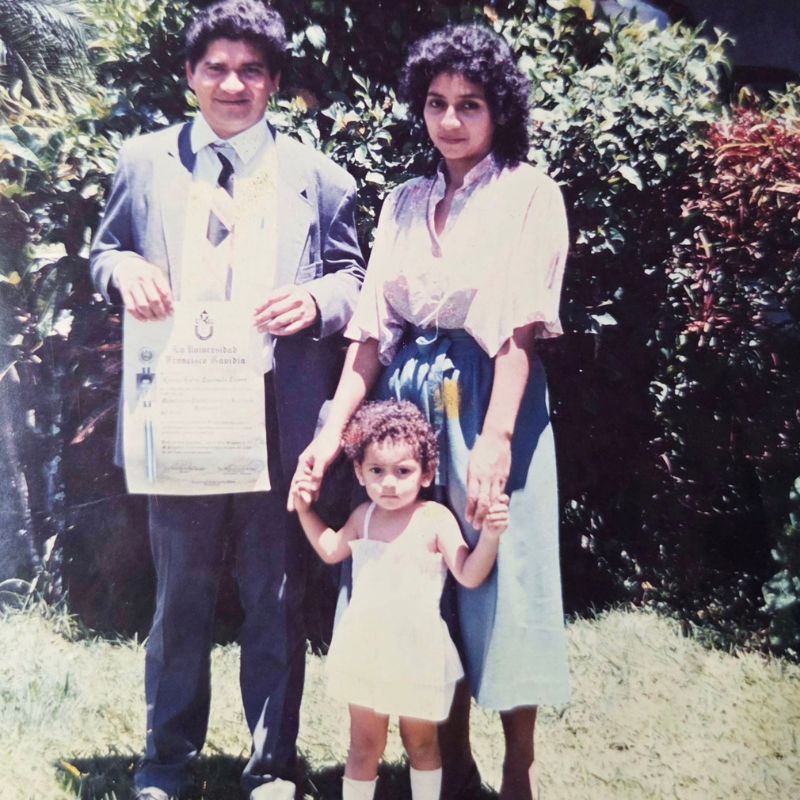
2-year-old Keren with her parents Rufino and Argentina during her father’s college graduation. Photo/ Keren Quintanilla 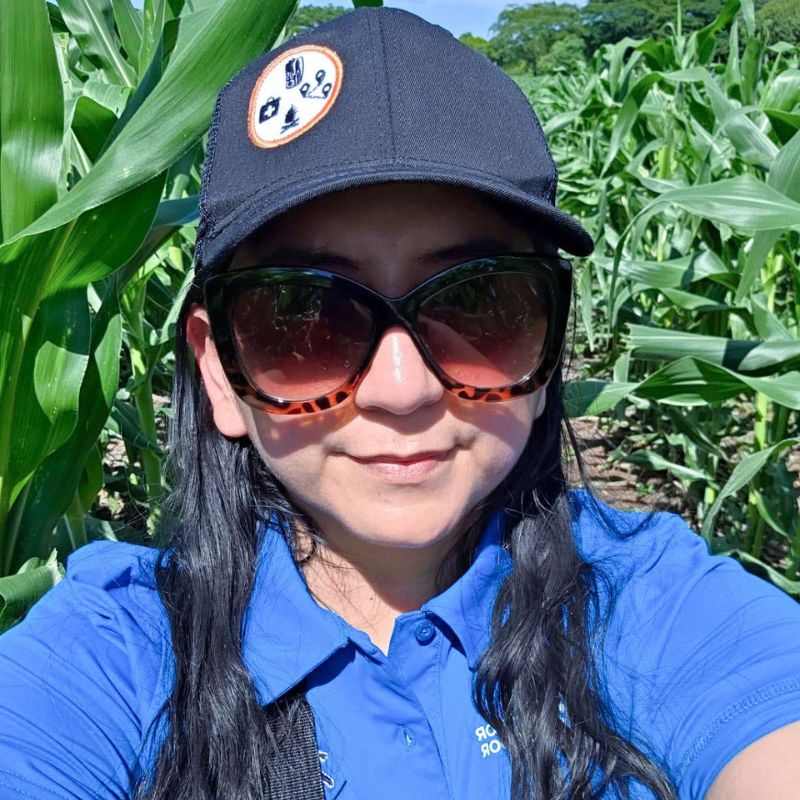
Keren is Food For The Poor’s country program manager for El Salvador and Mexico. Photo/ Keren Quintanilla
For Keren, that same spirit of faith shapes her work at Food For The Poor. She also appreciates the charity’s Hispanic Heritage Month theme, “Together We Are More/Juntos Somos Más.”
“Challenges like poverty and inequality are too complex for any one person or organization to solve alone,” Keren said. “We all bring our own grain of sand. Communities bring their knowledge, dreams, leadership, and determination. Local partners bring experience, and donors and volunteers bring their generosity, time, and trust. Together we create something greater than what any of us could accomplish alone.”
From Colombia to Food For The Poor: A Story of Opportunity and a Dream Fulfilled
Looking back on her life in Colombia, Mildred Callejas believes her job at Food For The Poor fulfills a long-held childhood aspiration.
“I had this dream that I could have a lot of money to buy a piece of land and build a huge house where I could give shelter to all the kids that are living on the streets,” she said. “God didn’t give me the money, but He gave me this opportunity to work with Food For The Poor, so I can help the children.”
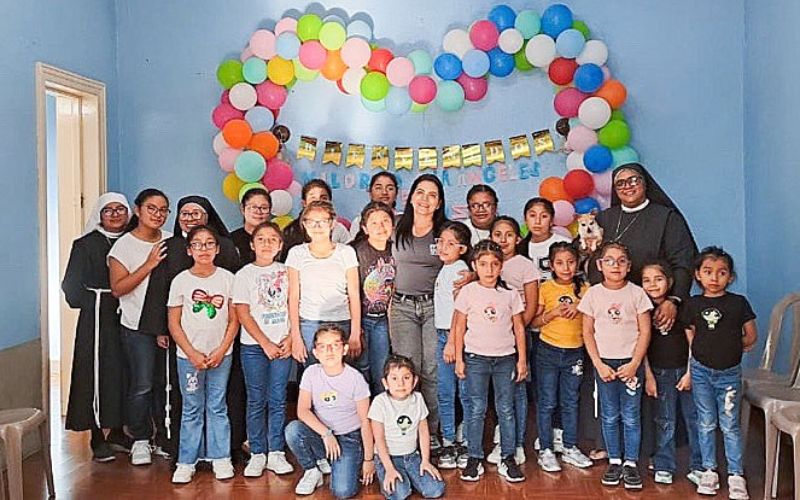
Mildred began her career at Food For The Poor in 2017 as a temporary employee doing data entry work in Donor Gift Processing. Within a few months, she became a full-time employee. In 2019, she transitioned to the Angels Of Hope child sponsorship program, where she processed correspondence between sponsors and children. In 2020, she began her role as an international field manager.
Angels Of Hope provides a haven for children who have faced extreme poverty, abandonment, and other vulnerabilities. The program currently sponsors 8,092 children living in 87 children’s homes in Haiti, Guatemala, Honduras, Mexico, Colombia, and Peru, where they receive food, clothing, shelter, education, and love.
“God put me in this precious program where I can see firsthand those kids getting the help, the hope, and the opportunity to have a better life,” Mildred said.
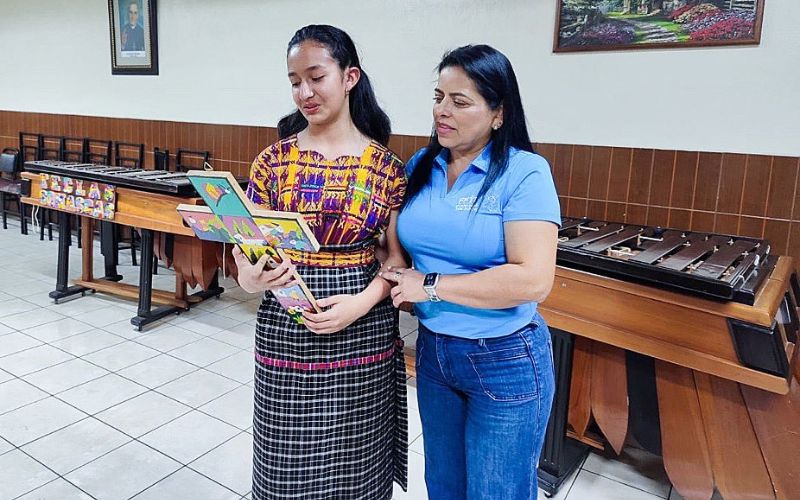
Mildred was 29 years old when she and her daughters, Erika, 6, and Karin, 5, left Ibagué, Colombia, where she worked in accounting and attended college at night. The trio followed her husband, Hernando, who moved to the United States 18 months earlier, at his brother’s urging, after his businesses in Colombia began to struggle.
“We moved here thinking about my daughters’ future,” said Mildred.
The road was not easy, but she and her family persevered. Her husband found work in the production department at a graphics company. Mildred’s path was more circuitous – initially she cleaned houses, then moved on to accounting, real estate, and mortgage lending before she took that temp job at Food For The Poor to earn extra money.
Their sacrifice paid off. Both daughters graduated high school, went to college, earned their bachelor’s and master’s degrees and now have successful careers and families of their own. Along the way, Mildred and Hernando, who passed away in 2021, made sure their daughters and their four grandchildren are deeply connected to their heritage.
“Even though they’ve lived most of their lives in the United States, they’re very proud of their Colombian roots,” she said. “We celebrate Colombian Independence Day, enjoy Colombian music and food, and keep many of our family traditions.”
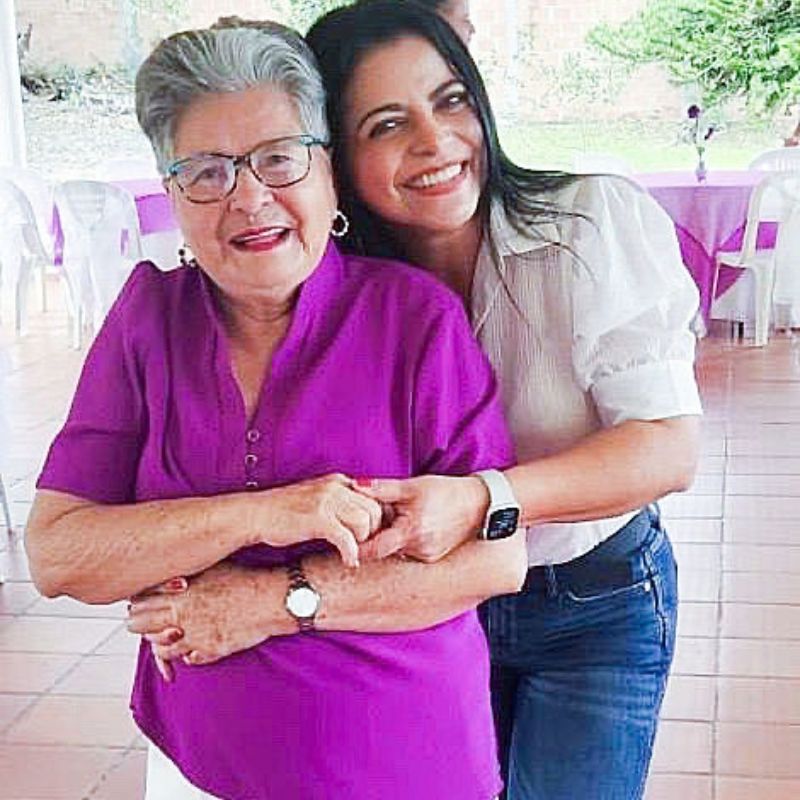
Mildred (right), dancing with her mother, Inocencia, during a visit to see her family in Colombia. Photo/Mildred Callejas 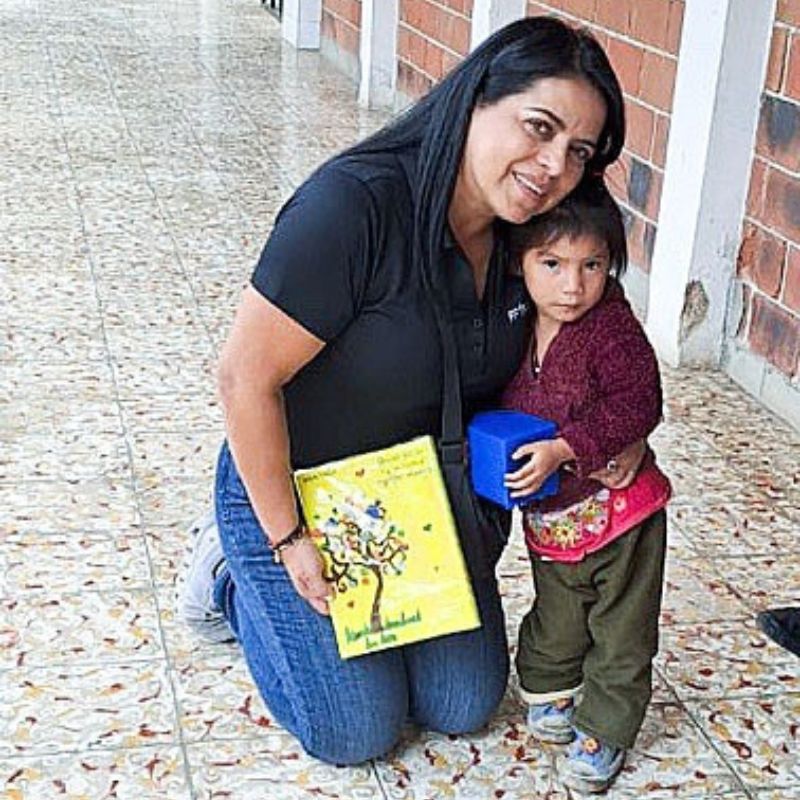
Mildred with a resident of an Angels Of Hope home in Guatemala. Photo/Mildred Callejas 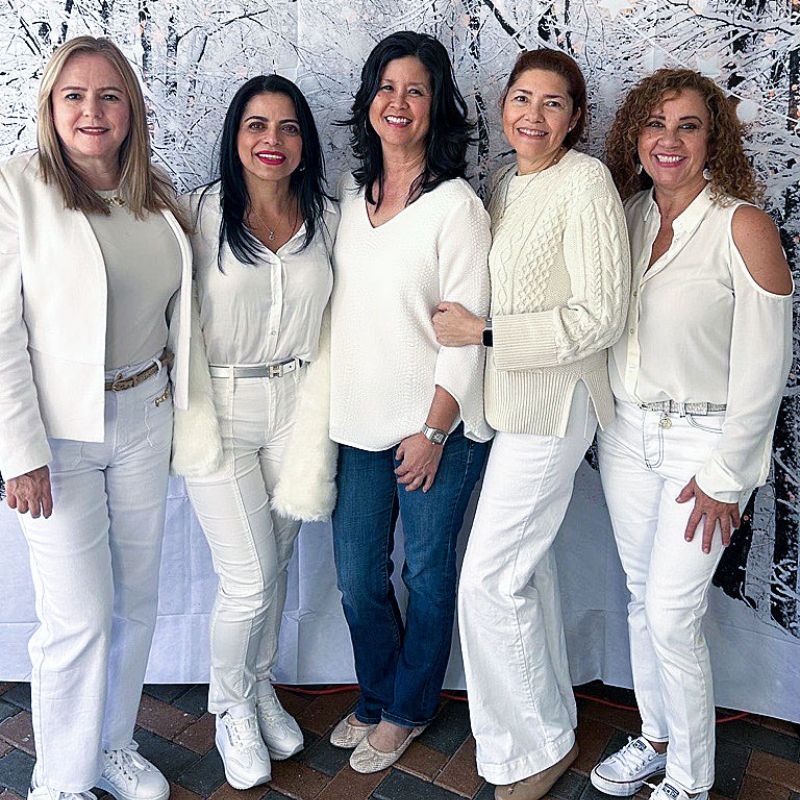
Mildred at a company Christmas Party with her fellow team members 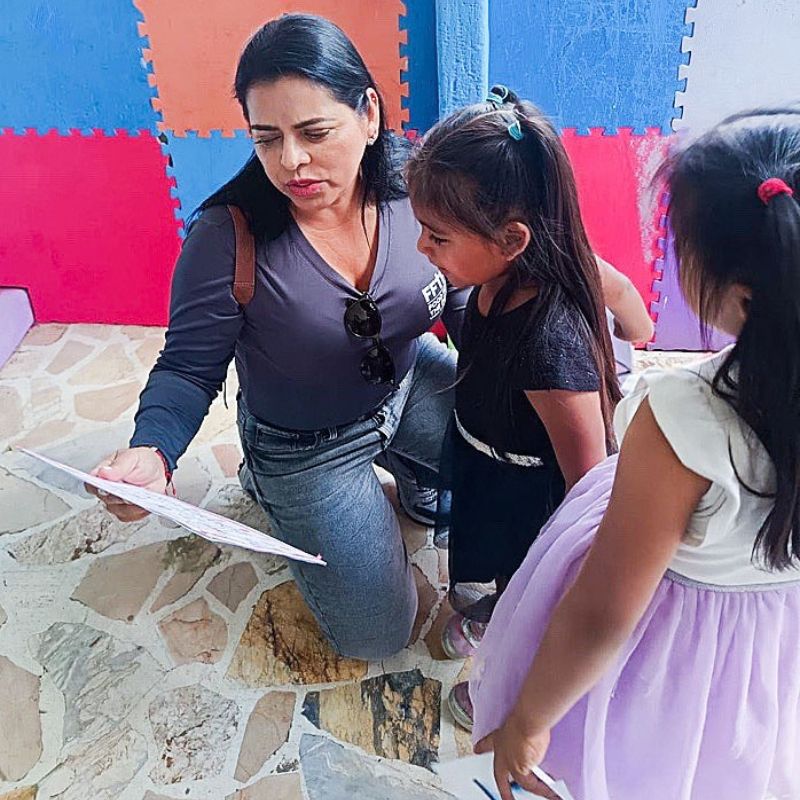
Mildred receives a message of gratitude from children at an Angels Of Hope home in Guatemala. Photo/Mildred Callejas 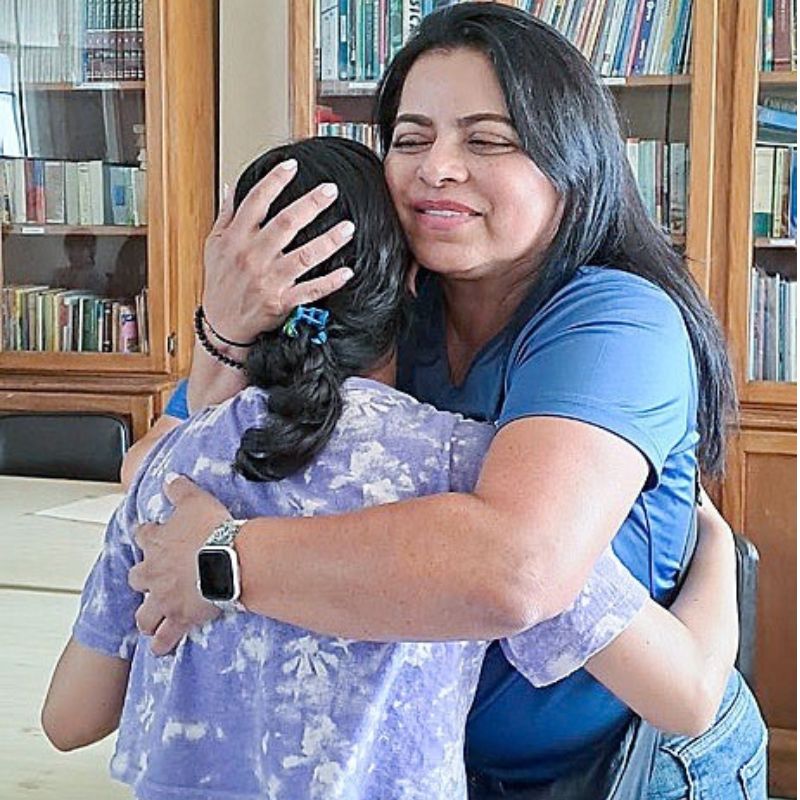
Mildred embraces Teresita, a resident of a home for children with special needs in Guatemala. Photo/Mildred Callejas 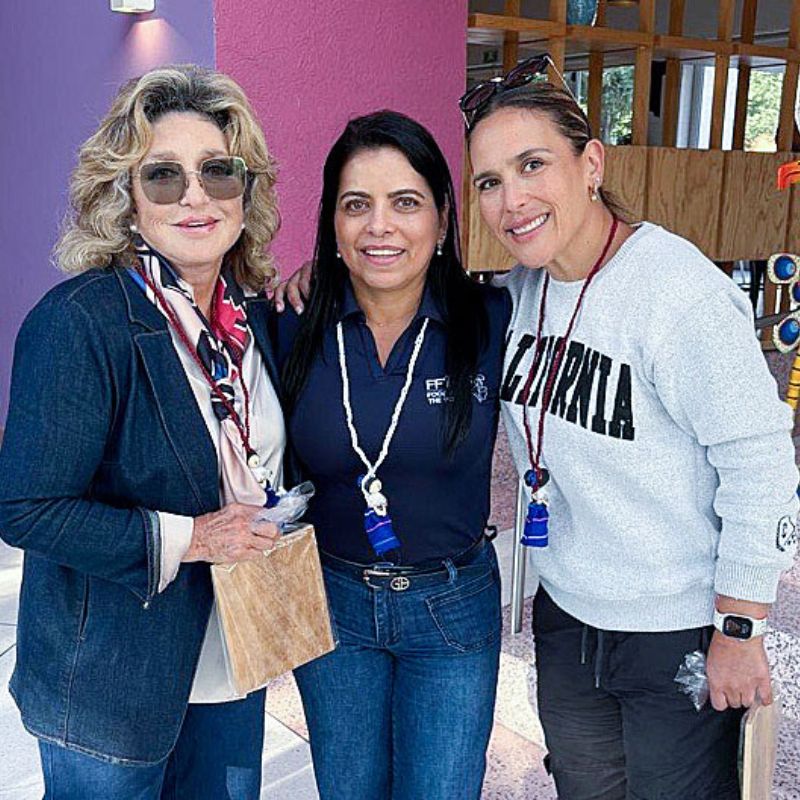
Mildred (center), with Angélica María (left) and her daughter Angélica Vale, beloved international celebrities and ambassadors for the sponsorship program. Photo/Mildred Callejas
Mildred’s connection to Colombia makes Food For The Poor’s work there especially meaningful to her. That connection was deepened in August, when a 7.4-magnitude earthquake struck Colombia.
She was conducting fieldwork at a children’s home in Honduras when news of the earthquake broke and she immediately called home. Mildred’s family was safe, but she was deeply saddened that many others suffered loss.
“It means a lot to me to know that Food For The Poor is helping families in Colombia after the earthquake,” she said. “This feels very personal to me. I’m grateful to be part of an organization that responds to people in need.”
Mildred also appreciates Food For The Poor for its annual Hispanic Heritage Month celebration, and she’s inspired by this year’s theme, “Together We are More/Juntos Somos Más.”
“Together, we can do much more than any of us could do alone,” she said. “Donors, volunteers, our teams, and our partners all bring something different, but we share the same purpose – helping people who need hope and an opportunity for a better future.”
Called to Serve: Working with Food For The Poor, Jessica Jimenez Helps Families in Guatemala Thrive
For Jessica Jimenez, serving as the Food For The Poor country program manager in Guatemala is more than a career opportunity, it’s a chance to use her experience to help people in her homeland build brighter futures.
“I can bring the international experience that I had before joining Food For The Poor and create greater impact,” she said. “When I go to these communities, I find enormous potential, knowledge, determination, and resilience, and that’s what I love.”
Before joining Food For The Poor in August 2025, Jessica had spent more than 18 years in international development, including a decade with USAID-funded programs. She worked in Guatemala, Latin America, Africa and Asia, including a year in Pakistan.
As she advanced into leadership roles, however, her work became less directly connected to communities. The birth of her daughter also prompted her to reflect on what mattered most.
When the USAID program ended abruptly, she had a three-month break that gave her time to consider what she wanted to do next.
“I had been with USAID for 10 years, and when everything ended, I had to stop and ask myself, ‘What am I really good at? What do I do now with my life?’” she said. “I asked God to guide me, to send me where He needed me.”
That prayer led her to a LinkedIn post for a position with Food For The Poor, where she met all the qualifications except one – the job was based in Honduras, and Jessica was in Guatemala. Still, she was motivated to check the job posting frequently and, ultimately, the position was updated and changed to Guatemala.
“For me, that was God giving me what I need right now in my life,” she said. “Through my work, I can help families have a more prosperous life, and that’s how I decided – or God decided for me – to work at Food For The Poor.”
Jessica is happy to be working in Guatemala, where despite being one of the largest economies in Central America, many families lack access to safe water, adequate housing, healthcare, nutritious food, and education.
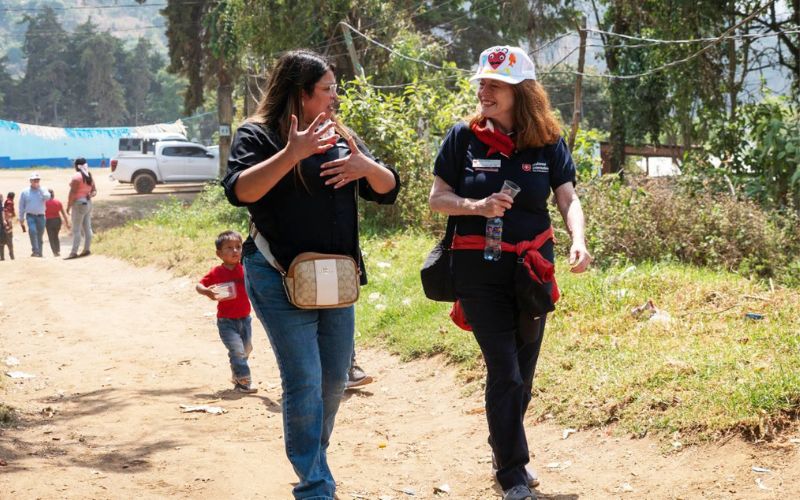
As the country program manager, Jessica works closely with Food For The Poor staff, donors and in-country partners, ensuring that projects are implemented properly to help children and families in need. Field visits with families who are grateful to have a new home and access to water and other resources are wonderful, she said, but the intrinsic impact of her work is also inspiring.
“They are happy to receive a new home or water, but that doesn’t compare to what you see in their eyes when we visit,” she said. “They feel they matter, and they feel they are not alone. I see hope in their eyes.”
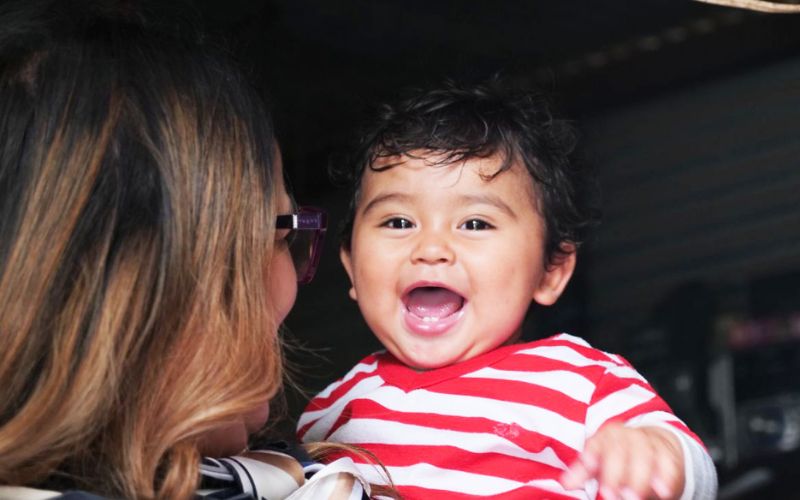
Those moments remind Jessica of how blessed she is in her own life with her husband, Mynor, and their 3-year-old daughter Samantha. Her gratitude extends to celebrating traditions that connect her family to their heritage.
One of her favorite family traditions is Semana Santa, Guatemala’s Holy Week, when families gather before dawn, create intricate carpets and join processions that celebrate their faith and community.
“The streets are filled with these processions, incense, music, and beautiful carpets,” she said, calling it a sacred time of reflection.

One of Jessica’s favorite family traditions is participating in Semana Santa, Guatemala’s Holy Week, when families gather before dawn, create intricate carpets like the one shown here, and join processions that celebrate their faith and community. Photo/Jessica Jimenez 
The women’s procession on Holy Thursday is one of the most solemn and vital days of Semana Santa in Guatemala. Celebrating Semana Santa, also known as Holy Week, is a sacred time of reflection and faith for Jessica. Photo/Jessica Jimenez 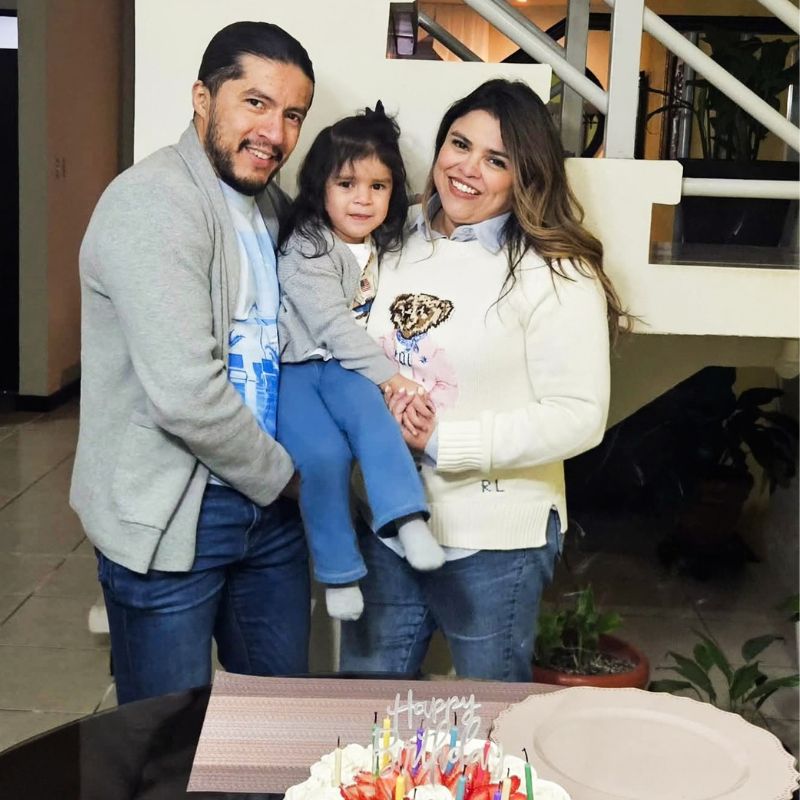
Jessica with her husband, Mynor, and their 3-year-old daughter, Samantha. Photo/Jessica Jimenez 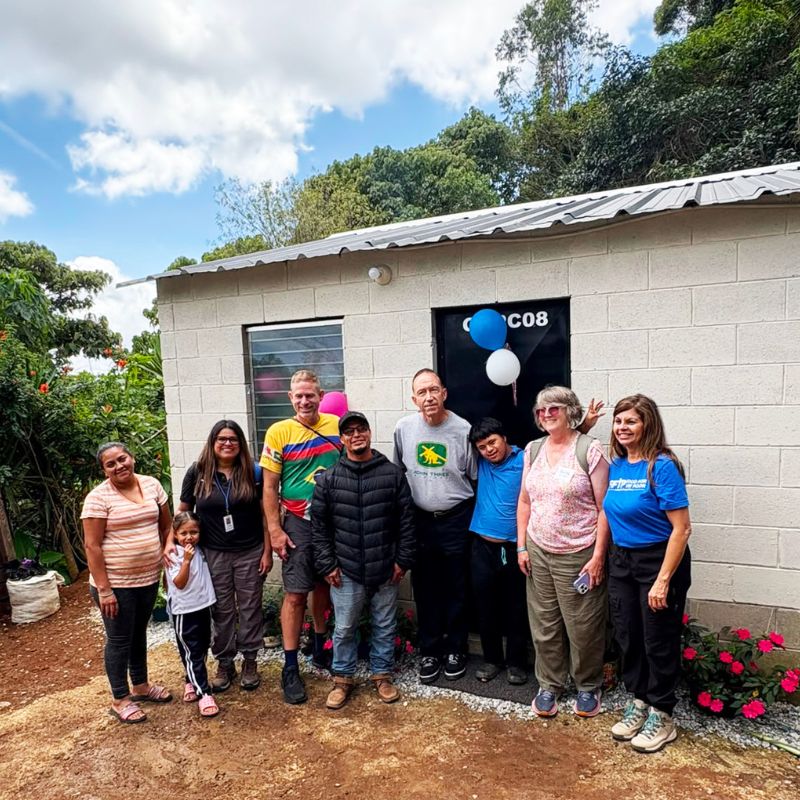
Jessica (third from the left) with a family who received a new home in Pie del Cerro, Guatemala. Photo/ Jessica Jimenez 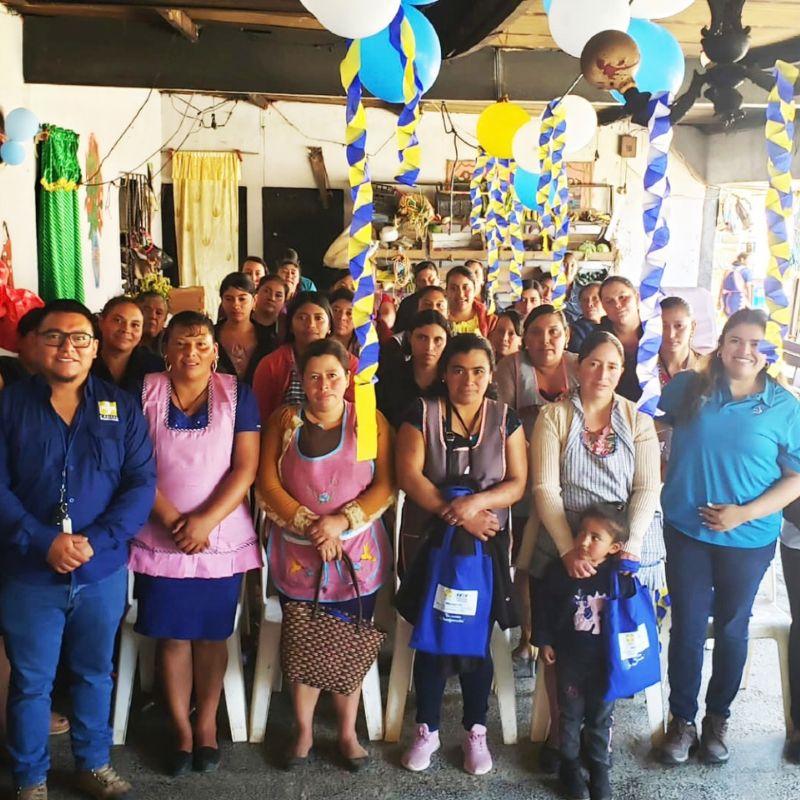
Jessica with a group of women in Primera Joya, who designed and presented a project proposal to improve the playground at a local school and raise funds for its implementation. Photo/Jessica Jimenez 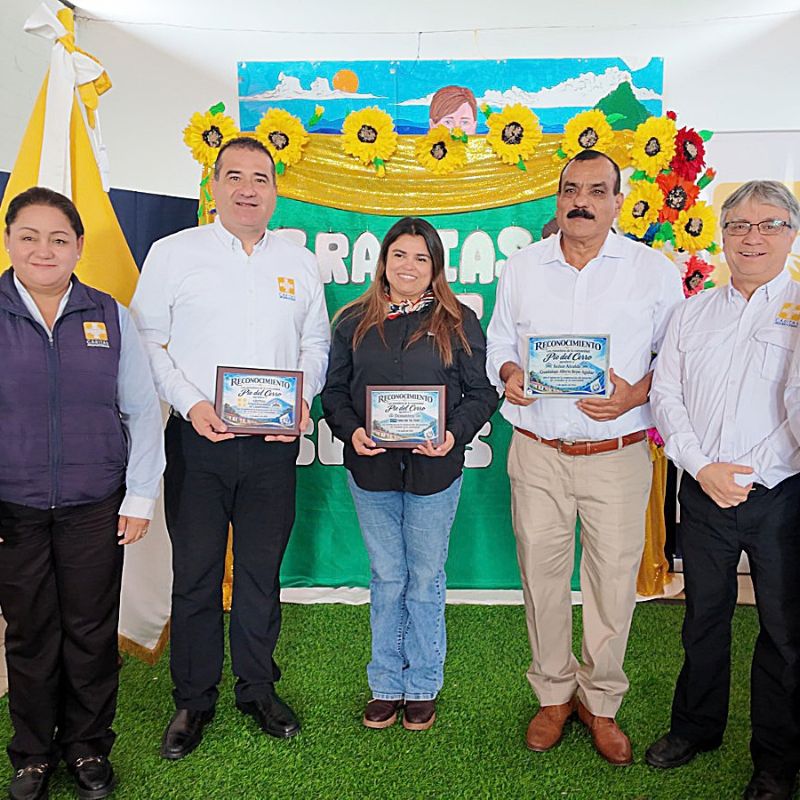
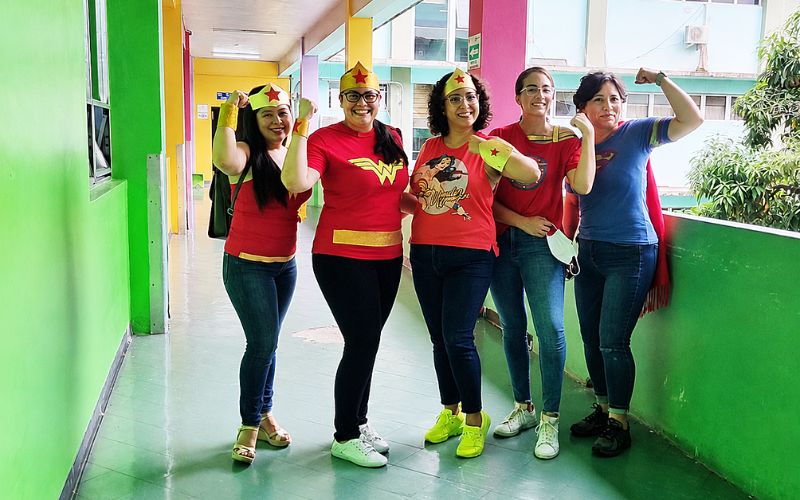
Jessica (third from left), was among a group recognized for their work in the community. Photo/Jessica Jimenez
For Jessica, this tradition mirrors Food For The Poor’s Hispanic Heritage Month theme, “Together We Are More/Juntos Somos Más.” Just as communities come together during Semana Santa, lasting change happens when donors, partners, and staff work together toward a common goal.
“Each one of us brings something different to the table,” she said. “No one single person can create lasting change alone. We need everyone. So, together we are more, and we can do more.”
From Data to a Deeper Purpose: Monica Ortiz Moreno Finds Fulfillment in the Mission
Growing up in Tegucigalpa, Honduras, Monica Ortiz Moreno knew poverty existed in her country.
Since she was a child, Monica has often joined her mother to collect school supplies and clothing and deliver them to children’s homes. As an adult, she’s also volunteered at Hospital Escuela and brought diapers, clothes and food to mothers who had just given birth – many of them teenagers with other children waiting at home. She frequently sees children and families seeking help on the streets.
Still, it wasn’t until she began working with Food For The Poor in January 2024 that she began to grasp the depth of the poverty that grips her country. Monica works remotely in Tegucigalpa, a four-hour drive from Food For The Poor’s Honduras office in San Pedro Sula. Her job requires collecting and analyzing data to support direct mail campaigns – ensuring that the right people receive the appropriate message based on their level and frequency of support.
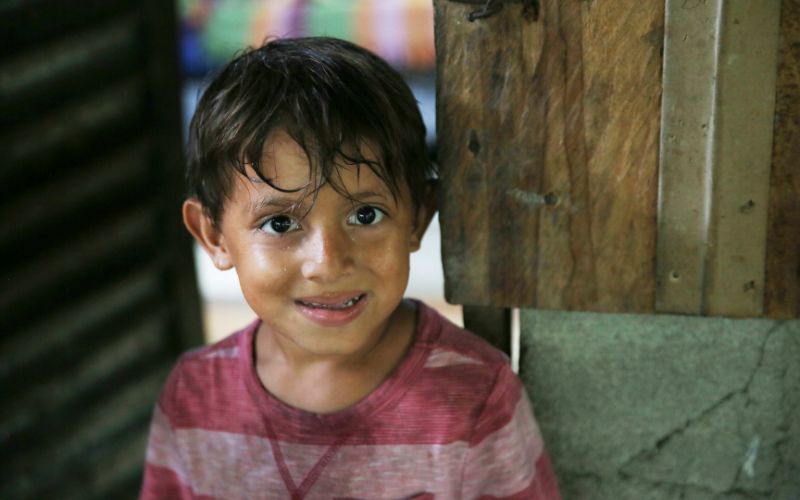
Food For The Poor’s fundraising campaigns often include stories of the children and families that the charity helps in Latin America and the Caribbean. Monica found one story, about a 7-year-old named Justin, especially touching.
After his father was killed in a motorcycle accident, Justin stepped into the void, quitting school and going to work to earn money to help his mother and their family. Seeing Justin’s face in a campaign photo and later learning his story in depth from a colleague who met him personally made an impact.
“She told me that his face is not like a child. He feels like he is the man of the house, that he needs to be in charge of his family, and he’s only 7 years old,” she said. “I already knew about the poverty in my country, but now, I have the face of Justin, and I can associate it with a family that needs help. It feels more personal.”
Before joining Food For The Poor, Monica already had a successful career in technology. She previously worked as a data specialist in the banking industry, a software architect, and most recently as a quality assurance analyst for a company that distributes educational software.
Searching for a new position as a data analyst, she found her sweet spot when she saw a Food For The Poor job posting on LinkedIn.
“I loved the idea of having a job with a greater purpose, knowing that what I do will contribute to helping others,” she said. “And it became even more meaningful when I realized that Honduras was one of the countries that Food For The Poor serves.”
Like many at Food For The Poor, Monica sees her work as more than a job.
“I always describe this as being able to see God’s hands through the generosity of others,” she said. “Every donation represents someone choosing to make a difference in another person’s life.”
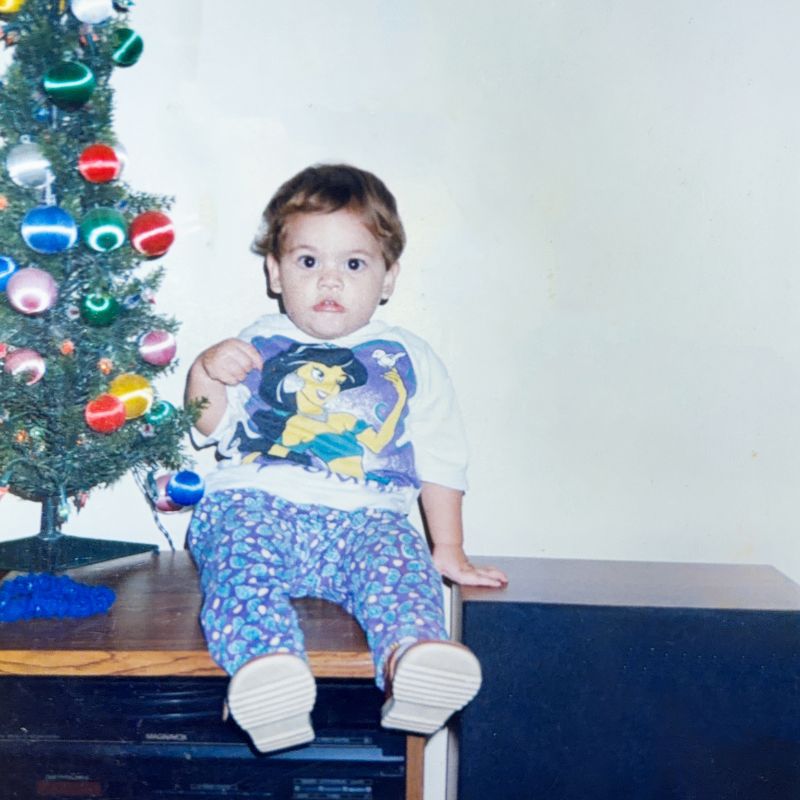
Monica Ortiz Moreno, a data analyst at Food For The Poor, shown here when she was almost two years old. Photo/Monica Ortiz Moreno 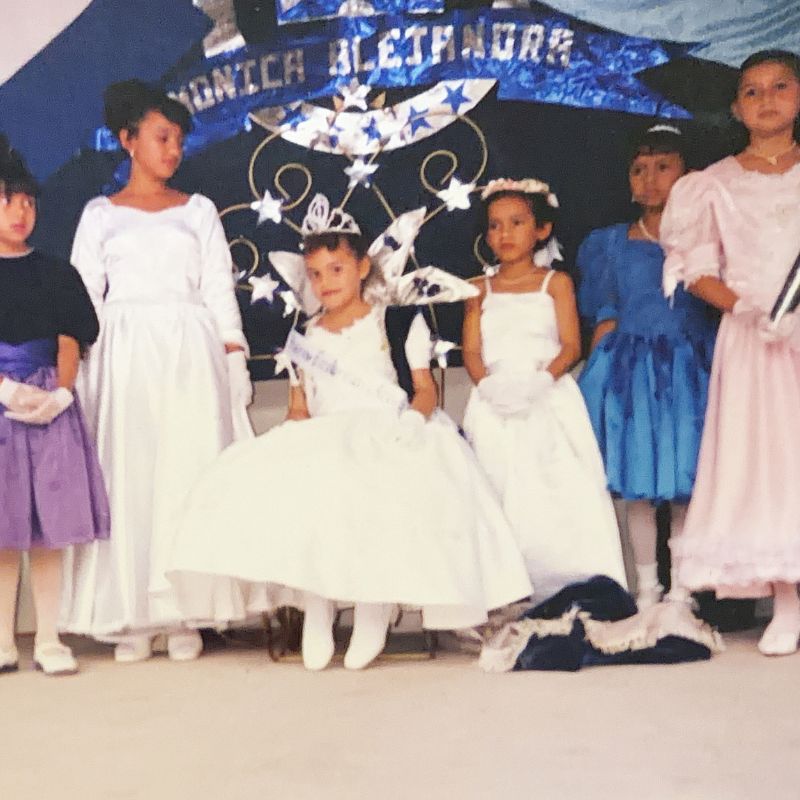
Monica Ortiz Moreno (center, wearing the crown), with fellow first-graders during a celebration to recognize students for their grades. That year, Monica had the best grades in the school and was granted the privilege of dressing like a queen. Photo/Monica Ortiz Moreno 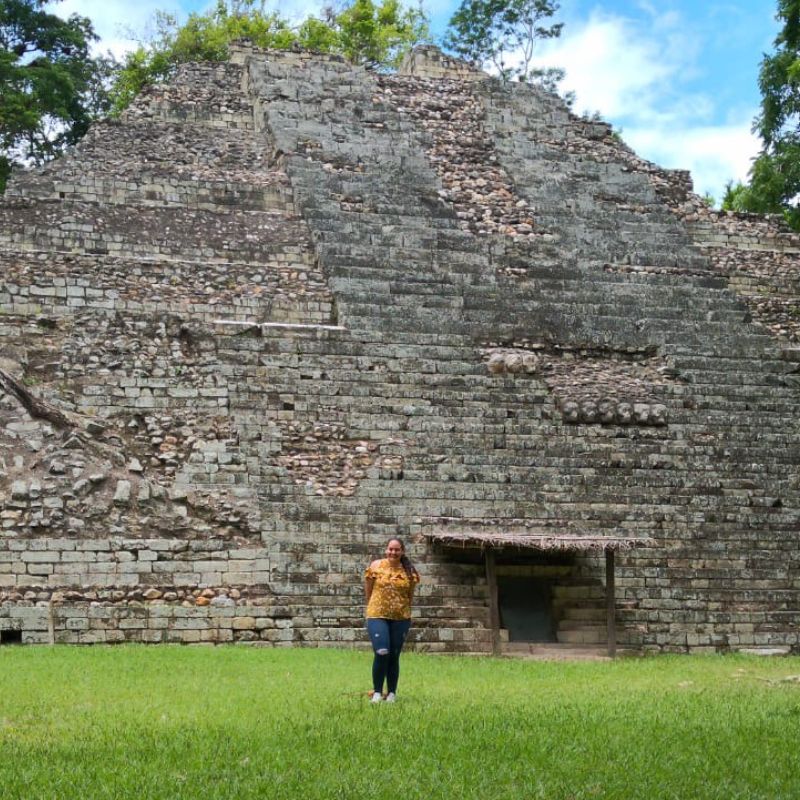
Monica Ortiz Moreno, a data analyst at Food For The Poor, standing in front of Copán Ruinas, one of the most popular tourist destinations in Honduras. Famous for its ancient ruins, the site was once an important Mayan city. Photo/Monica Ortiz Moreno 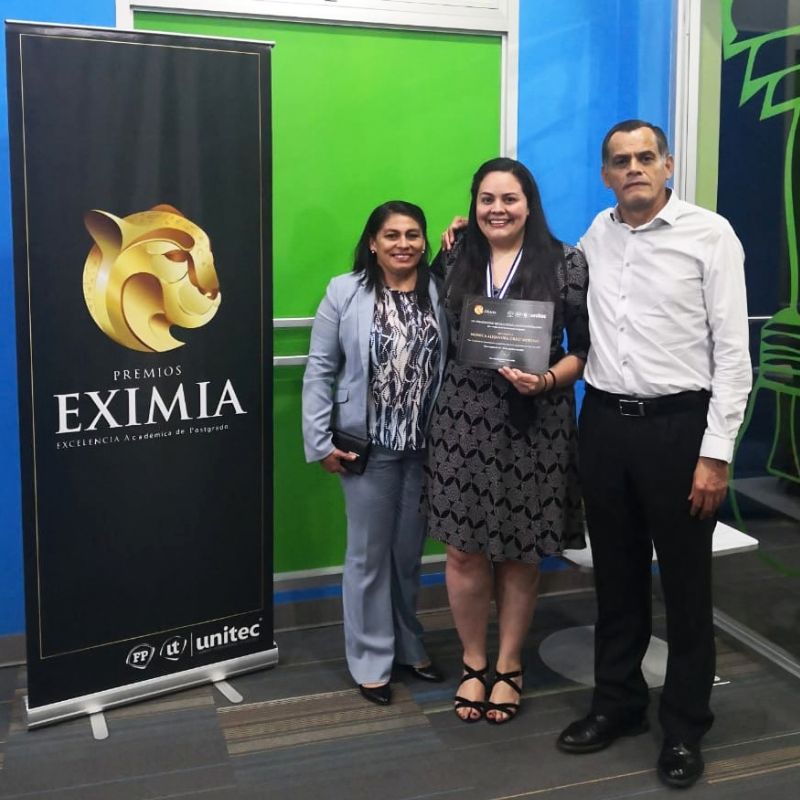
Monica Ortiz Moreno with her parents, Lizeth Moreno and Juan Ortiz, at an awards ceremony while she was studying for her master’s degree at Universidad Tecnológica Centroamericana. Photo/Monica Ortiz Moreno 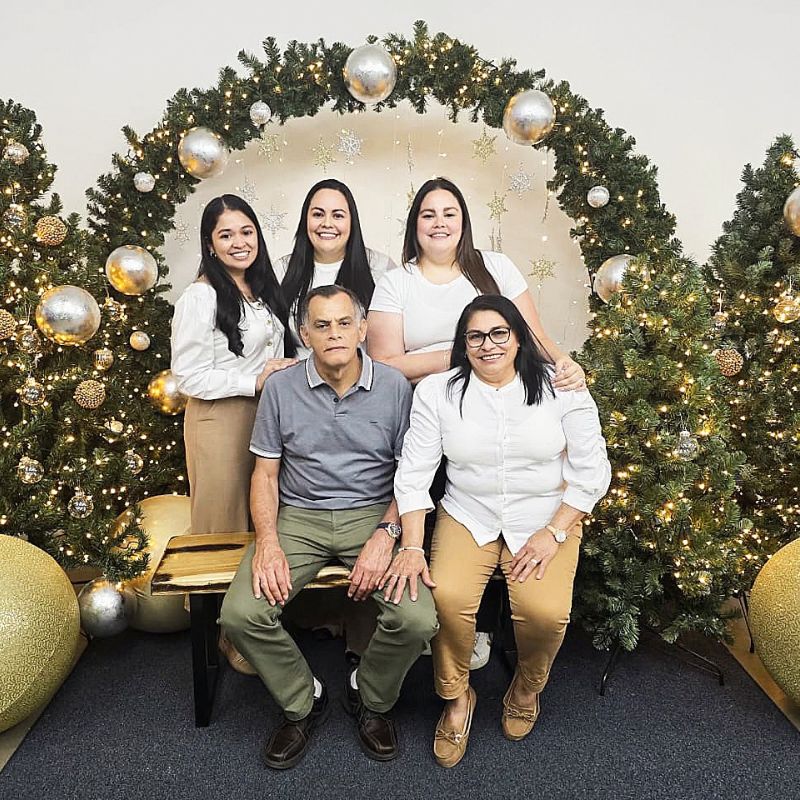
Monica Ortiz Moreno with her parents, Juan Ortiz and Lizeth Moreno, and her sisters Kenia (left) and Keyla Ortiz Moreno. Photo/Monica Ortiz Moreno
Even though her work is behind the scenes, Monica appreciates “Together We are More/Juntos Somos Más,” Food For The Poor’s theme this year for Hispanic Heritage Month.
“Sometimes, we as individuals feel like what we do is small,” she said. “But what each of us does becomes something much bigger when we work together.”