United In God's Work
-
 Donor Login
| -
 0
0 | 
| 
Donor Login
0
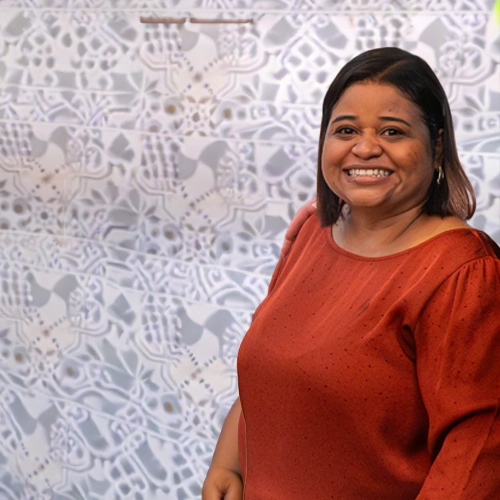
Dulmy's childhood was marked by abandonment, rejection, and abuse. At just four years old, her mother abandoned her, and her father rejected her because she reminded him of the woman who had left him. Feeling unwanted and invisible, she was raised by a caregiver who forced her to sell tortillas and bread instead of attending school, exposing her to child labor at an early age.
When Dulmy was ten, she and her sister returned to live with their father and stepmother, but life became even more difficult. Her stepmother subjected her to severe physical and emotional abuse, including biting, scratching, and constant mistreatment. A teacher eventually noticed the signs of abuse and reported the situation to the authorities. After discovering the report, Dulmy's father brutally beat her sister. Overwhelmed by fear, trauma, and despair, Dulmy attempted to take her own life, believing there was no escape from the violence.
Entering the Girls' Home marked a turning point in Dulmy's life. After years of abuse and neglect, she found the safety, stability, and love she had never experienced before. The home provided far more than shelter—it gave her emotional support, spiritual guidance, and access to education. With that foundation, she completed high school, began serving others through social work, and eventually pursued her dream of earning a university degree. Just as importantly, the counseling and mentorship she received helped her heal from years of trauma and find the strength to forgive her father and sister.




More than 4.7 Billion Meals

96,381 Safe & Secure Homes

105,415 Tractor-Trailers of Essential Aid
