How Food For The Poor and Water Mission Are Bringing Safe Water, Sanitation and Hope to Chiapas
Access to safe drinking water is one of the most powerful tools for transforming lives. Yet millions of families around the world still lack reliable water and sanitation systems, putting their health, education, and livelihoods at risk.
In rural Mexico, Food For The Poor (FFTP) is working with Water Mission to change that reality. Together, we are helping communities gain sustainable access to clean water, improved sanitation, and essential hygiene education, creating healthier futures for families who have long lived without these basic necessities.
Why Water, Sanitation and Hygiene Matter in Mexico
Clean water and proper sanitation are the foundation of healthy communities. Without them, families face increased exposure to waterborne diseases that can threaten lives and keep children from attending school.
In many rural areas, water sources can become contaminated by environmental factors, animals, or poor sanitation practices. When safe drinking water is unavailable, families often have no choice but to rely on unsafe sources, putting their health at constant risk.
The lack of sanitation infrastructure compounds the problem. Without proper facilities, communities face higher risks of contamination and illness, especially among children.
Reliable access to clean water and improved sanitation transforms daily life. It protects families from preventable disease, reduces the burden on healthcare systems, and allows children to focus on learning instead of illness. It also strengthens food security and supports economic stability for families striving to overcome poverty.
That is why Water, Sanitation and Hygiene (WASH) programs remain a vital part of Food For The Poor’s mission and its partnership with Water Mission to help communities break the cycle of poverty.
How Food For The Poor and Water Mission Meet Needs and Nourish Lives
Food For The Poor partners with trusted organizations like Water Mission to deliver sustainable water solutions that communities can rely on for years to come.
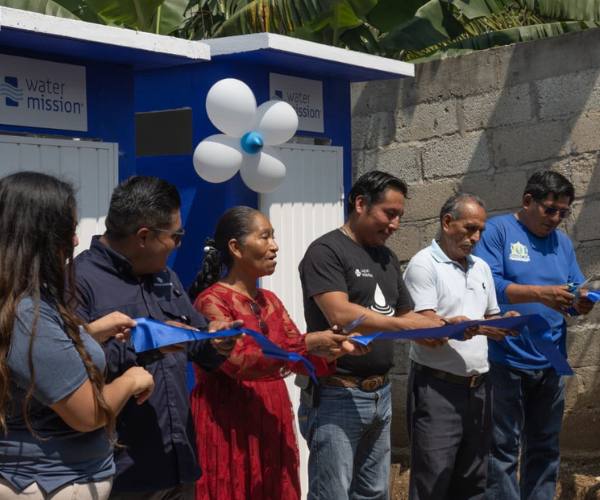
In the rural community of Ignacio Zaragoza in Chiapas, Mexico, this partnership is helping build a water treatment system designed to serve hundreds of families.
The project includes:
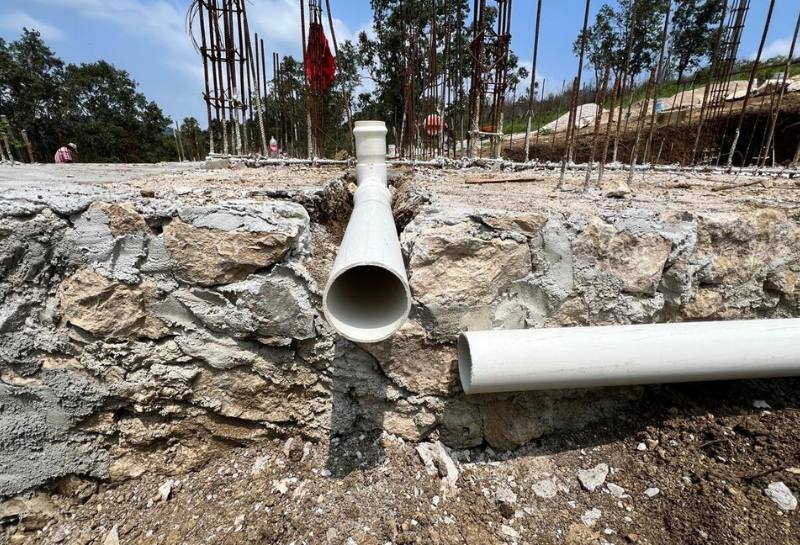
• Construction of a treatment facility with a flocculation tank. This helps tiny particles stick together so they can be removed from water.
• Construction of the filtration treatment building.
• Solar-powered components that will help deliver clean water directly to homes.
“This community has had access to water from a mountain source for years, but testing showed it was contaminated and contributing to illness among families,” said Kevin Herr, Latin America Program Manager for Water Mission. “Through our partnership with Food For The Poor, we are installing a treatment system powered by solar energy that will allow safe water to flow directly to homes for the first time. We’re excited to see the difference this will make for the health and well-being of the community.”
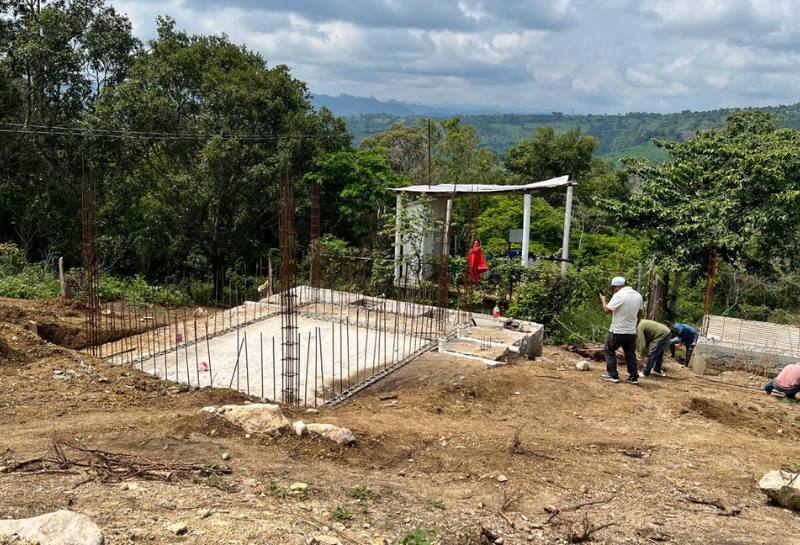
Once completed, the system will provide drinking water to more than 600 households, along with a health clinic, three schools, and several churches. These improvements will help ensure that families, patients, and students have access to water that is safe for drinking, cooking, and everyday use.
Sanitation improvements are already making a difference. Families have received newly constructed latrines, helping reduce contamination risks and improve hygiene conditions across the area.
But infrastructure alone is not enough. For water systems to succeed long term, communities must also have the knowledge and leadership to manage them.
That is why training and education are central to this project.
Community members participate in WASH education sessions that teach the importance of hygiene, water protection, and sanitation practices. Local leaders also serve on a Safe Water Committee, receiving training on system management, financial transparency, and long-term maintenance.
By combining infrastructure with community training, the project helps ensure the system remains sustainable and reliable for years to come.
Building a Sustainable Future for the Community
The community of Ignacio Zaragoza has waited many years for improved water access. Today, local leaders, residents, and project partners are working together to make that vision a reality.
Community leaders have taken an active role in planning for the system’s future. Through leadership training programs, they have developed sustainability plans and community savings strategies to ensure the water system can be maintained and repaired when needed.
Education programs are also helping residents understand how water becomes contaminated and how simple hygiene practices can protect families from illness.
This combination of infrastructure, leadership training, and community ownership creates a model designed not only to deliver water, but to sustain it.

How Donors Make Clean Water Possible
None of this work would be possible without the generosity of Food For The Poor supporters.
Donors play a critical role in bringing clean water, sanitation systems, and hygiene education to communities that have long lacked these resources. Your compassion helps protect children from preventable disease and strengthens communities striving to build a better future.
Access to clean water changes everything. It improves health, strengthens education, and empowers families to pursue opportunities that were once out of reach.
Through partnerships like the one between Food For The Poor and Water Mission, and through the generosity of donors, families across Latin America and the Caribbean are gaining access to life’s most essential resource.
Help Create Waves of Change
Safe water saves lives and builds stronger communities.
You can help Food For The Poor continue expanding access to clean water, sanitation, and hygiene solutions for families who need it most.
Learn more about how you can make a difference by visiting foodforthepoor.org and join the effort to bring clean water and lasting hope to communities around the world.