United In God's Work
-
 Donor Login
| -
 0
| 
| 
Donor Login
0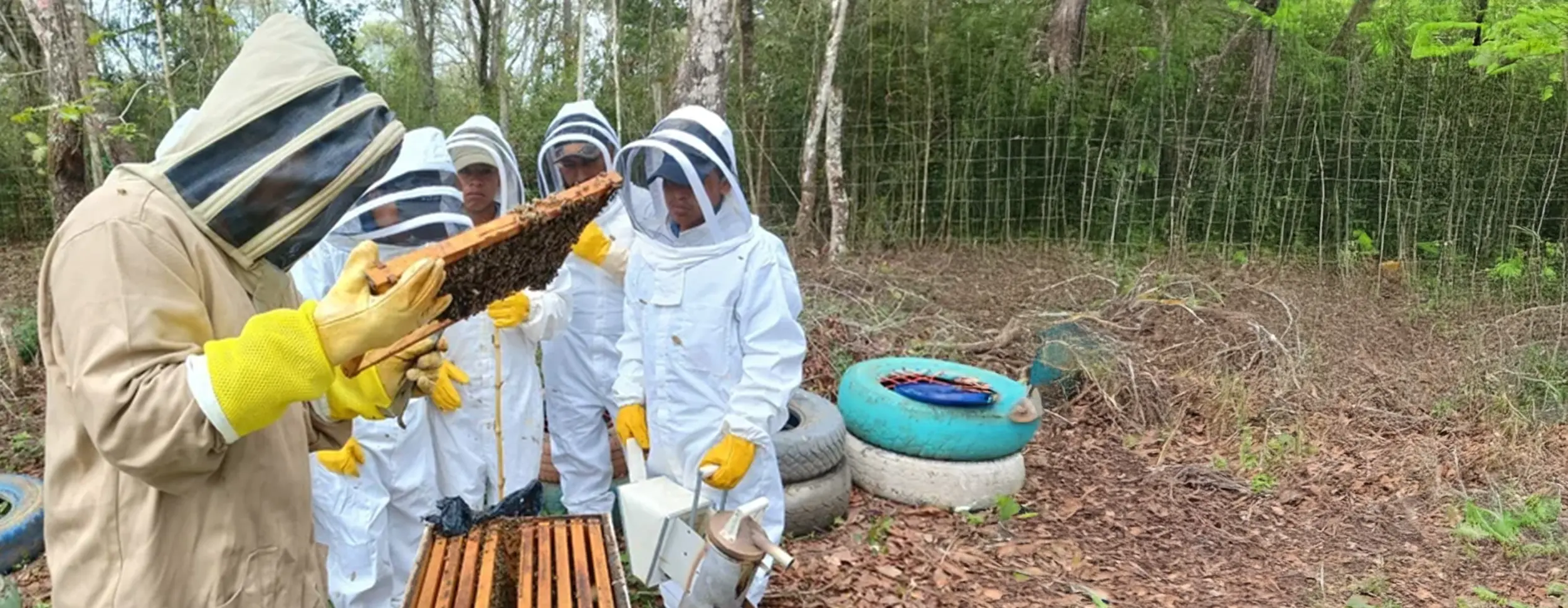
In rural Latin America and the Caribbean, limited job markets are a major driver of persistent poverty. With few industries beyond agriculture, economic opportunities remain scarce and unstable. Smallholder farmers and rural workers often face low wages, seasonal day labor, and exposure to climate change and market volatility. The absence of diverse employment options forces many to rely on informal work with little security or income.
Lack of vocational training and education tailored to rural needs further restricts opportunities—especially for youth—pushing many to migrate to overcrowded urban areas in search of work, where conditions are often just as precarious. Women and Indigenous communities face even steeper barriers to employment, deepening inequality and marginalization. Without targeted investment in rural industries, entrepreneurship, and skill development, the cycle of poverty continues—leaving entire communities without sustainable livelihoods or hope for economic stability.
Economic empowerment is not just a poverty solution—it is a pathway to peace and stability. By addressing the root causes of insecurity—poverty, exclusion, and lack of opportunity—economic inclusion reduces violence and builds stronger, more resilient communities. When individuals, especially youth and marginalized groups, gain access to jobs, land, credit, or entrepreneurship, they are far less likely to engage in crime or unrest. Empowerment fosters hope, reinforces community ties, and builds trust in institutions, creating a foundation for lasting social cohesion and peace.
Economic empowerment is a crucial strategy for helping individuals and communities in rural Latin America escape poverty. It's a multifaceted process that aims to increase people's capacity to participate in, contribute to, and benefit from economic activities. Here's a breakdown of how economic empowerment works as a pathway out of poverty in rural Latin America:
Economic empowerment is a critical pathway out of poverty and a powerful tool for breaking the cycle of generational poverty. When individuals—especially women and marginalized communities—gain access to income opportunities, financial resources, education, and market participation, they are better equipped to provide for their families, invest in their children’s futures, and contribute to local economies.
By shifting from dependency to self-sufficiency, economic empowerment fosters resilience and long-term stability. It enables people to build assets, improve their standard of living, and create generational wealth that can uplift entire communities. Breaking the chains of generational poverty requires more than short-term aid; it demands sustainable solutions that empower individuals with the tools, skills, and opportunities to thrive for generations to come.
From Seeds To Market is a grassroots initiative in partnership with Acceso, dedicated to empowering rural smallholder farmers and food service workers while addressing hunger through sustainable agriculture in Haiti and El Salvador. The program provides families in need with seeds, tools, training, and access to markets—helping them grow their own food, expand production, and achieve self-reliance. Every seed planted is a step toward a brighter, more sustainable future—turning every seed into a smile.
Food For The Poor’s Empowering Women Through Sewing Project is a transformative initiative aimed at helping women from underserved communities in Guatemala and Honduras achieve sustainable livelihoods. At dedicated training centers, participants develop skills in sewing and craftsmanship, learning to produce high-quality handbags and other handmade goods that offer a pathway to financial independence.
In collaboration with Mercado Global, this effort expands to connect Indigenous women artisans with international markets and renowned fashion brands. Through technical training and strategic partnerships with companies like Stuart Weitzman, Mara Hoffman, and Levi Strauss & Co., artisans enhance their weaving and sewing abilities, contributing to the creation of sustainable, ethical fashion—including zero-waste denim collections.
Mercado Global’s grassroots approach equips women with the education, tools, and access needed to launch their own businesses, uplift their communities, and emerge as leaders. As a result, participating women often experience significant increases in income, creating ripple effects of economic empowerment and poverty reduction throughout their regions.
Food For The Poor has launched beekeeping initiatives in countries such as Jamaica, Honduras, and Saint Lucia as part of its commitment to sustainable development and economic self-sufficiency in underserved communities. These programs equip participants with training, tools, and beehives, empowering them to produce and sell honey and other bee-derived products. In addition to providing a steady income stream, the initiative also promotes environmental sustainability through pollination.
In Jamaica, Food For The Poor donors have supported the development of bee farms by providing local farmers with the resources and knowledge necessary for successful beekeeping. This initiative offers a long-term, sustainable solution to poverty, enabling individuals to improve their economic conditions and strengthen their communities.
In Honduras, Food For The Poor's beekeeping efforts align with the United Nations Sustainable Development Goals, addressing poverty, hunger, and the need for inclusive economic growth. Many small-scale farmers have embraced beekeeping as a viable livelihood, generating income that helps support their families and fund their children’s education.
One of the standout projects in Honduras is the Colinas Beekeeping Association (APICOL)—a collaborative effort between Food For The Poor, CEPUDO, and Heifer International. Through this initiative, farmers receive essential equipment, honeybee colonies, and ongoing mentorship. The project has been so successful that participants have formed a cooperative shop, further expanding their income opportunities and building community resilience.
In Saint Lucia, Food For The Poor supports beekeeping as part of broader self-sustaining micro-enterprise initiatives, aimed at empowering local communities through skills training and entrepreneurship. These efforts not only uplift individuals economically but also contribute to the long-term development and well-being of entire regions.
By investing in beekeeping, Food For The Poor is creating practical, sustainable pathways out of poverty—transforming lives, fostering resilience.
Food For The Poor has implemented tilapia farming initiatives across several Latin American countries, including Guatemala, Honduras, and the Dominican Republic, to combat hunger and promote economic self-sufficiency in impoverished communities. These sustainable aquaculture projects provide communities with the resources and training necessary to cultivate tilapia, offering both a reliable source of nutrition and a viable means of income.
Guatemala: In regions like El Tabacal, Food For The Poor has established multi-pond tilapia farms in collaboration with partners such as the Taiwan International Cooperation and Development Fund (ICDF). These projects have transformed local residents from day laborers into professional aquaculturists and business owners, enhancing food security and creating employment opportunities. The availability of fresh tilapia has improved nutrition and reduced malnutrition risks, while the income generated has contributed to economic stability within the community.
Honduras: Food For The Poor, alongside ICDF and local partner CEPUDO, has inaugurated tilapia farms such as the Genesis Tilapia and Shrimp Farm and the Maranatha Tilapia Ponds Project in Omoa. These projects not only provide economic benefits to participating families but also contribute to the nutritional intake of surrounding communities. The Genesis farm, for instance, consists of six ponds benefiting 27 families, while the Maranatha project includes three ponds supporting the local community and aiding feeding programs conducted at local churches.
Dominican Republic: In collaboration with ICDF, Food For The Poor launched the La Siembra Vieja Tilapia Project, a multi-pond fish farming initiative aimed at enhancing food production. This project not only addresses food insecurity but also promotes economic sustainability by providing a marketable product. Additionally, the initiative includes the provision of homes, latrines, water supply, educational facilities, and a multi-purpose clinic, contributing to comprehensive community development.
A Mercado Global handbag isn’t just an accessory—it’s a meaningful gift that represents hope and resilience. When you shop on our website you're making the statement that poverty isn't inevitable.
Every purchase helps create a stable economic environment within impoverished communities, which can lead to food security and reduce dependency on aid. It’s an investment in breaking the cycle of poverty through fair trade practices that uplift entire communities.
Each handbag is a unique piece of art, handcrafted by skilled artisans who draw on traditional techniques passed down through generations. This supports cultural preservation while giving artisans a source of pride and financial independence.

The Zulma Duffle Bag is your ultimate grab-and-go weekender—crafted from 100% handwoven fabric with a bold, striped design and finished with functional, thoughtful details. With a spacious cotton-lined interior, this duffle includes 2 interior slip pockets to keep small essentials organized, plus an exterior zippered pocket for quick access items.
Price: $128

The Magali Tote blends structured elegance with everyday function. Handcrafted from 100% handwoven fabric and fully lined with soft cotton, this tote is designed to move seamlessly from workdays to weekends. Its defining feature—hand-embroidered leather handles—adds artisanal detail and long-wear durability.
Price: $118

A Mercado Global favorite, the Mini Lorena Backpack combines playful design with everyday functionality. Handcrafted from 100% handwoven fabric and lined in soft cotton, it features adjustable leather shoulder straps for a comfortable fit and a leather zipper pull for added durability.
Price: $108
Handbags are ethically crafted, prioritizing fair labor practices and sustainable production. With each purchase, you’re helping prove that we can tackle poverty through sustainable community development.
Buying a Mercado Global handbag provides sustainable income for artisans in marginalized communities, directly helping them support their families. By working part-time, artisans can make up to $8 a day, which is enough to lift themselves out of poverty over the course of a few months of engagement.
By shopping with us, you’re supporting a test initiative designed to demonstrate that we can build a sustainable, closed-loop system between our micro-enterprise programs and an online marketplace. If the test is sucessful we'll be able to scale up our programs.

COCONUT CREEK, Fla. (March 6, 2026) – As the global community observes International Women’s Day on March 8, Food For...
Read More →
COCONUT CREEK, Fla. (Nov. 11, 2021) Seven women who are among the 15 graduates of a driving school in Honduras...
Read More →
COCONUT CREEK, Fla. (Oct. 2, 2025) – As a child in San Lucas, Guatemala, Cristina received her first traditional huipil...
Read More →There is a vast body of academic literature evaluating economic empowerment, particularly in the context of poverty alleviation and sustainable development. Scholars often draw from conceptual frameworks like that of Naila Kabeer, who defines empowerment through the interplay of resources, agency, and achievements. Studies assess economic empowerment using both quantitative indicators—such as income generation, asset ownership, and access to financial services—and qualitative measures like autonomy and decision-making power. A significant focus is placed on women's economic empowerment (WEE), with research highlighting how financial inclusion, vocational training, and entrepreneurship can lead to improved social outcomes, including better education and health for families. Evaluations frequently employ methods like randomized controlled trials (RCTs), longitudinal studies, and mixed-methods approaches to measure program impacts.




More than 4.7 Billion Meals

96,381 Safe & Secure Homes

105,415 Tractor-Trailers of Essential Aid